


Home
Zeitgeist - How Ideas Travel: Politics, Culture and the Public Age of Revolution
Barnes and Noble
Loading Inventory...
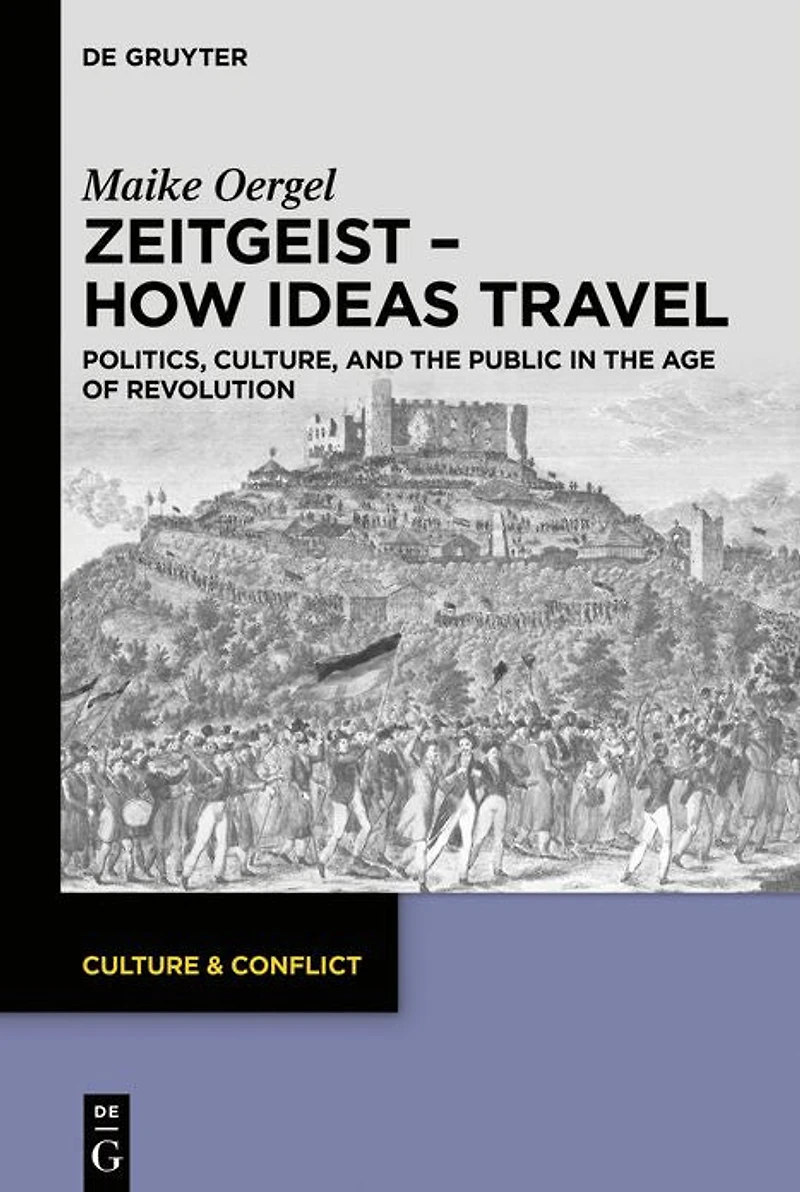
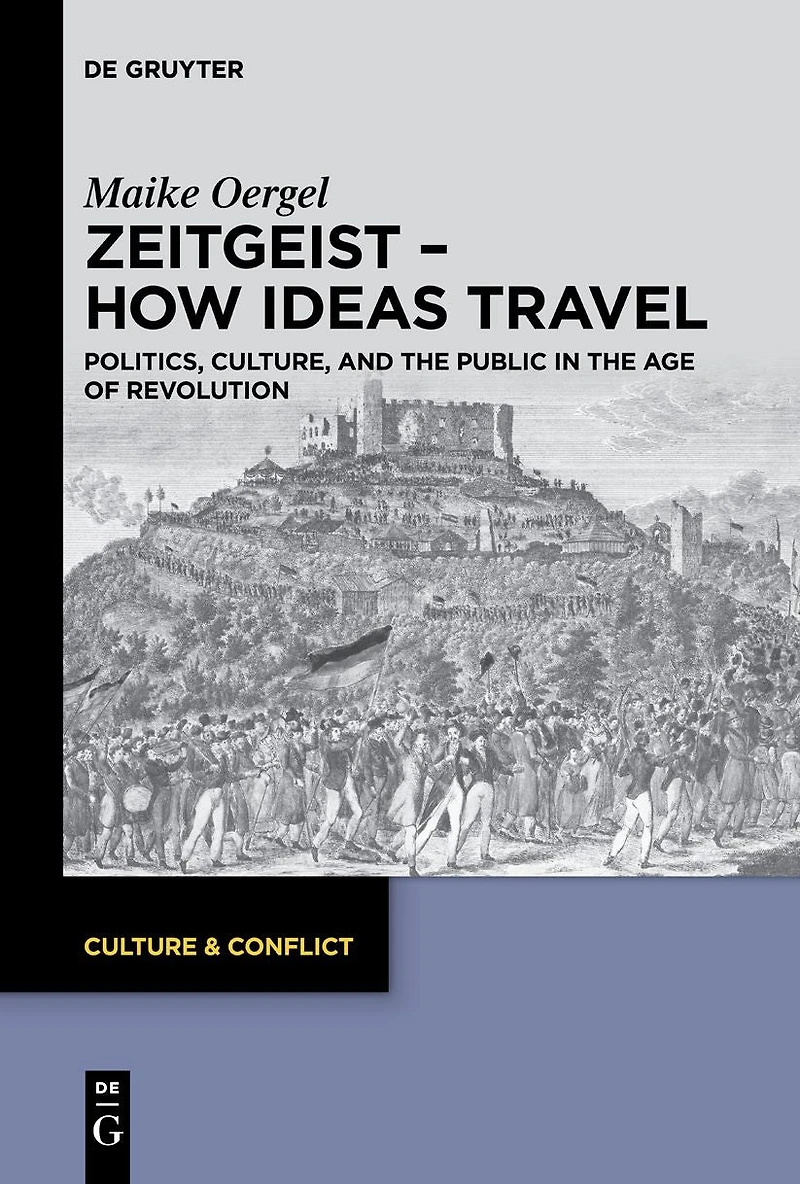
Zeitgeist - How Ideas Travel: Politics, Culture and the Public Age of Revolution in Bloomington, MN
By Barnes & Noble
Current price: $139.99

Zeitgeist - How Ideas Travel: Politics, Culture and the Public Age of Revolution in Bloomington, MN
Current price: $139.99
Loading Inventory...
Size: EBook
This book investigates the emergence of the modern concept of zeitgeist, the notion of a pervasive contemporary coherence, in the late 18th century. It traces zeitgeist’s descent from genius saeculi and investigates its association with public spirit and public opinion before surveying its prominence around the Wars of Liberation in Germany and during the politically restless 1820s in England. This trajectory shows that zeitgeist emerged from the 18th-century discourses about culture and the public functioning of social collectives. Under the impact of the French Revolution the term came to describe social processes of political and cultural challenge. Zeitgeist was discussed as a social dynamic in which emerging elites disseminate new ideas which find enough public approval to influence cultural and political behaviour and practice. These findings modify the view that zeitgeist eludes critical grasp and is mainly invoked for manipulative purposes by showing that the zeitgeist discussions around 1800 contributed to the formation of modern politics and capture key aspects of how ideas are disseminated within societies and across borders, providing a way of reading history horizontally.
This book investigates the emergence of the modern concept of zeitgeist, the notion of a pervasive contemporary coherence, in the late 18th century. It traces zeitgeist’s descent from genius saeculi and investigates its association with public spirit and public opinion before surveying its prominence around the Wars of Liberation in Germany and during the politically restless 1820s in England. This trajectory shows that zeitgeist emerged from the 18th-century discourses about culture and the public functioning of social collectives. Under the impact of the French Revolution the term came to describe social processes of political and cultural challenge. Zeitgeist was discussed as a social dynamic in which emerging elites disseminate new ideas which find enough public approval to influence cultural and political behaviour and practice. These findings modify the view that zeitgeist eludes critical grasp and is mainly invoked for manipulative purposes by showing that the zeitgeist discussions around 1800 contributed to the formation of modern politics and capture key aspects of how ideas are disseminated within societies and across borders, providing a way of reading history horizontally.
Shop Similar Products











Find at Mall of America® in Bloomington, MN
Visit at Mall of America® in Bloomington, MN