


Home
You Can't Padlock an Idea: Rhetorical Education at the Highlander Folk School, 1932-1961
Barnes and Noble
Loading Inventory...
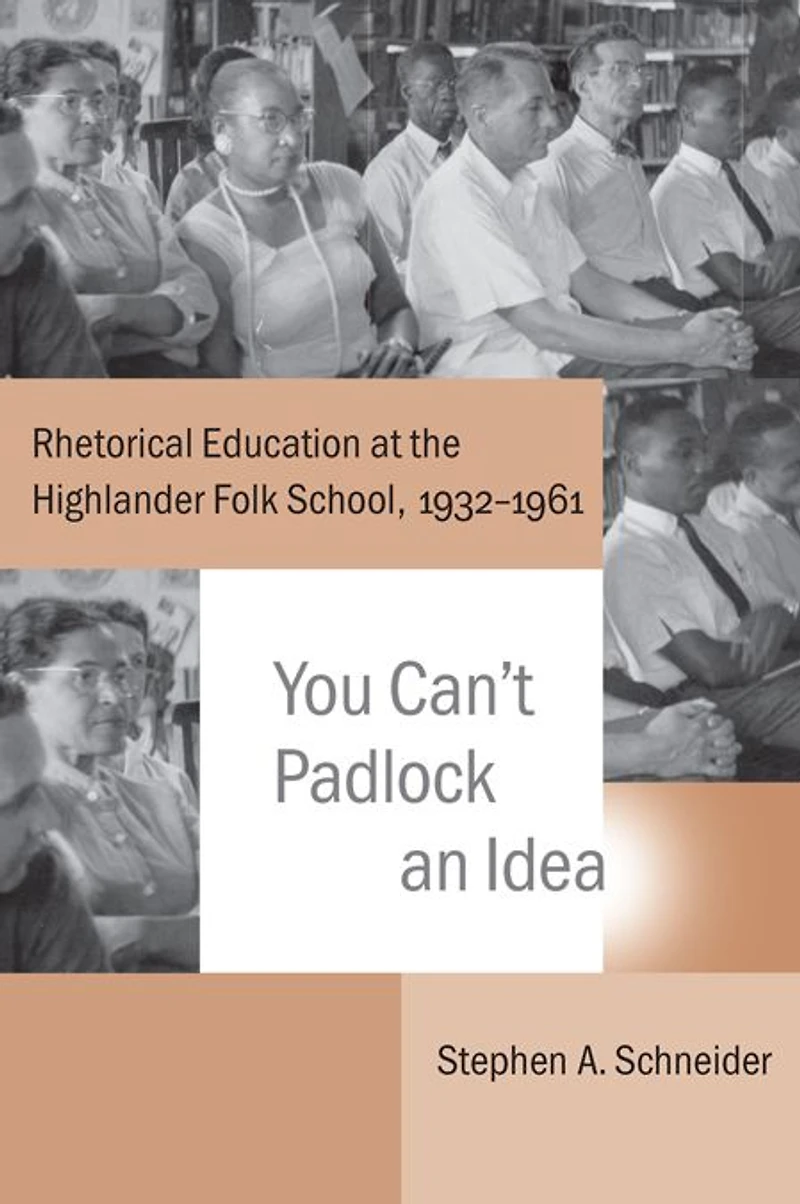
You Can't Padlock an Idea: Rhetorical Education at the Highlander Folk School, 1932-1961 in Bloomington, MN
By Barnes & Noble
Current price: $44.99

You Can't Padlock an Idea: Rhetorical Education at the Highlander Folk School, 1932-1961 in Bloomington, MN
Current price: $44.99
Loading Inventory...
Size: EBook
An examination of the rhetorical practices used at the Highlander Folk School to advance democratic social changeYou Can't Padlock an Idea examines the educational programs undertaken at the Highlander Folk School in Tennessee and looks specifically at how these programs functioned rhetorically to promote democratic social change. Founded in 1932 by educator Myles Horton, the Highlander Folk School sought to address the economic and political problems facing communities in Appalachian Tennessee and other southern states. To this end Horton and the school's staff involved themselves in the labor and civil rights disputes that emerged across the south over the next three decades.Drawing on the Highlander archives housed at the Wisconsin Historical Society, the Avery Research Center in South Carolina, and the Highlander Research and Education Center in Tennessee, Stephen A. Schneider reconstructs the pedagogical theories and rhetorical practices developed and employed at Highlander. He shows how the school focused on developing forms of collective rhetorical action, helped students frame social problems as spurs to direct action, and situated education as an agency for organizing and mobilizing communities.Schneider studies how Highlander's educational programs contributed to this broader goal of encouraging social action. Specifically he focuses on four of the school's more established programs: labor drama, labor journalism, citizenship education, and music. These programs not only taught social movement participants how to create plays, newspapers, citizenship schools, and songs, they also helped the participants frame the problems they faced as having solutions based in collective democratic action. Highlander's programs thereby functioned rhetorically, insofar as they provided students with the means to define and transform oppressive social and economic conditions. By providing students with the means to comprehend social problems and with the cultural agencies (theater, journalism, literacy, and music) to address these problems directly, Highlander provided an important model for understanding the relationships connecting education, rhetoric, and social change.
An examination of the rhetorical practices used at the Highlander Folk School to advance democratic social changeYou Can't Padlock an Idea examines the educational programs undertaken at the Highlander Folk School in Tennessee and looks specifically at how these programs functioned rhetorically to promote democratic social change. Founded in 1932 by educator Myles Horton, the Highlander Folk School sought to address the economic and political problems facing communities in Appalachian Tennessee and other southern states. To this end Horton and the school's staff involved themselves in the labor and civil rights disputes that emerged across the south over the next three decades.Drawing on the Highlander archives housed at the Wisconsin Historical Society, the Avery Research Center in South Carolina, and the Highlander Research and Education Center in Tennessee, Stephen A. Schneider reconstructs the pedagogical theories and rhetorical practices developed and employed at Highlander. He shows how the school focused on developing forms of collective rhetorical action, helped students frame social problems as spurs to direct action, and situated education as an agency for organizing and mobilizing communities.Schneider studies how Highlander's educational programs contributed to this broader goal of encouraging social action. Specifically he focuses on four of the school's more established programs: labor drama, labor journalism, citizenship education, and music. These programs not only taught social movement participants how to create plays, newspapers, citizenship schools, and songs, they also helped the participants frame the problems they faced as having solutions based in collective democratic action. Highlander's programs thereby functioned rhetorically, insofar as they provided students with the means to define and transform oppressive social and economic conditions. By providing students with the means to comprehend social problems and with the cultural agencies (theater, journalism, literacy, and music) to address these problems directly, Highlander provided an important model for understanding the relationships connecting education, rhetoric, and social change.
Shop Similar Products














Find at Mall of America® in Bloomington, MN
Visit at Mall of America® in Bloomington, MN