


Home
Women Writing Music Late Eighteenth-Century England: Social Harmony Literature and Performance
Barnes and Noble
Loading Inventory...
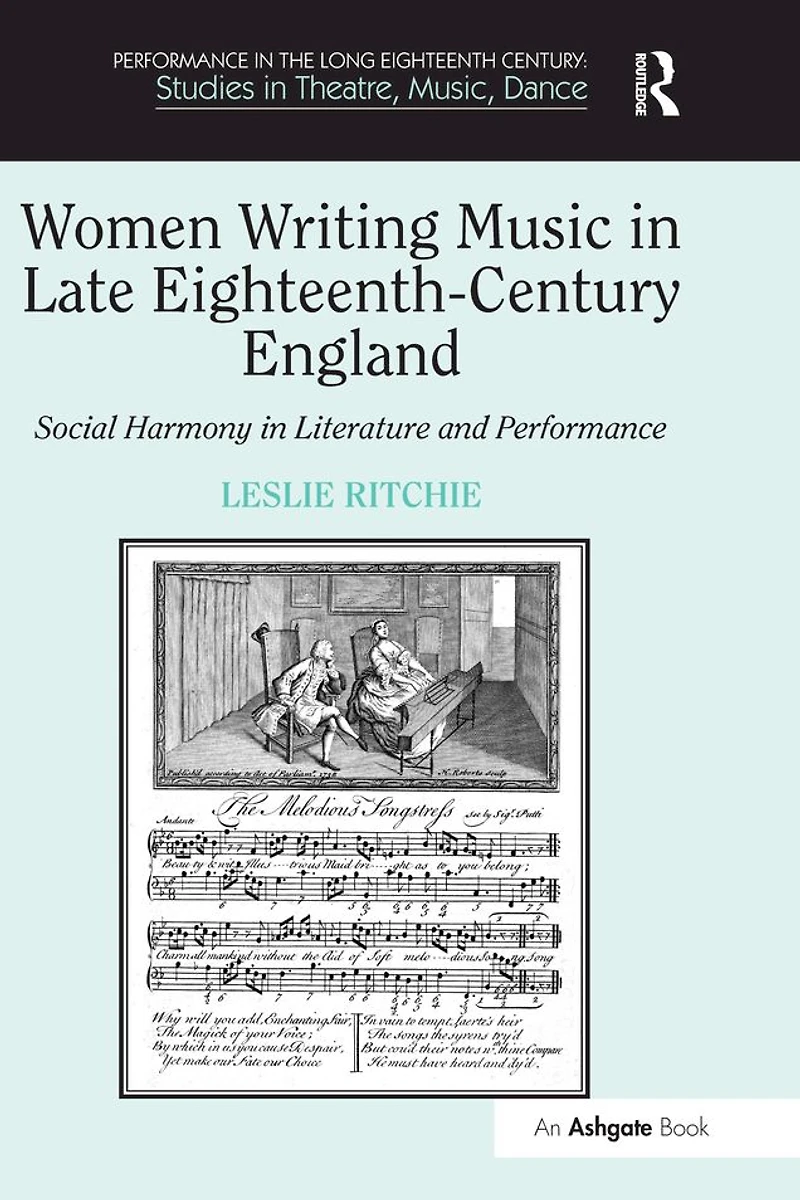
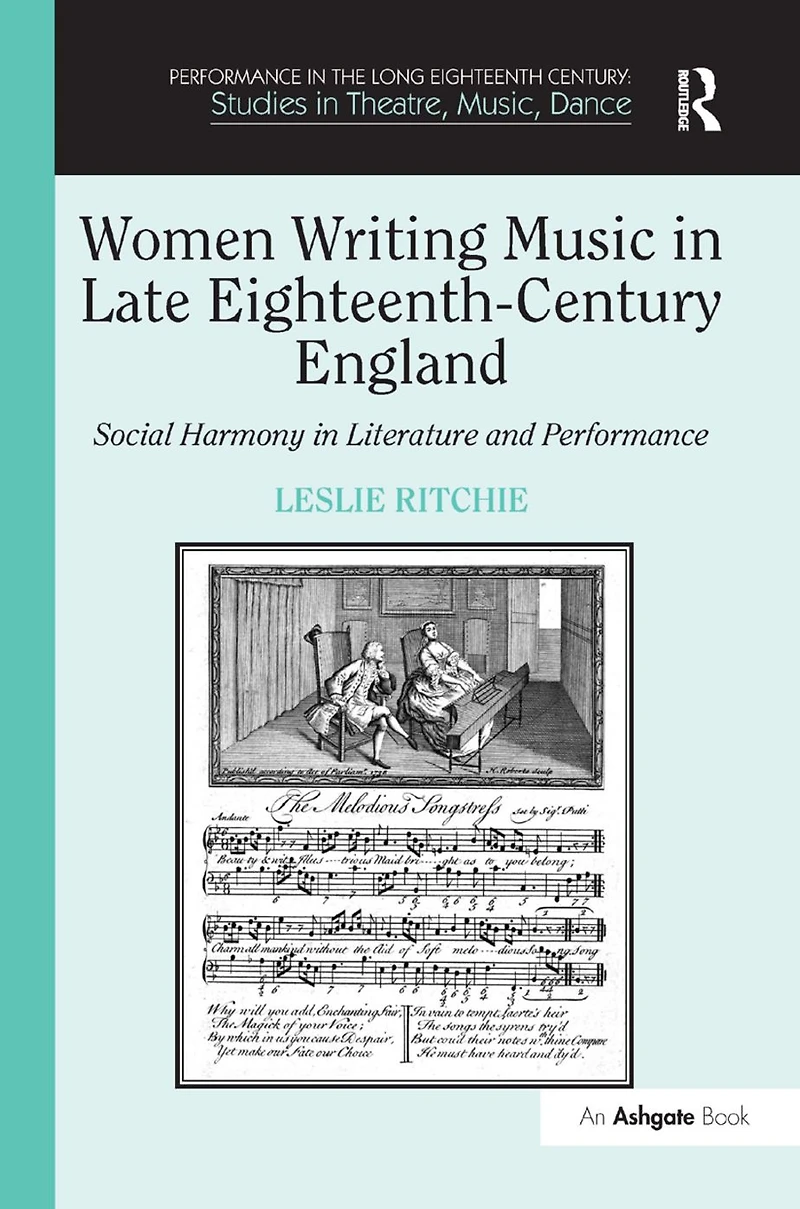
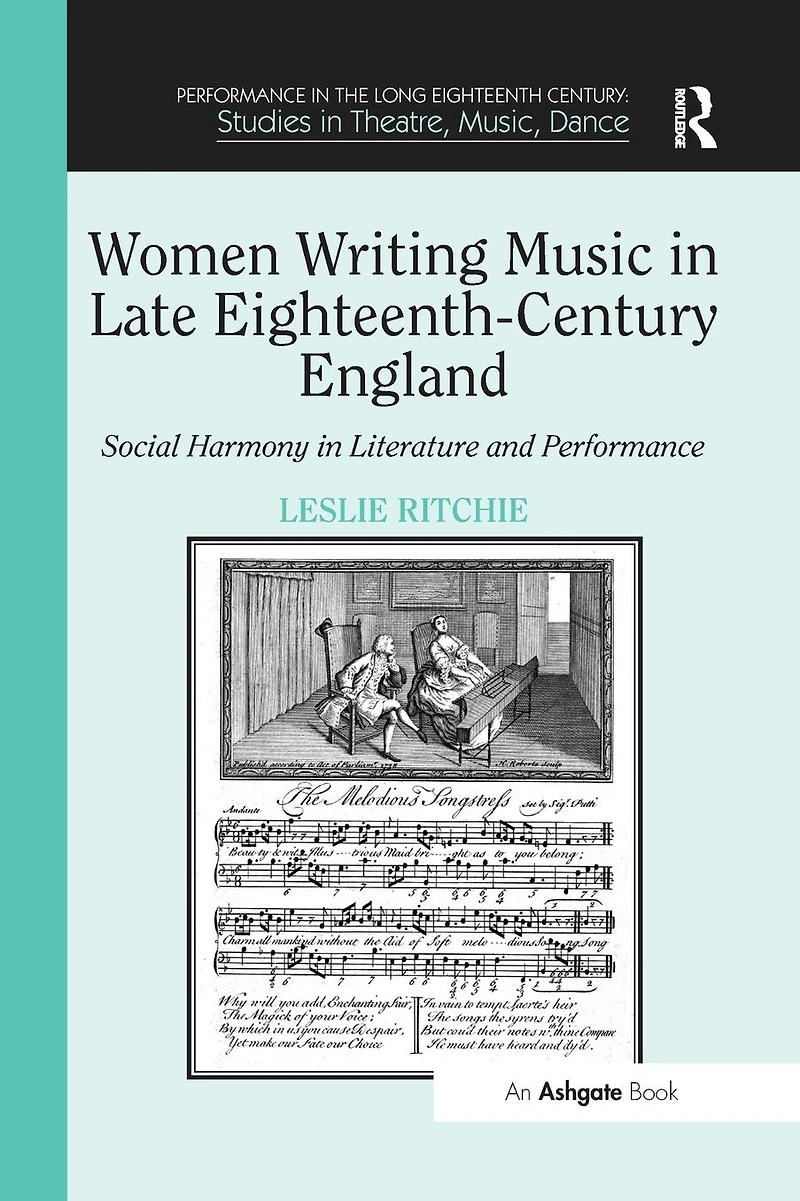
Women Writing Music Late Eighteenth-Century England: Social Harmony Literature and Performance in Bloomington, MN
By Barnes & Noble
Current price: $79.99

Women Writing Music Late Eighteenth-Century England: Social Harmony Literature and Performance in Bloomington, MN
Current price: $79.99
Loading Inventory...
Size: EBook
Combining new musicology trends, formal musical analysis, and literary feminist recovery work, Leslie Ritchie examines rare poetic, didactic, fictional, and musical texts written by women in late eighteenth-century Britain. She finds instances of and resistance to contemporary perceptions of music as a form of social control in works by Maria Barthélemon, Harriett Abrams, Mary Worgan, Susanna Rowson, Hannah Cowley, and Amelia Opie, among others. Relating women's musical compositions and writings about music to theories of music's function in the formation of female subjectivities during the latter half of the eighteenth century, Ritchie draws on the work of cultural theorists and cultural historians, as well as feminist scholars who have explored the connection between femininity and performance. Whether crafting works consonant with societal ideals of charitable, natural, and national order, or re-imagining their participation in these musical aids to social harmony, women contributed significantly to the formation of British cultural identity. Ritchie's interdisciplinary book will interest scholars working in a range of fields, including gender studies, musicology, eighteenth-century British literature, and cultural studies.
Combining new musicology trends, formal musical analysis, and literary feminist recovery work, Leslie Ritchie examines rare poetic, didactic, fictional, and musical texts written by women in late eighteenth-century Britain. She finds instances of and resistance to contemporary perceptions of music as a form of social control in works by Maria Barthélemon, Harriett Abrams, Mary Worgan, Susanna Rowson, Hannah Cowley, and Amelia Opie, among others. Relating women's musical compositions and writings about music to theories of music's function in the formation of female subjectivities during the latter half of the eighteenth century, Ritchie draws on the work of cultural theorists and cultural historians, as well as feminist scholars who have explored the connection between femininity and performance. Whether crafting works consonant with societal ideals of charitable, natural, and national order, or re-imagining their participation in these musical aids to social harmony, women contributed significantly to the formation of British cultural identity. Ritchie's interdisciplinary book will interest scholars working in a range of fields, including gender studies, musicology, eighteenth-century British literature, and cultural studies.
Shop Similar Products








Find at Mall of America® in Bloomington, MN
Visit at Mall of America® in Bloomington, MN