


Home
Women and the Distribution of Wealth: Feminist Economics
Barnes and Noble
Loading Inventory...

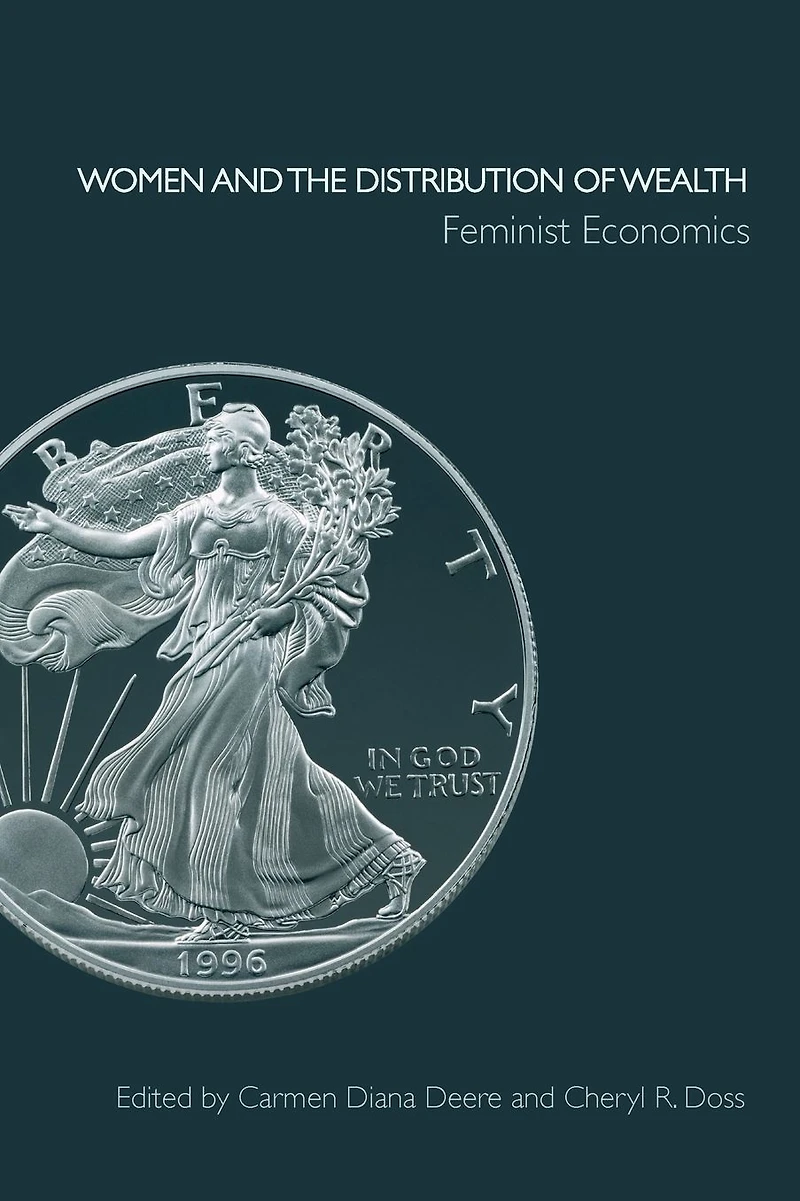
Women and the Distribution of Wealth: Feminist Economics in Bloomington, MN
By Barnes & Noble
Current price: $225.00

Women and the Distribution of Wealth: Feminist Economics in Bloomington, MN
Current price: $225.00
Loading Inventory...
Size: Hardcover
Gender is rarely taken into account in analyses of the distribution of wealth, and the evidence on women’s ownership of wealth is surprisingly scarce. It is important to examine the distribution of wealth by gender because gender is one important dimension along which inequality exists. In addition, women and men may use their wealth, and the income that it generates, differently and this may have consequences for household well-being and the larger society. Wealth also is related to power – both economic and political power – and asset ownership is related to increased empowerment and well-being. This collection focuses on documenting the gender distribution of wealth and addressing how and why it matters within a variety of geographical contexts. Including historical, comparative, analytical, and policy-oriented work, the essays: conceptualize how we think about and measure asset ownership analyze wealth as a measure of bargaining power within households examine different marital regimes and their implications for the dynamic of wealth accumulation take into account differences of race, ethnicity, and social class consider the role of the state in reducing inequalities in wealth and assets by gender and class. This book was previously published as a special issue of Feminist Economics.
Gender is rarely taken into account in analyses of the distribution of wealth, and the evidence on women’s ownership of wealth is surprisingly scarce. It is important to examine the distribution of wealth by gender because gender is one important dimension along which inequality exists. In addition, women and men may use their wealth, and the income that it generates, differently and this may have consequences for household well-being and the larger society. Wealth also is related to power – both economic and political power – and asset ownership is related to increased empowerment and well-being. This collection focuses on documenting the gender distribution of wealth and addressing how and why it matters within a variety of geographical contexts. Including historical, comparative, analytical, and policy-oriented work, the essays: conceptualize how we think about and measure asset ownership analyze wealth as a measure of bargaining power within households examine different marital regimes and their implications for the dynamic of wealth accumulation take into account differences of race, ethnicity, and social class consider the role of the state in reducing inequalities in wealth and assets by gender and class. This book was previously published as a special issue of Feminist Economics.
Shop Similar Products








Find at Mall of America® in Bloomington, MN
Visit at Mall of America® in Bloomington, MN