


Home
Wives Not Slaves: Patriarchy and Modernity the Age of Revolutions
Barnes and Noble
Loading Inventory...
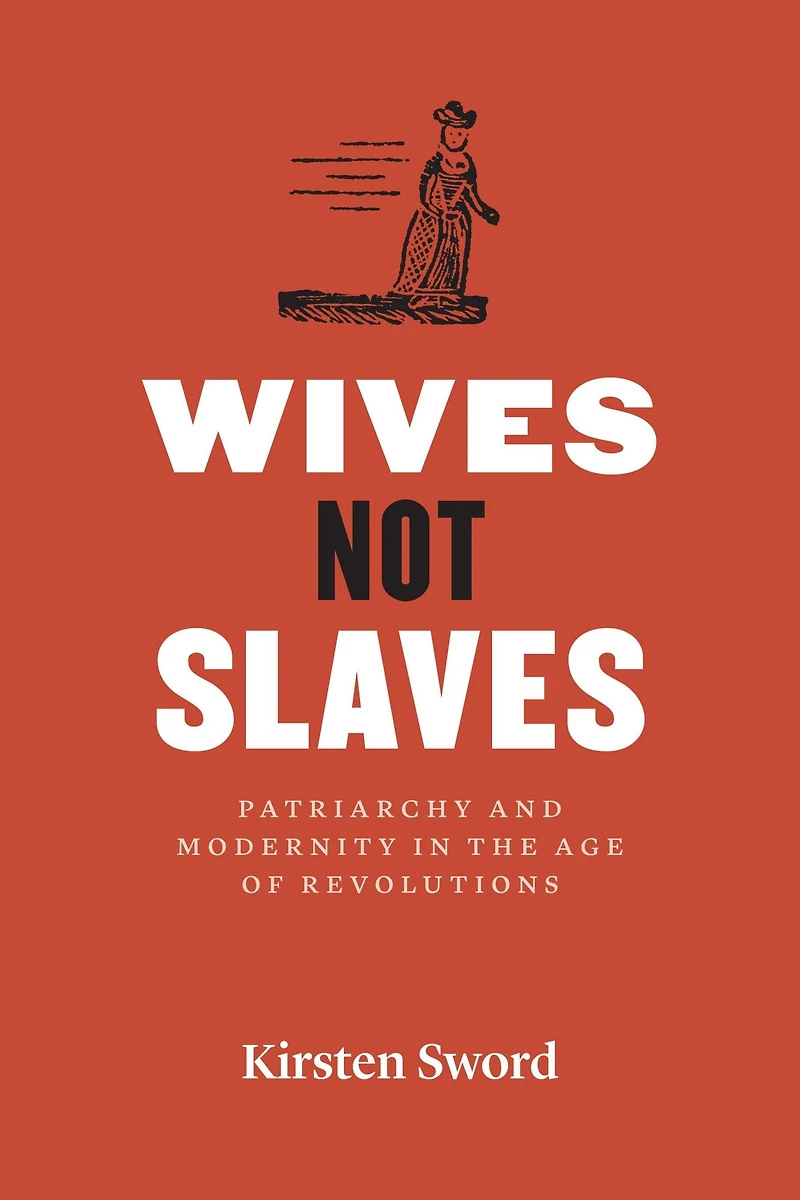
Wives Not Slaves: Patriarchy and Modernity the Age of Revolutions in Bloomington, MN
By Barnes & Noble
Current price: $11.99

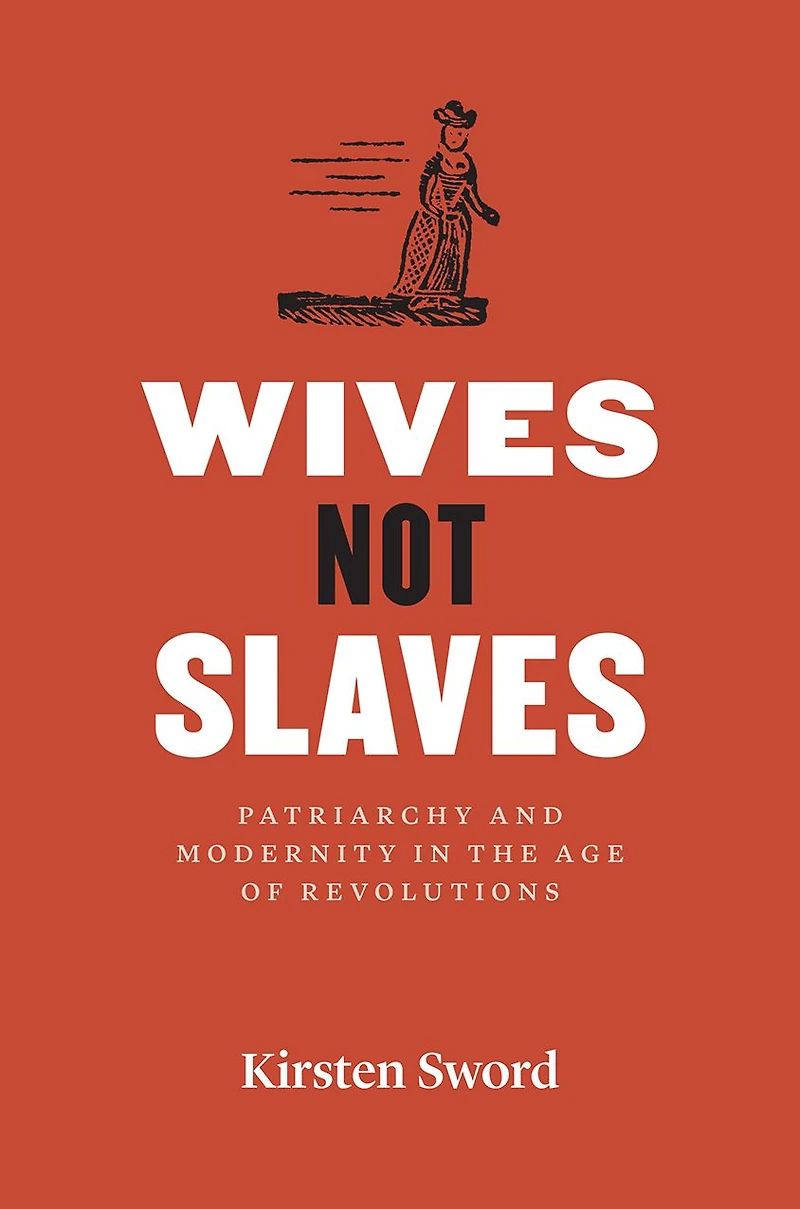
Wives Not Slaves: Patriarchy and Modernity the Age of Revolutions in Bloomington, MN
Current price: $11.99
Loading Inventory...
Size: EBook
"Excellent. . . . historicizes the workings of patriarchy and women's defiance in ways that feminist theory and other disciplinary perspectives may overlook." —Journal of Interdisciplinary HistoryWives not Slaves begins with the story of John and Eunice Davis, a colonial American couple who, in 1762, advertised their marital difficulties in the New Hampshire Gazette—a more common practice for the time and place than contemporary readers might think. After Eunice left him, John Davis posted a notice resembling the ads about runaway slaves and servants that were a common feature of eighteenth-century newspapers. John warned neighbors against "entertaining her or harbouring her. . . or giving her credit." Eunice defiantly replied, "If I am your wife, I am not your slave." With this pointed but problematic analogy, Eunice connected her individual challenge to her husband's authority with the broader critiques of patriarchal power found in the politics, religion, and literature of the British Atlantic world.Kirsten Sword's richly researched history reconstructs the stories of wives who fled their husbands between the mid-seventeenth and early nineteenth centuries, comparing their plight with that of other runaway dependents. Wives not Slaves explores the links between local justice, the emerging press, and transatlantic political debates about marriage, slavery and imperial power. Sword traces the relationship between the distress of ordinary households, domestic unrest, and political unrest, shedding new light on the social changes imagined by eighteenth-century revolutionaries, and on the politics that determined which patriarchal forms and customs the new American nation would—and would not—abolish."Incisive and compelling." ―Early American Literature"A must-read for anyone interested in the interplay between popular culture and law." ―Laurel Thatcher Ulrich, Harvard University
"Excellent. . . . historicizes the workings of patriarchy and women's defiance in ways that feminist theory and other disciplinary perspectives may overlook." —Journal of Interdisciplinary HistoryWives not Slaves begins with the story of John and Eunice Davis, a colonial American couple who, in 1762, advertised their marital difficulties in the New Hampshire Gazette—a more common practice for the time and place than contemporary readers might think. After Eunice left him, John Davis posted a notice resembling the ads about runaway slaves and servants that were a common feature of eighteenth-century newspapers. John warned neighbors against "entertaining her or harbouring her. . . or giving her credit." Eunice defiantly replied, "If I am your wife, I am not your slave." With this pointed but problematic analogy, Eunice connected her individual challenge to her husband's authority with the broader critiques of patriarchal power found in the politics, religion, and literature of the British Atlantic world.Kirsten Sword's richly researched history reconstructs the stories of wives who fled their husbands between the mid-seventeenth and early nineteenth centuries, comparing their plight with that of other runaway dependents. Wives not Slaves explores the links between local justice, the emerging press, and transatlantic political debates about marriage, slavery and imperial power. Sword traces the relationship between the distress of ordinary households, domestic unrest, and political unrest, shedding new light on the social changes imagined by eighteenth-century revolutionaries, and on the politics that determined which patriarchal forms and customs the new American nation would—and would not—abolish."Incisive and compelling." ―Early American Literature"A must-read for anyone interested in the interplay between popular culture and law." ―Laurel Thatcher Ulrich, Harvard University
Shop Similar Products
















Find at Mall of America® in Bloomington, MN
Visit at Mall of America® in Bloomington, MN