


Home
Without The Least Tremor: Sacrifice of Socrates Plato's Phaedo
Barnes and Noble
Loading Inventory...
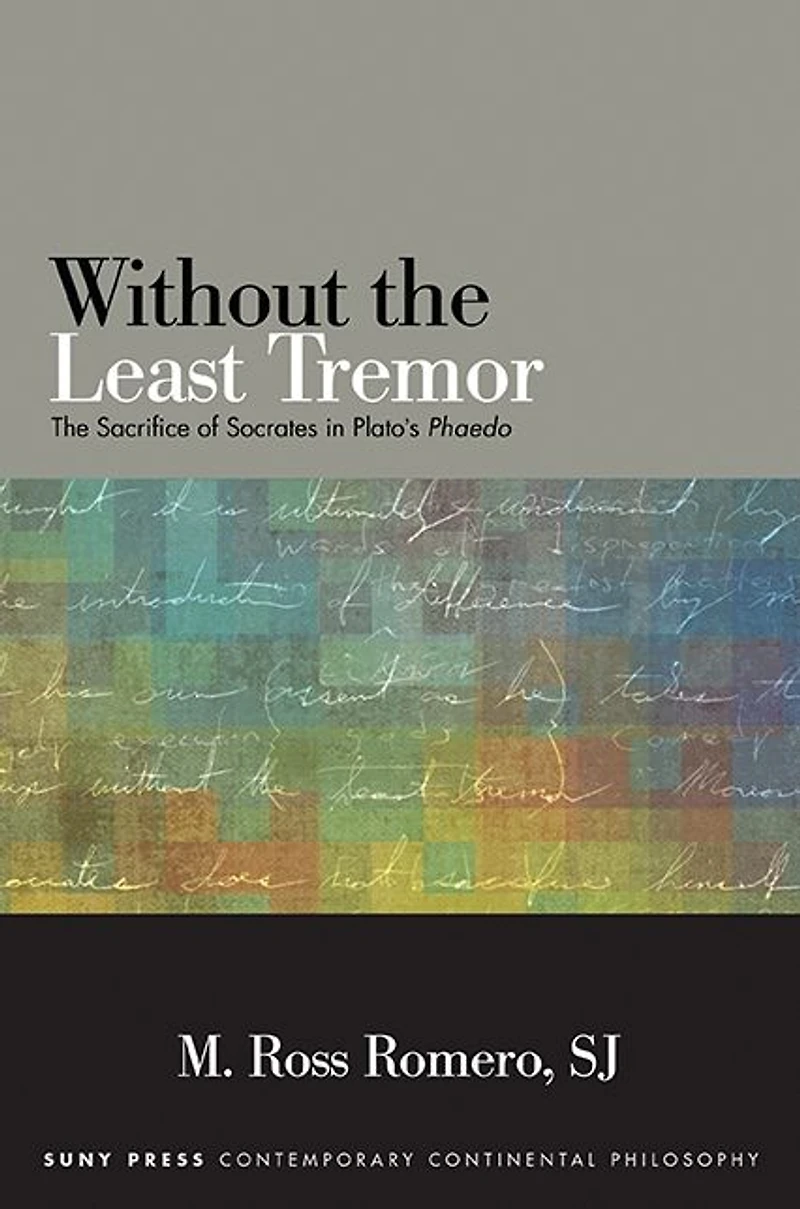
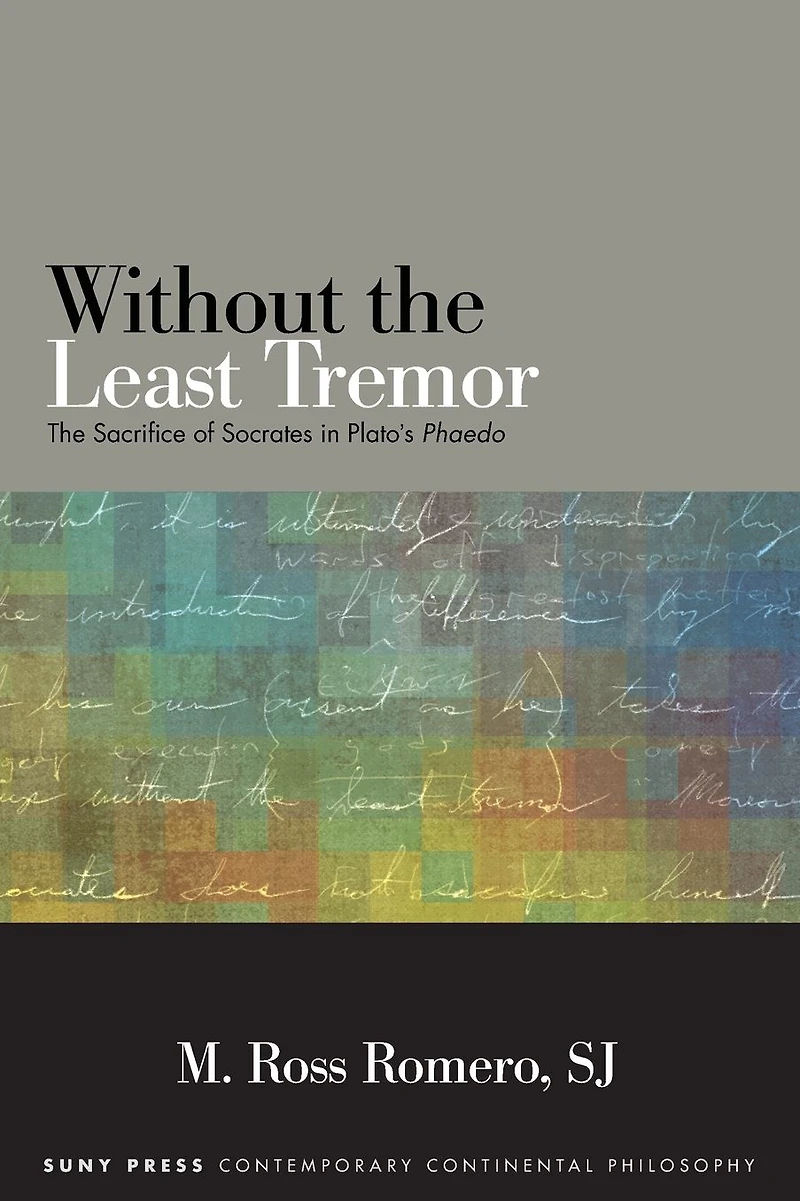
Without The Least Tremor: Sacrifice of Socrates Plato's Phaedo in Bloomington, MN
By Barnes & Noble
Current price: $35.95

Without The Least Tremor: Sacrifice of Socrates Plato's Phaedo in Bloomington, MN
Current price: $35.95
Loading Inventory...
Size: EBook
A reading of the death of Socrates as a self-sacrifice, with implications for ideas about suffering, wisdom, and the soul's relationship to the body.In Without the Least Tremor, M. Ross Romero considers the death of Socrates as a sacrificial act rather than an execution, and analyzes the implications of such an understanding for the meaning of the Phaedo. Plato's recounting of Socrates's death fits many of the conventions of ancient Greek sacrificial ritual. Among these are the bath, the procession, Socrates's appearance as a bull, the libation, the offering of a rooster to Asclepius, the treatment of Socrates's body and corpse, and Phaedo's memorialization of Socrates. Yet in a powerful moment, Socrates's death deviates from a sacrifice as he drinks the pharmakon "without the least tremor." Developing the themes of suffering and wisdom as they connect to this scene, Romero demonstrates how the embodied Socrates is setting forth an eikôn of the death of the philosopher. Drawing on comparisons with tragedy and comedy, he argues that Socrates's death is more fittingly described as self-sacrifice than merely an execution or suicide. After considering the implications of these themes for the soul's immortality and its relationship to the body, the book concludes with an exploration of the place of sacrifice within ethical life.
A reading of the death of Socrates as a self-sacrifice, with implications for ideas about suffering, wisdom, and the soul's relationship to the body.In Without the Least Tremor, M. Ross Romero considers the death of Socrates as a sacrificial act rather than an execution, and analyzes the implications of such an understanding for the meaning of the Phaedo. Plato's recounting of Socrates's death fits many of the conventions of ancient Greek sacrificial ritual. Among these are the bath, the procession, Socrates's appearance as a bull, the libation, the offering of a rooster to Asclepius, the treatment of Socrates's body and corpse, and Phaedo's memorialization of Socrates. Yet in a powerful moment, Socrates's death deviates from a sacrifice as he drinks the pharmakon "without the least tremor." Developing the themes of suffering and wisdom as they connect to this scene, Romero demonstrates how the embodied Socrates is setting forth an eikôn of the death of the philosopher. Drawing on comparisons with tragedy and comedy, he argues that Socrates's death is more fittingly described as self-sacrifice than merely an execution or suicide. After considering the implications of these themes for the soul's immortality and its relationship to the body, the book concludes with an exploration of the place of sacrifice within ethical life.
Shop Similar Products









Find at Mall of America® in Bloomington, MN
Visit at Mall of America® in Bloomington, MN