


Home
Who Matters at the World Bank?: Bureaucrats, Policy Change, and Public Sector Governance
Barnes and Noble
Loading Inventory...
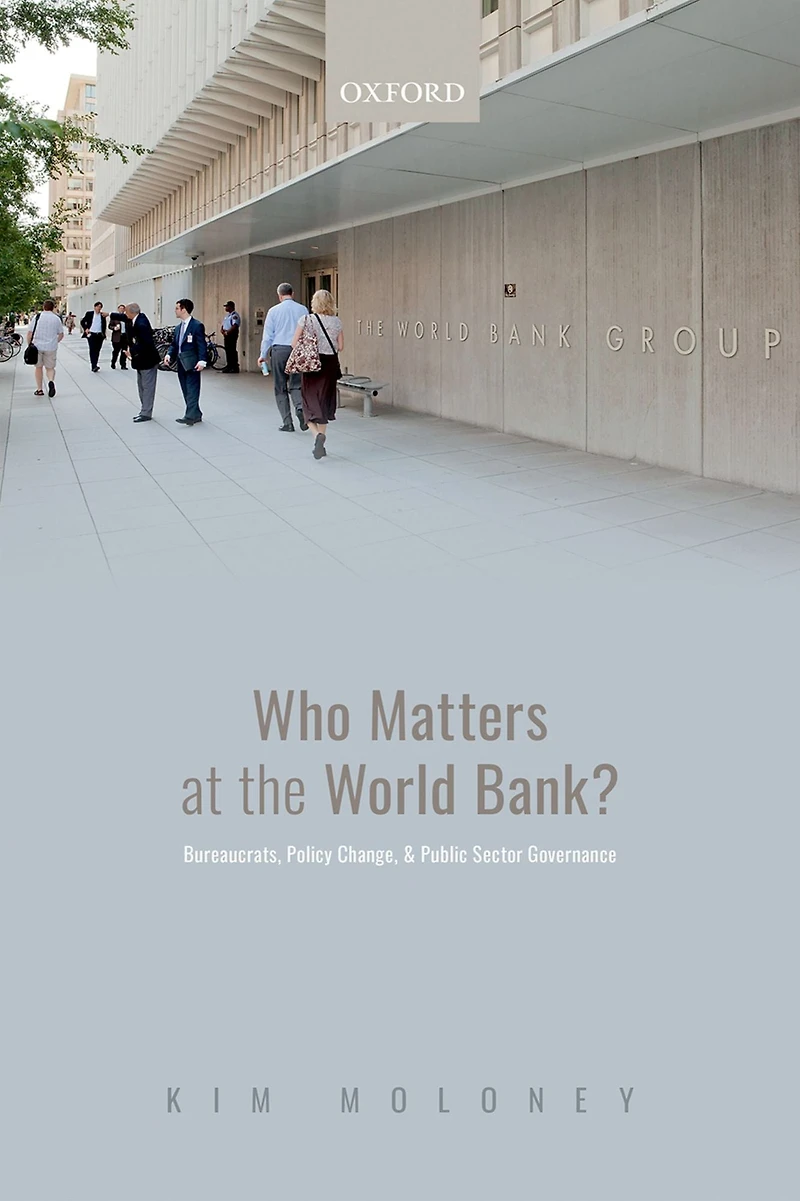
Who Matters at the World Bank?: Bureaucrats, Policy Change, and Public Sector Governance in Bloomington, MN
By Barnes & Noble
Current price: $111.99

Who Matters at the World Bank?: Bureaucrats, Policy Change, and Public Sector Governance in Bloomington, MN
Current price: $111.99
Loading Inventory...
Size: EBook
Who Matters at the World Bank explores "who matters" in a 32-year history (1980-2012) of policy change within the World Bank's public sector management and public sector governance agenda, and is anchored within the public administration discipline and its understanding of bureaucracy, bureaucratic politics, and stakeholder influences. In response to constructivist scholars' concerns about politics and the organizational culture of international civil servants within international organizations, Kim Moloney uses stakeholder theory and a bureaucratic politics approach to suggest the normality of politics, policy debate, and policy evolution. The book also highlights how for 21 of those 32 years it was not external stakeholders but the international civil servants of the World Bank who most influenced, led, developed, and institutionalized this sector's agenda. In so doing, the book explains how one sector of the Bank's work rose, against the odds, from being included in just under 3% of approved projects in 1980 to 73% of all projects approved between 1991 and 2012.
Who Matters at the World Bank explores "who matters" in a 32-year history (1980-2012) of policy change within the World Bank's public sector management and public sector governance agenda, and is anchored within the public administration discipline and its understanding of bureaucracy, bureaucratic politics, and stakeholder influences. In response to constructivist scholars' concerns about politics and the organizational culture of international civil servants within international organizations, Kim Moloney uses stakeholder theory and a bureaucratic politics approach to suggest the normality of politics, policy debate, and policy evolution. The book also highlights how for 21 of those 32 years it was not external stakeholders but the international civil servants of the World Bank who most influenced, led, developed, and institutionalized this sector's agenda. In so doing, the book explains how one sector of the Bank's work rose, against the odds, from being included in just under 3% of approved projects in 1980 to 73% of all projects approved between 1991 and 2012.











Find at Mall of America® in Bloomington, MN
Visit at Mall of America® in Bloomington, MN