


Home
Weapon of Peace: How Religious Liberty Combats Terrorism
Barnes and Noble
Loading Inventory...
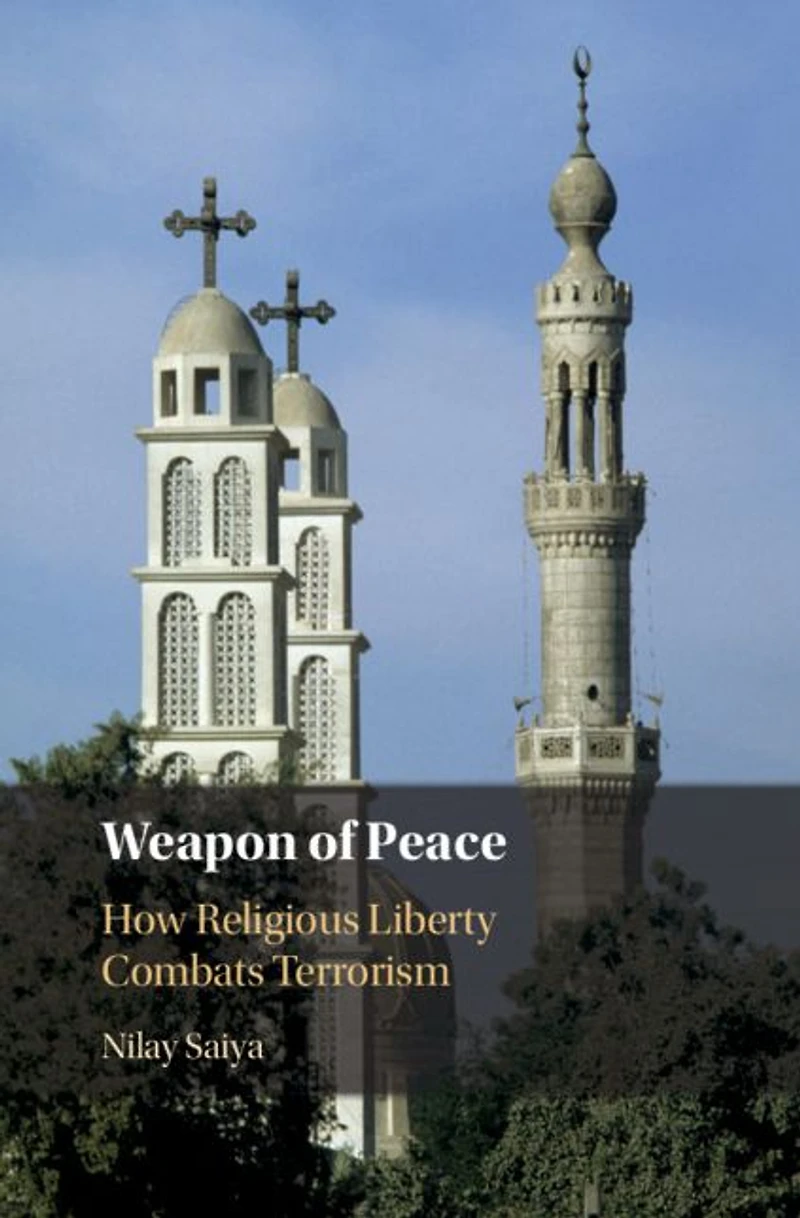
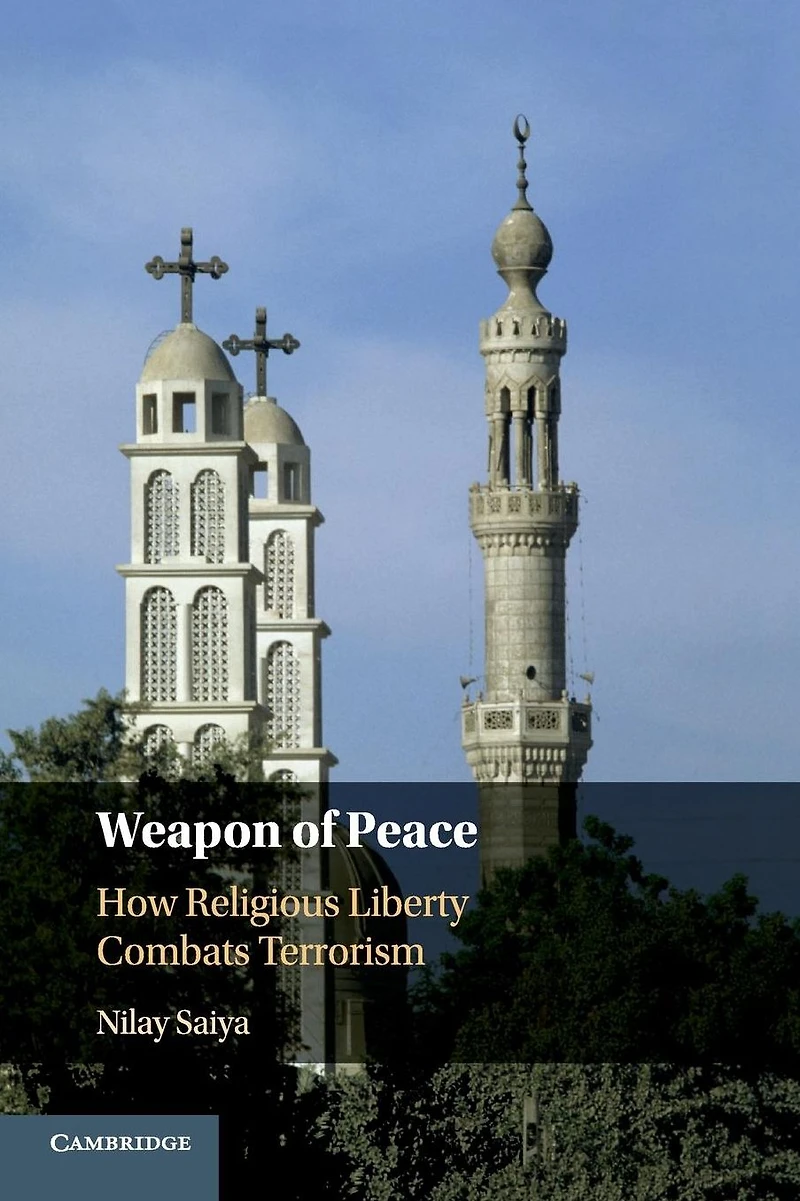
Weapon of Peace: How Religious Liberty Combats Terrorism in Bloomington, MN
By Barnes & Noble
Current price: $47.00

Weapon of Peace: How Religious Liberty Combats Terrorism in Bloomington, MN
Current price: $47.00
Loading Inventory...
Size: EBook
Religious terrorism poses a significant challenge for many countries around the world. Extremists who justify violence in God's name can be found in every religious tradition, and attacks perpetrated by faith-based militants have increased dramatically over the past three decades. Given the reality of religious terrorism today, it would seem counterintuitive that the best weapon against violent religious extremism would be for countries and societies to allow for the free practice of religion; yet this is precisely what this book argues. Weapon of Peace investigates the link between terrorism and the repression of religion, both from a historical perspective and against contemporary developments in the Middle East and elsewhere. Drawing upon a range of different case studies and quantitative data, Saiya makes the case that the suppression and not the expression of religion leads to violence and extremism, and that safeguarding religious freedom is both a moral and strategic imperative.
Religious terrorism poses a significant challenge for many countries around the world. Extremists who justify violence in God's name can be found in every religious tradition, and attacks perpetrated by faith-based militants have increased dramatically over the past three decades. Given the reality of religious terrorism today, it would seem counterintuitive that the best weapon against violent religious extremism would be for countries and societies to allow for the free practice of religion; yet this is precisely what this book argues. Weapon of Peace investigates the link between terrorism and the repression of religion, both from a historical perspective and against contemporary developments in the Middle East and elsewhere. Drawing upon a range of different case studies and quantitative data, Saiya makes the case that the suppression and not the expression of religion leads to violence and extremism, and that safeguarding religious freedom is both a moral and strategic imperative.
Shop Similar Products













Find at Mall of America® in Bloomington, MN
Visit at Mall of America® in Bloomington, MN