


Home
We Have No Microbes Here: Healing Practices in a Turkish Black Sea Village
Barnes and Noble
Loading Inventory...
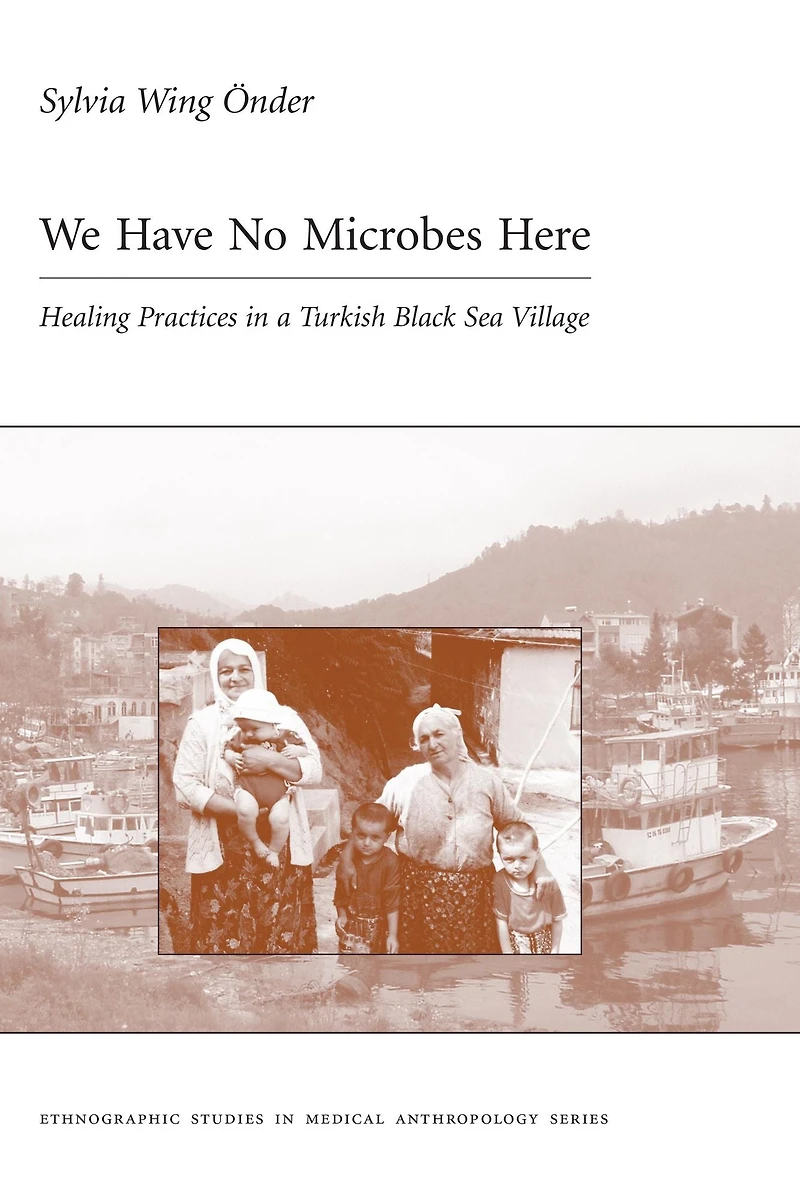
We Have No Microbes Here: Healing Practices in a Turkish Black Sea Village in Bloomington, MN
By Barnes & Noble
Current price: $40.00

We Have No Microbes Here: Healing Practices in a Turkish Black Sea Village in Bloomington, MN
Current price: $40.00
Loading Inventory...
Size: Paperback
There is a growing body of literature about Muslim women concerned with their activities in the public sphere and the aspirations held by and for them in regard to political and economic participation. Interest in Muslim women's private lives has long been tainted by the fanciful stereotypes of a mysterious, opulent, and sensual "world of the harem" from the days of voyeuristic Western travel logs. The rural Muslim woman, if noticed at all, has generally been portrayed as the most unfortunate of creatures, requiring the interventions of nationalists, feminists, development experts, human rights activists, and civil society organizations. We Have No Microbes Here examines rural Muslim women's lives starting with the family sphere, where women hold the primary responsibility for health care, providing diagnosis and advice, first aid, traditional remedies, and concerned attention. With marriage and motherhood, women begin to acquire the social status and respect which will shape their lives. Social networks between neighbors and relatives, managed primarily among women, ensure widening circles of health advice and resources if problems cannot be dealt with within the immediate family. Women encounter new realms of experience as they pursue health care treatment for family members through state-run health clinics, hospitals, and doctor's offices, and are often faced with prejudice because of their poverty and traditional concepts about the meaning of health and illness. This patient-centered ethnography reveals the community's construction of and dependence on the caring of mothers, wives, daughters, and daughters-in-law, showing how Muslim practice and Islamic revivalism; tradition and modernity; global, national and regional identity; and gender shape local concepts of health and illness. Examining traditional metaphors used to describe the body and its suffering, this study situates a Turkish Black Sea village community in expanding networks of labor migration and medical technologies as well as within international discourses on science and religion. This book is part of the Ethnographic Studies in Medical Anthropology Series, edited by Pamela J. Stewart and Andrew Strathern, Department of Anthropology, University of Pittsburgh.
There is a growing body of literature about Muslim women concerned with their activities in the public sphere and the aspirations held by and for them in regard to political and economic participation. Interest in Muslim women's private lives has long been tainted by the fanciful stereotypes of a mysterious, opulent, and sensual "world of the harem" from the days of voyeuristic Western travel logs. The rural Muslim woman, if noticed at all, has generally been portrayed as the most unfortunate of creatures, requiring the interventions of nationalists, feminists, development experts, human rights activists, and civil society organizations. We Have No Microbes Here examines rural Muslim women's lives starting with the family sphere, where women hold the primary responsibility for health care, providing diagnosis and advice, first aid, traditional remedies, and concerned attention. With marriage and motherhood, women begin to acquire the social status and respect which will shape their lives. Social networks between neighbors and relatives, managed primarily among women, ensure widening circles of health advice and resources if problems cannot be dealt with within the immediate family. Women encounter new realms of experience as they pursue health care treatment for family members through state-run health clinics, hospitals, and doctor's offices, and are often faced with prejudice because of their poverty and traditional concepts about the meaning of health and illness. This patient-centered ethnography reveals the community's construction of and dependence on the caring of mothers, wives, daughters, and daughters-in-law, showing how Muslim practice and Islamic revivalism; tradition and modernity; global, national and regional identity; and gender shape local concepts of health and illness. Examining traditional metaphors used to describe the body and its suffering, this study situates a Turkish Black Sea village community in expanding networks of labor migration and medical technologies as well as within international discourses on science and religion. This book is part of the Ethnographic Studies in Medical Anthropology Series, edited by Pamela J. Stewart and Andrew Strathern, Department of Anthropology, University of Pittsburgh.














Find at Mall of America® in Bloomington, MN
Visit at Mall of America® in Bloomington, MN