


Home
Virtue and Politics: Alasdair MacIntyre's Revolutionary Aristotelianism
Barnes and Noble
Loading Inventory...
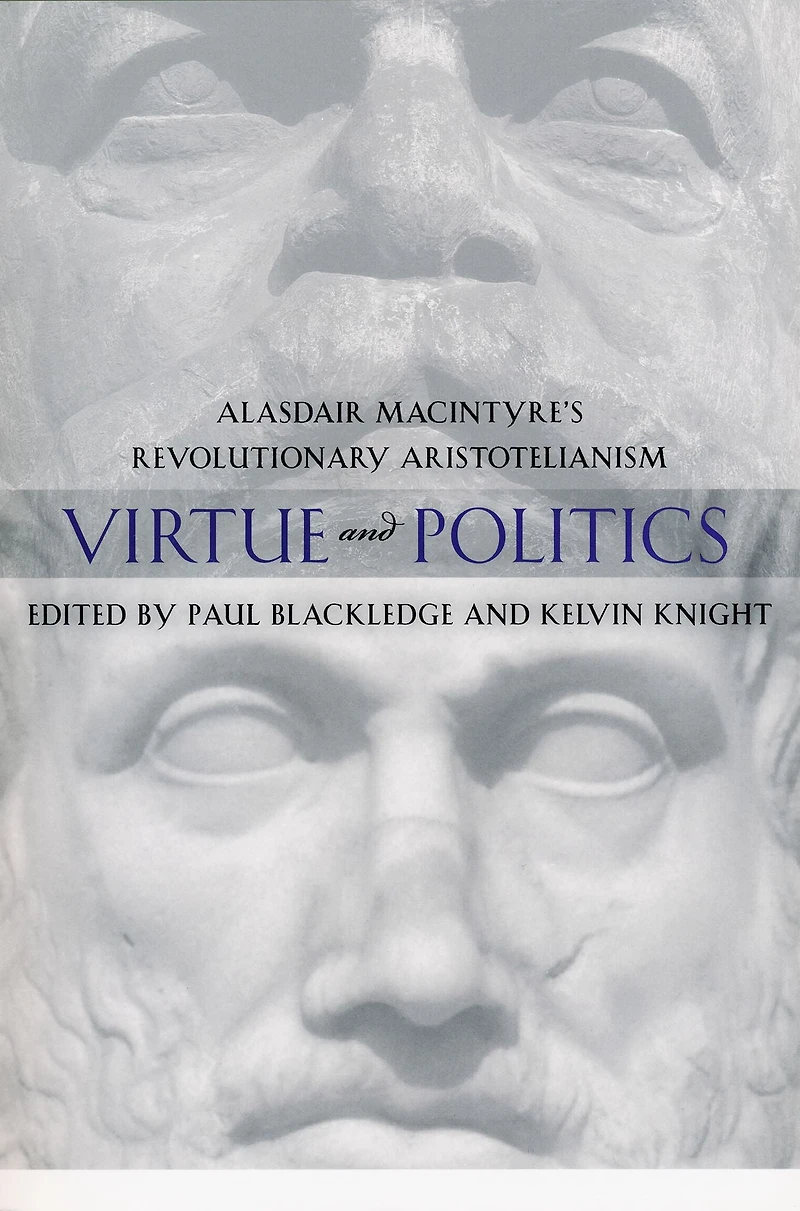
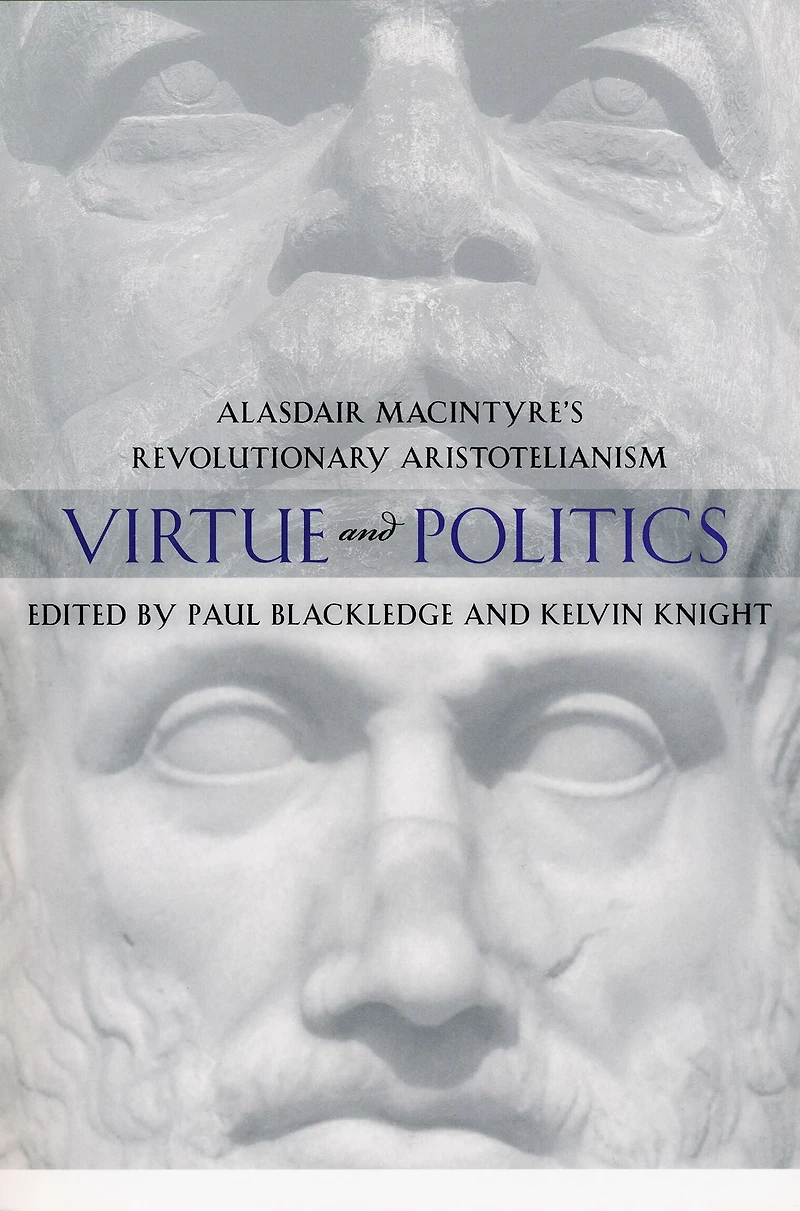
Virtue and Politics: Alasdair MacIntyre's Revolutionary Aristotelianism in Bloomington, MN
By Barnes & Noble
Current price: $31.99

Virtue and Politics: Alasdair MacIntyre's Revolutionary Aristotelianism in Bloomington, MN
Current price: $31.99
Loading Inventory...
Size: EBook
The essays in this collection explore the implications of Alasdair MacIntyre's critique of liberalism, capitalism, and the modern state, his early Marxism, and the complex influences of Marxist ideas on his thought. A central idea is that MacIntyre's political and social theory is a form of revolutionary—not reactionary—Aristotelianism. The contributors aim, in varying degrees, both to engage with the theoretical issues of MacIntyre's critique and to extend and deepen his insights. The book features a new introductory essay by MacIntyre, "How Aristotelianism Can Become Revolutionary," and ends with an essay in which MacIntyre comments on the other authors' contributions. It also includes Kelvin Knight's 1996 essay, "Revolutionary Aristotelianism," which first challenged conservative appropriations of MacIntyre's critique of liberalism by reinterpreting his Aristotelianism through the lens of his earlier engagement with Marx.Contributors: Paul Blackledge, Kelvin Knight, Alasdair MacIntyre, Tony Burns, Alex Callinicos, Sean Sayers, Niko Noponen, Émile Perreau-Saussine, Neil Davidson, Sante Maletta, Anton Leist, Peter McMylor, and Andrius Bielskis.
The essays in this collection explore the implications of Alasdair MacIntyre's critique of liberalism, capitalism, and the modern state, his early Marxism, and the complex influences of Marxist ideas on his thought. A central idea is that MacIntyre's political and social theory is a form of revolutionary—not reactionary—Aristotelianism. The contributors aim, in varying degrees, both to engage with the theoretical issues of MacIntyre's critique and to extend and deepen his insights. The book features a new introductory essay by MacIntyre, "How Aristotelianism Can Become Revolutionary," and ends with an essay in which MacIntyre comments on the other authors' contributions. It also includes Kelvin Knight's 1996 essay, "Revolutionary Aristotelianism," which first challenged conservative appropriations of MacIntyre's critique of liberalism by reinterpreting his Aristotelianism through the lens of his earlier engagement with Marx.Contributors: Paul Blackledge, Kelvin Knight, Alasdair MacIntyre, Tony Burns, Alex Callinicos, Sean Sayers, Niko Noponen, Émile Perreau-Saussine, Neil Davidson, Sante Maletta, Anton Leist, Peter McMylor, and Andrius Bielskis.
Shop Similar Products










Find at Mall of America® in Bloomington, MN
Visit at Mall of America® in Bloomington, MN