


Home
U.S. Marine Corps Combat Water Survival
Barnes and Noble
Loading Inventory...
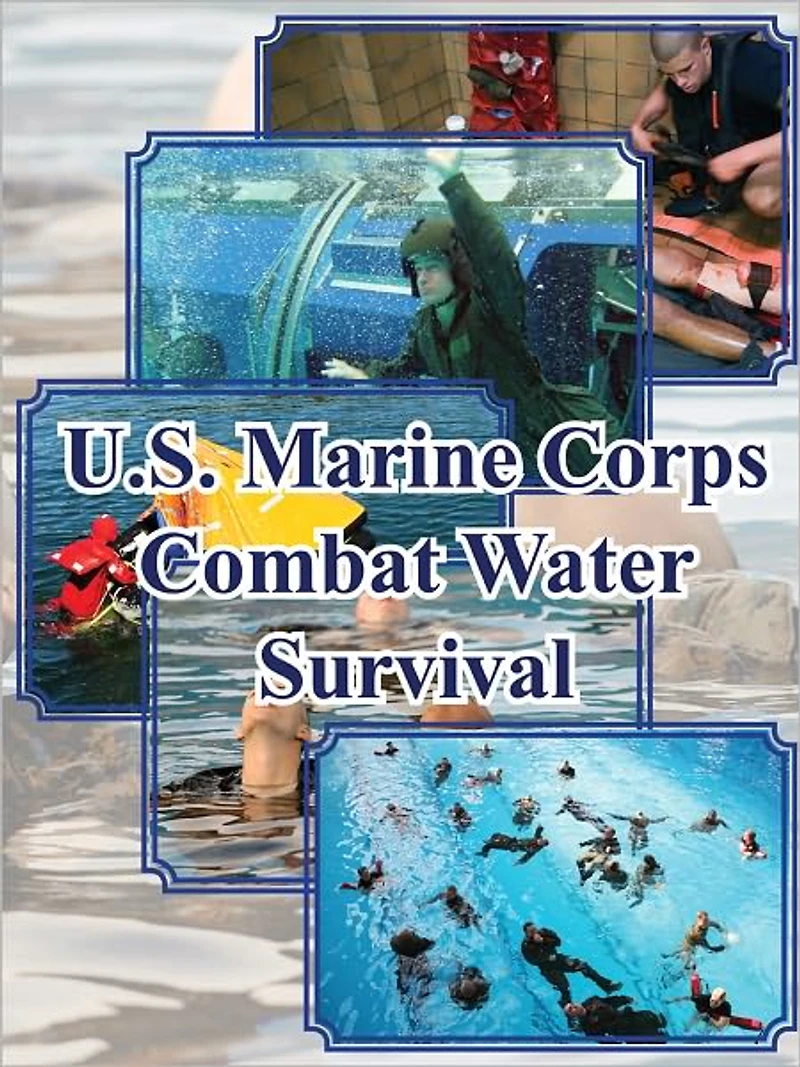
U.S. Marine Corps Combat Water Survival in Bloomington, MN
By Barnes & Noble
Current price: $8.99

U.S. Marine Corps Combat Water Survival in Bloomington, MN
Current price: $8.99
Loading Inventory...
Size: EBook
U.S. Marine Corps Combat Water Survival: Marine Corps Reference Publication (MCRP) 3-02C, Marine Combat Water Survival, provides Marine Corps combat water survival techniques, procedures, and training standards. This publication also teaches Marines to cross water obstacles and perform water rescues correctly and safely. This publication is the foundation for teaching Marines correct water survival techniques and procedures that are used throughout the Marine combat water survival program (MCWSP). Tablet of CONTENTS:Chapter 1. Survival at SeaAbandoning Ship Jettisoning EquipmentAbandoning Ship Technique Modified Abandoning Ship Technique Surface Burning Oil SwimSurviving With a Pack Preparing EquipmentTying Waterproof/Plastic BagsPacking the Pack Swimming With the PackStaying Afloat With a Life Preserver Inherently Buoyant Life Preservers Inflatable Life Preservers Staying Afloat Without a Life Preserver Floating With an Inflated Blouse Floating With Inflated Trousers Sling Method Splash Method Blow Method Avoiding Heat Loss in Cold WaterIndividual Protection From the ColdGroup Protection From the ColdDrownproofing Methods Crawl StrokeT-MethodThe SweepBreast StrokeSide StrokeElementary BackstrokeChapter 2. Water RescuesReaching Rescue TechniquesReach Reach From a Deck Arm ExtensionLeg ExtensionWading Assist Throw Lifesaving Approaches Front Surface Approach Rear ApproachApproach StrokesCrawl Stroke Approach StrokeBreast Stroke Approach Stroke Level Offs Front Surface Approach Single Armpit Level Off Double Armpit Level Off Rescue TechniquesWrist Tow Single Armpit Tow Double Armpit TowCollar TowCross-Chest Carry Tired Swimmer’s Assist Defense Against a Drowning Victim BlockWrist-Grip Escape/Wrist-Grip Escape AlternativeFront Head-Hold Escape Rear Head-Hold Escape Administering First Aid/Rescue Breathing Chapter 3. Treatment of Casualtiesand Avoidance of Dangerous Marine LifeDrowningSymptomsTreatment Hypothermia SymptomsSurvival TimeTreatment Heat-Related InjuriesBurnsCommon Medical ProblemsAssociated with Sea Survival SeasicknessSaltwater SoresBlindness/Headache Constipation Sunburn and Dehydration Dangerous Marine LifeSharks and Barracudas Sea SnakesPoisonous Fish Turtles and Moray Eels Corals Jellyfish, Portuguese Man-of-War,Anemones, and Others Spiny Fish, Urchins, Stingrays, and Cone ShellsChapter 4. Negotiating Water ObstaclesTidesSurfPlunging Waves Spilling WavesSurging WavesCurrentsOffshore Currents Rip CurrentsLittoral Currents Back Bays Rivers and Canals Chapter 5. Fording WaterwaysSelection of a Ford SiteDetermine the Slope ClinometerMap Line of Sight and Pace Determine the Current Speed Measure River WidthCalculate Downstream DriftThe Buddy SystemWater Crossings Care of WeaponsISOMAT Raft Poncho Raft Construction of a Pack RaftSingle-Rope Bridge High and Dry CrossingsSwift Current Crossings Slow Current CrossingsRemoval Appendix. Knot TyingSquare Knot BowlineHitchesHalf HitchTwo Half Hitches Round Turn and Two Half Hitches Butterfly Knot
U.S. Marine Corps Combat Water Survival: Marine Corps Reference Publication (MCRP) 3-02C, Marine Combat Water Survival, provides Marine Corps combat water survival techniques, procedures, and training standards. This publication also teaches Marines to cross water obstacles and perform water rescues correctly and safely. This publication is the foundation for teaching Marines correct water survival techniques and procedures that are used throughout the Marine combat water survival program (MCWSP). Tablet of CONTENTS:Chapter 1. Survival at SeaAbandoning Ship Jettisoning EquipmentAbandoning Ship Technique Modified Abandoning Ship Technique Surface Burning Oil SwimSurviving With a Pack Preparing EquipmentTying Waterproof/Plastic BagsPacking the Pack Swimming With the PackStaying Afloat With a Life Preserver Inherently Buoyant Life Preservers Inflatable Life Preservers Staying Afloat Without a Life Preserver Floating With an Inflated Blouse Floating With Inflated Trousers Sling Method Splash Method Blow Method Avoiding Heat Loss in Cold WaterIndividual Protection From the ColdGroup Protection From the ColdDrownproofing Methods Crawl StrokeT-MethodThe SweepBreast StrokeSide StrokeElementary BackstrokeChapter 2. Water RescuesReaching Rescue TechniquesReach Reach From a Deck Arm ExtensionLeg ExtensionWading Assist Throw Lifesaving Approaches Front Surface Approach Rear ApproachApproach StrokesCrawl Stroke Approach StrokeBreast Stroke Approach Stroke Level Offs Front Surface Approach Single Armpit Level Off Double Armpit Level Off Rescue TechniquesWrist Tow Single Armpit Tow Double Armpit TowCollar TowCross-Chest Carry Tired Swimmer’s Assist Defense Against a Drowning Victim BlockWrist-Grip Escape/Wrist-Grip Escape AlternativeFront Head-Hold Escape Rear Head-Hold Escape Administering First Aid/Rescue Breathing Chapter 3. Treatment of Casualtiesand Avoidance of Dangerous Marine LifeDrowningSymptomsTreatment Hypothermia SymptomsSurvival TimeTreatment Heat-Related InjuriesBurnsCommon Medical ProblemsAssociated with Sea Survival SeasicknessSaltwater SoresBlindness/Headache Constipation Sunburn and Dehydration Dangerous Marine LifeSharks and Barracudas Sea SnakesPoisonous Fish Turtles and Moray Eels Corals Jellyfish, Portuguese Man-of-War,Anemones, and Others Spiny Fish, Urchins, Stingrays, and Cone ShellsChapter 4. Negotiating Water ObstaclesTidesSurfPlunging Waves Spilling WavesSurging WavesCurrentsOffshore Currents Rip CurrentsLittoral Currents Back Bays Rivers and Canals Chapter 5. Fording WaterwaysSelection of a Ford SiteDetermine the Slope ClinometerMap Line of Sight and Pace Determine the Current Speed Measure River WidthCalculate Downstream DriftThe Buddy SystemWater Crossings Care of WeaponsISOMAT Raft Poncho Raft Construction of a Pack RaftSingle-Rope Bridge High and Dry CrossingsSwift Current Crossings Slow Current CrossingsRemoval Appendix. Knot TyingSquare Knot BowlineHitchesHalf HitchTwo Half Hitches Round Turn and Two Half Hitches Butterfly Knot
Shop Similar Products











Find at Mall of America® in Bloomington, MN
Visit at Mall of America® in Bloomington, MN