


Home
U.S. Marine Corps Combat Water Survival
Barnes and Noble
Loading Inventory...
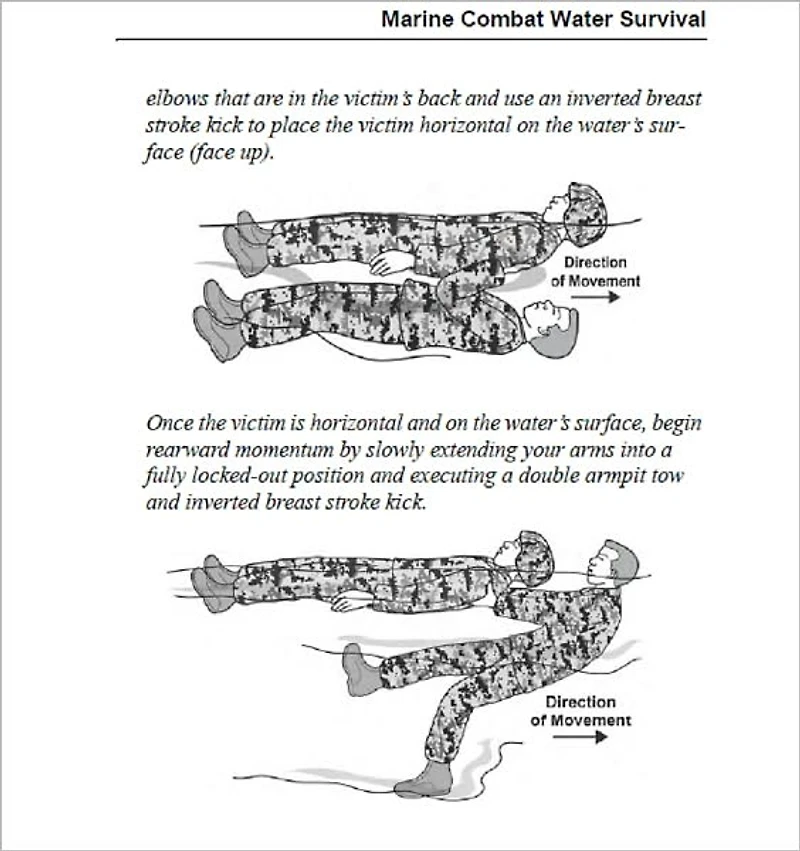
U.S. Marine Corps Combat Water Survival in Bloomington, MN
By Barnes & Noble
Current price: $3.00

U.S. Marine Corps Combat Water Survival in Bloomington, MN
Current price: $3.00
Loading Inventory...
Size: EBook
U.S. Marine Corps Combat Water SurvivalU.S. Marine Corps Combat Water Survival, provides combat water survival techniques, procedures, and training standards. This publication also teaches Marines to cross water obstacles and perform water rescues correctly and safely.This publication is the foundation for teaching Marines correct water survival techniques and procedures that are used throughout the Marine combat water survival program (MCWSP). Once an individual or a unit has completed the MCWSP, this publicationcan be used as a refresher course before water operations.Table of ContentsChapter 1. Survival at SeaAbandoning Ship 1-2Jettisoning Equipment1-2Abandoning Ship Technique 1-3Modified Abandoning Ship Technique 1-6Surface Burning Oil Swim.1-9Surviving With a Pack 1-11Preparing Equipment1-12Tying Waterproof/Plastic Bags.1-13Packing the Pack 1-13Swimming With the Pack.1-13Staying Afloat With a Life Preserver .1-15Inherently Buoyant Life Preservers .1-15Inflatable Life Preservers .1-15Staying Afloat Without a Life Preserver 1-18Floating With an Inflated Blouse .1-18Floating With Inflated Trousers .1-20Sling Method .1-20Splash Method .1-26Blow Method .1-32Avoiding Heat Loss in Cold Water.1-36Individual Protection From the Cold1-37Group Protection From the Cold1-38Drownproofing Methods 1-39Crawl Stroke.1-40T-Method1-44The Sweep1-46Breast Stroke.1-48Side Stroke1-52Elementary Backstroke.1-57Chapter 2. Water RescuesReaching Rescue Techniques2-2Reach 2-2Reach From a Deck 2-3Arm Extension2-3Leg Extension.2-4Wading Assist .2-4Throw .2-5Lifesaving Approaches .2-7Front Surface Approach .2-7Rear Approach2-7Approach Strokes2-8Crawl Stroke Approach Stroke.2-8Breast Stroke Approach Stroke 2-11Level Offs .2-13Front Surface Approach .2-13Single Armpit Level Off 2-14Double Armpit Level Off .2-16Rescue Techniques2-18Wrist Tow .2-18Single Armpit Tow .2-19Double Armpit Tow2-21Collar Tow2-22Cross-Chest Carry 2-22Tired Swimmer’s Assist .2-24Defense Against a Drowning Victim 2-25Block.2-25Wrist-Grip Escape/Wrist-Grip Escape Alternative.2-26Front Head-Hold Escape 2-27Rear Head-Hold Escape .2-29Administering First Aid/Rescue Breathing 2-31Chapter 3. Treatment of Casualtiesand Avoidance of Dangerous Marine LifeDrowning3-1Symptoms.3-1Treatment .3-2Hypothermia .3-2Symptoms.3-4Survival Time.3-4Treatment .3-4Heat-Related Injuries3-6Burns.3-7Common Medical ProblemsAssociated with Sea Survival .3-8Seasickness.3-8Saltwater Sores.3-8Blindness/Headache .3-9Constipation .3-9Sunburn and Dehydration 3-9Dangerous Marine Life.3-10Sharks and Barracudas . 3-11Sea Snakes3-12Poisonous Fish .3-12Turtles and Moray Eels 3-12Corals .3-12Jellyfish, Portuguese Man-of-War,Anemones, and Others .3-12Spiny Fish, Urchins, Stingrays, and Cone Shells.3-13viChapter 4. Negotiating Water ObstaclesTides4-1Surf4-2Plunging Waves 4-3Spilling Waves4-4Surging Waves4-4Currents.4-4Offshore Currents .4-4Rip Currents4-5Littoral Currents .4-5Back Bays .4-6Rivers and Canals .4-6Chapter 5. Fording WaterwaysSelection of a Ford Site.5-1Determine the Slope .5-2Clinometer5-2Map 5-3Line of Sight and Pace .5-3Determine the Current Speed .5-4Measure River Width5-5Calculate Downstream Drift.5-6The Buddy System5-7Water Crossings 5-8Care of Weapons.5-8ISOMAT Raft .5-9Poncho Raft 5-10Construction of a Pack Raft5-12Single-Rope Bridge 5-13High and Dry Crossings .5-17viiSwift Current Crossings .5-18Slow Current Crossings5-19Removal .5-19Appendix. Knot TyingSquare Knot Appendix-1Bowline. Appendix-2Hitches Appendix-2Half Hitch. Appendix-2Two Half Hitches . Appendix-3Round Turn and Two Half Hitches Appendix-3Butterfly Knot Appendix-4
U.S. Marine Corps Combat Water SurvivalU.S. Marine Corps Combat Water Survival, provides combat water survival techniques, procedures, and training standards. This publication also teaches Marines to cross water obstacles and perform water rescues correctly and safely.This publication is the foundation for teaching Marines correct water survival techniques and procedures that are used throughout the Marine combat water survival program (MCWSP). Once an individual or a unit has completed the MCWSP, this publicationcan be used as a refresher course before water operations.Table of ContentsChapter 1. Survival at SeaAbandoning Ship 1-2Jettisoning Equipment1-2Abandoning Ship Technique 1-3Modified Abandoning Ship Technique 1-6Surface Burning Oil Swim.1-9Surviving With a Pack 1-11Preparing Equipment1-12Tying Waterproof/Plastic Bags.1-13Packing the Pack 1-13Swimming With the Pack.1-13Staying Afloat With a Life Preserver .1-15Inherently Buoyant Life Preservers .1-15Inflatable Life Preservers .1-15Staying Afloat Without a Life Preserver 1-18Floating With an Inflated Blouse .1-18Floating With Inflated Trousers .1-20Sling Method .1-20Splash Method .1-26Blow Method .1-32Avoiding Heat Loss in Cold Water.1-36Individual Protection From the Cold1-37Group Protection From the Cold1-38Drownproofing Methods 1-39Crawl Stroke.1-40T-Method1-44The Sweep1-46Breast Stroke.1-48Side Stroke1-52Elementary Backstroke.1-57Chapter 2. Water RescuesReaching Rescue Techniques2-2Reach 2-2Reach From a Deck 2-3Arm Extension2-3Leg Extension.2-4Wading Assist .2-4Throw .2-5Lifesaving Approaches .2-7Front Surface Approach .2-7Rear Approach2-7Approach Strokes2-8Crawl Stroke Approach Stroke.2-8Breast Stroke Approach Stroke 2-11Level Offs .2-13Front Surface Approach .2-13Single Armpit Level Off 2-14Double Armpit Level Off .2-16Rescue Techniques2-18Wrist Tow .2-18Single Armpit Tow .2-19Double Armpit Tow2-21Collar Tow2-22Cross-Chest Carry 2-22Tired Swimmer’s Assist .2-24Defense Against a Drowning Victim 2-25Block.2-25Wrist-Grip Escape/Wrist-Grip Escape Alternative.2-26Front Head-Hold Escape 2-27Rear Head-Hold Escape .2-29Administering First Aid/Rescue Breathing 2-31Chapter 3. Treatment of Casualtiesand Avoidance of Dangerous Marine LifeDrowning3-1Symptoms.3-1Treatment .3-2Hypothermia .3-2Symptoms.3-4Survival Time.3-4Treatment .3-4Heat-Related Injuries3-6Burns.3-7Common Medical ProblemsAssociated with Sea Survival .3-8Seasickness.3-8Saltwater Sores.3-8Blindness/Headache .3-9Constipation .3-9Sunburn and Dehydration 3-9Dangerous Marine Life.3-10Sharks and Barracudas . 3-11Sea Snakes3-12Poisonous Fish .3-12Turtles and Moray Eels 3-12Corals .3-12Jellyfish, Portuguese Man-of-War,Anemones, and Others .3-12Spiny Fish, Urchins, Stingrays, and Cone Shells.3-13viChapter 4. Negotiating Water ObstaclesTides4-1Surf4-2Plunging Waves 4-3Spilling Waves4-4Surging Waves4-4Currents.4-4Offshore Currents .4-4Rip Currents4-5Littoral Currents .4-5Back Bays .4-6Rivers and Canals .4-6Chapter 5. Fording WaterwaysSelection of a Ford Site.5-1Determine the Slope .5-2Clinometer5-2Map 5-3Line of Sight and Pace .5-3Determine the Current Speed .5-4Measure River Width5-5Calculate Downstream Drift.5-6The Buddy System5-7Water Crossings 5-8Care of Weapons.5-8ISOMAT Raft .5-9Poncho Raft 5-10Construction of a Pack Raft5-12Single-Rope Bridge 5-13High and Dry Crossings .5-17viiSwift Current Crossings .5-18Slow Current Crossings5-19Removal .5-19Appendix. Knot TyingSquare Knot Appendix-1Bowline. Appendix-2Hitches Appendix-2Half Hitch. Appendix-2Two Half Hitches . Appendix-3Round Turn and Two Half Hitches Appendix-3Butterfly Knot Appendix-4
Shop Similar Products









Find at Mall of America® in Bloomington, MN
Visit at Mall of America® in Bloomington, MN