


Home
Unmaking the Bomb: Environmental Cleanup and Politics of Impossibility
Barnes and Noble
Loading Inventory...
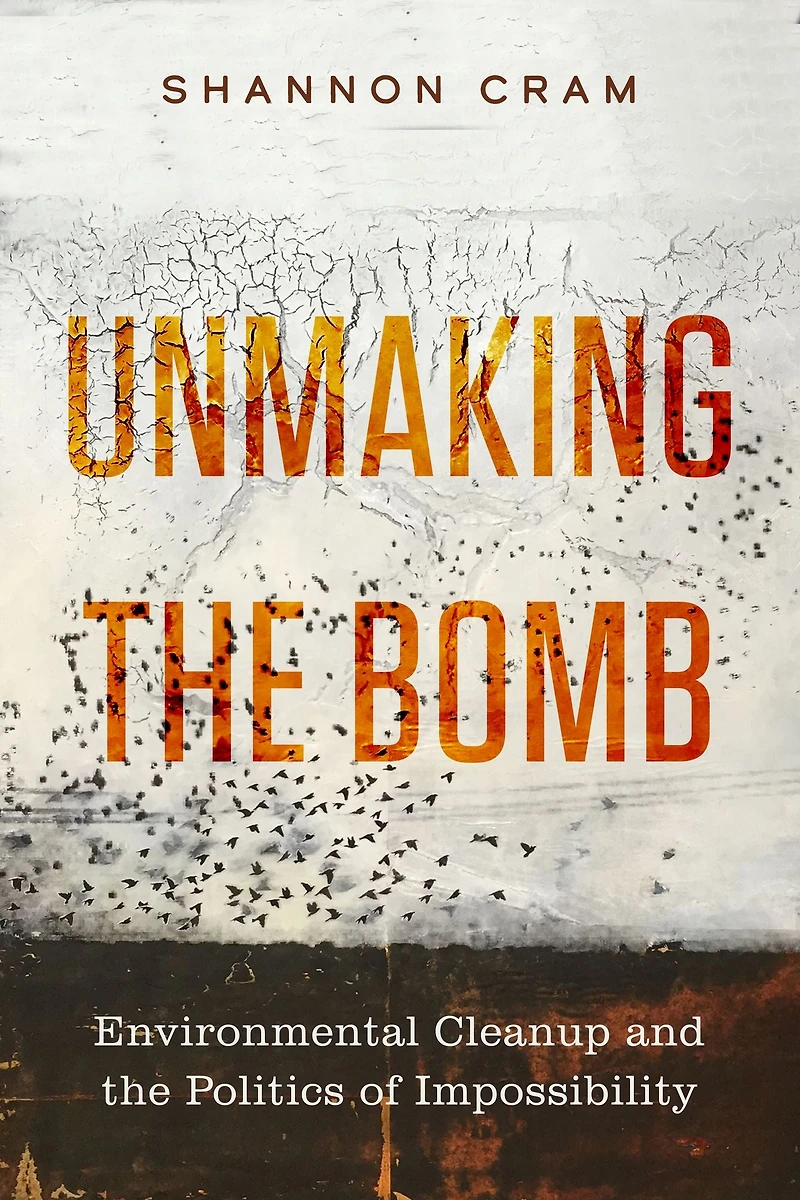
Unmaking the Bomb: Environmental Cleanup and Politics of Impossibility in Bloomington, MN
By Barnes & Noble
Current price: $29.95

Unmaking the Bomb: Environmental Cleanup and Politics of Impossibility in Bloomington, MN
Current price: $29.95
Loading Inventory...
Size: EBook
"A powerfully researched and important look at the ravages of nuclear waste remediation."—One of the Best Indie Books of 2023, Kirkus Reviews What does it mean to reckon with a contaminated world? In Unmaking the Bomb, Shannon Cram considers the complex social politics of this question and the regulatory infrastructures designed to answer it. Blending history, ethnography, and memoir, she investigates remediation efforts at the Hanford Nuclear Reservation, a former weapons complex in Washington State. Home to the majority of the nation's highlevel nuclear waste and its largest environmental cleanup, Hanford is tasked with managing toxic materials that will long outlast the United States and its institutional capacities. Cram examines the embodied uncertainties and structural impossibilities integral to that endeavor. In particular, this lyrical book engages in a kind of narrative contamination, toggling back and forth between cleanup's administrative frames and the stories that overspill them. It spends time with the statistical people that inhabit cleanup's metrics and models and the nonstatistical people that live with their effects. And, in the process, it explores the uneven social relations that make toxicity a normative condition.
"A powerfully researched and important look at the ravages of nuclear waste remediation."—One of the Best Indie Books of 2023, Kirkus Reviews What does it mean to reckon with a contaminated world? In Unmaking the Bomb, Shannon Cram considers the complex social politics of this question and the regulatory infrastructures designed to answer it. Blending history, ethnography, and memoir, she investigates remediation efforts at the Hanford Nuclear Reservation, a former weapons complex in Washington State. Home to the majority of the nation's highlevel nuclear waste and its largest environmental cleanup, Hanford is tasked with managing toxic materials that will long outlast the United States and its institutional capacities. Cram examines the embodied uncertainties and structural impossibilities integral to that endeavor. In particular, this lyrical book engages in a kind of narrative contamination, toggling back and forth between cleanup's administrative frames and the stories that overspill them. It spends time with the statistical people that inhabit cleanup's metrics and models and the nonstatistical people that live with their effects. And, in the process, it explores the uneven social relations that make toxicity a normative condition.
Shop Similar Products







Find at Mall of America® in Bloomington, MN
Visit at Mall of America® in Bloomington, MN