


Home
Uneven Futures: Strategies for Community Survival from Speculative Fiction
Barnes and Noble
Loading Inventory...
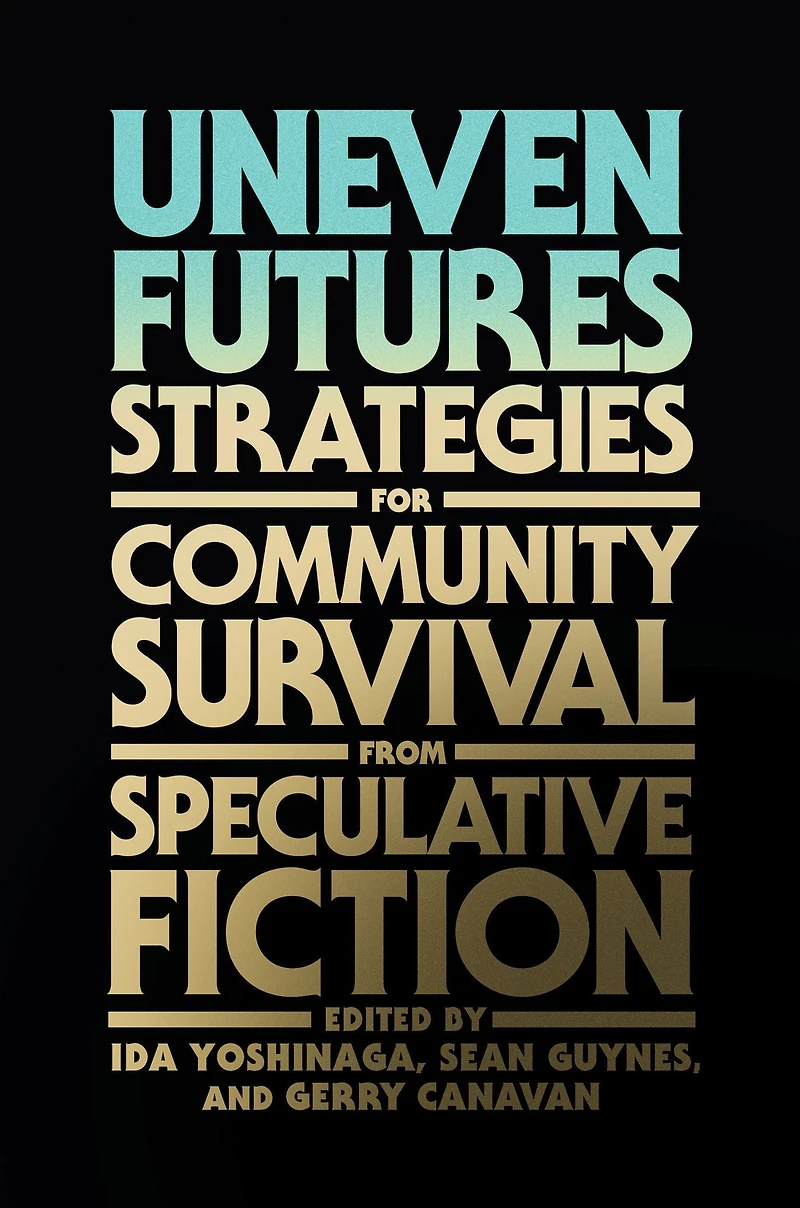
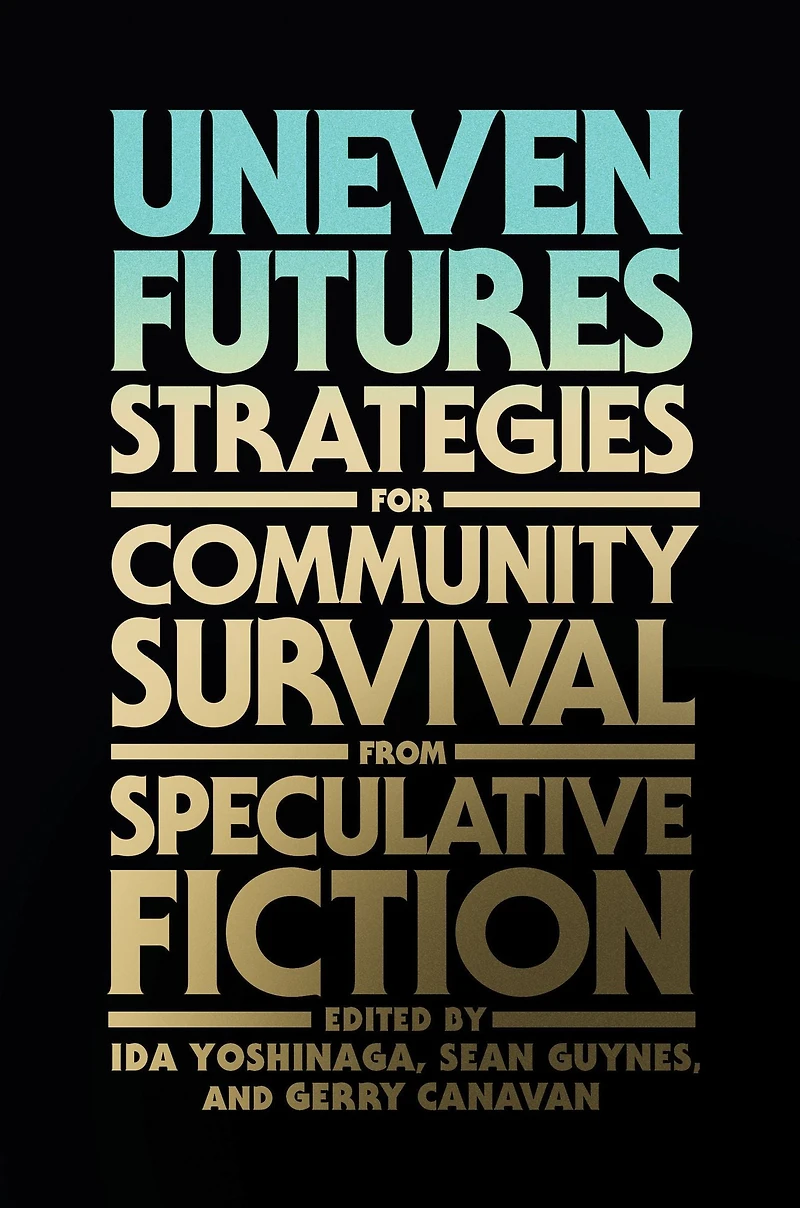
Uneven Futures: Strategies for Community Survival from Speculative Fiction in Bloomington, MN
By Barnes & Noble
Current price: $21.99

Uneven Futures: Strategies for Community Survival from Speculative Fiction in Bloomington, MN
Current price: $21.99
Loading Inventory...
Size: EBook
The explosion in speculative/science fiction (SF) across different media from the late twentieth century to the present has compelled those in the field of SF studies to rethink the community's identity, orientation, and stakes. In this edited collection, more than forty writers, critics, game designers scholars, and activists explore core SF texts, with an eye toward a future in which corporations dominate both the means of production and the means of distribution and governments rely on powerful surveillance and carceral technologies. The essays, international in scope, demonstrate the diversity of SF through a balance of popular mass-market novels, comics, films, games TV shows, creepy pastas, and more niche works. SF works explored range from Riot Baby by Tochi Onyebuchi, 2084: The End of the World by Boualem Sansal, Terra Nullius by Claire Coleman, Watchmen and X-Men comics, and the Marvel film Captain America: The Winter Soldier, to the MaddAddam trilogy by Margaret Atwood, The Dispossessed by Ursula K. Le Guin, The Wandering Earth by Liu Cixin, and the Wormwood trilogy by Tade Thompson. In an era in which ecological disaster and global pandemics regularly expose and intensify deep political-economic inequalities, what futures has SF anticipated? What survival strategies has it provided us? Can it help us deal with, and grow beyond, the inequalities and injustices of our times?
The explosion in speculative/science fiction (SF) across different media from the late twentieth century to the present has compelled those in the field of SF studies to rethink the community's identity, orientation, and stakes. In this edited collection, more than forty writers, critics, game designers scholars, and activists explore core SF texts, with an eye toward a future in which corporations dominate both the means of production and the means of distribution and governments rely on powerful surveillance and carceral technologies. The essays, international in scope, demonstrate the diversity of SF through a balance of popular mass-market novels, comics, films, games TV shows, creepy pastas, and more niche works. SF works explored range from Riot Baby by Tochi Onyebuchi, 2084: The End of the World by Boualem Sansal, Terra Nullius by Claire Coleman, Watchmen and X-Men comics, and the Marvel film Captain America: The Winter Soldier, to the MaddAddam trilogy by Margaret Atwood, The Dispossessed by Ursula K. Le Guin, The Wandering Earth by Liu Cixin, and the Wormwood trilogy by Tade Thompson. In an era in which ecological disaster and global pandemics regularly expose and intensify deep political-economic inequalities, what futures has SF anticipated? What survival strategies has it provided us? Can it help us deal with, and grow beyond, the inequalities and injustices of our times?
Shop Similar Products












Find at Mall of America® in Bloomington, MN
Visit at Mall of America® in Bloomington, MN