


Home
Tsze Teen Piao Muh, A Guide to the Dictionary
Barnes and Noble
Loading Inventory...
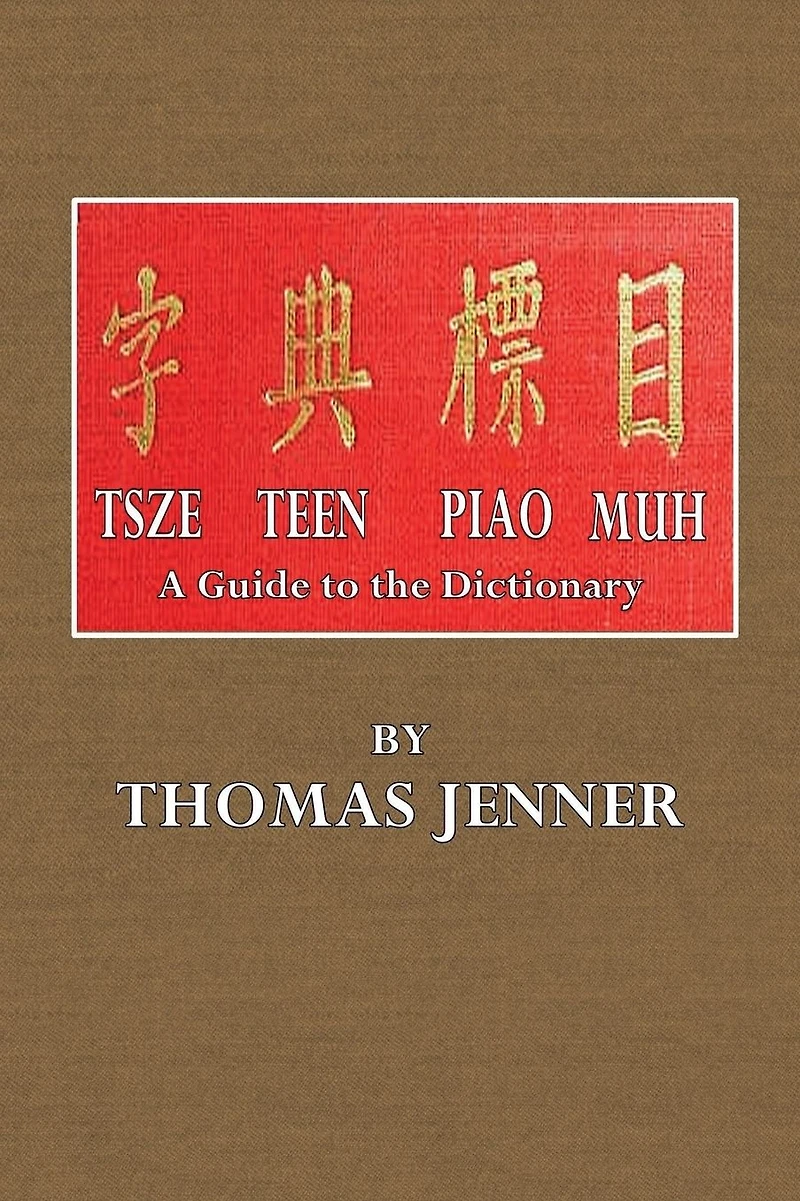
Tsze Teen Piao Muh, A Guide to the Dictionary in Bloomington, MN
By Barnes & Noble
Current price: $7.99

Tsze Teen Piao Muh, A Guide to the Dictionary in Bloomington, MN
Current price: $7.99
Loading Inventory...
Size: Paperback
Owing to the extreme complexity of the Chinese ideographs, Western scholars are generally discouraged to grapple with them, though the importance of China, politically, commercially, in literature, or otherwise, is well recognized and commands serious attention. Therefore anything that purposes to make easier the study of the Chinese language must be welcome. Mr. Thomas Jenner, member of the China Society, offers us in this book a certain artificial method of memorising the Chinese radicals which is based upon the psychological principle of association. The principle was first applied to a practical use by William Stokes, teacher of memory, and the author has utilized it for his Chinese study, finding it very practicable. The book contains not only the list of radicals, but also the names and dates of the twenty-six Chinese dynasties and two hundred thirty-seven emperors, all numerically arranged; along with a chapter on the geography of China and its map, and followed by some other sundry matters among which an account of the Chinese swan-ben (abacus). These compose Part I of the book.The second part is devoted to the Japanese Katakana syllabary. It also contains the names of the emperors and a map of Japan.
Owing to the extreme complexity of the Chinese ideographs, Western scholars are generally discouraged to grapple with them, though the importance of China, politically, commercially, in literature, or otherwise, is well recognized and commands serious attention. Therefore anything that purposes to make easier the study of the Chinese language must be welcome. Mr. Thomas Jenner, member of the China Society, offers us in this book a certain artificial method of memorising the Chinese radicals which is based upon the psychological principle of association. The principle was first applied to a practical use by William Stokes, teacher of memory, and the author has utilized it for his Chinese study, finding it very practicable. The book contains not only the list of radicals, but also the names and dates of the twenty-six Chinese dynasties and two hundred thirty-seven emperors, all numerically arranged; along with a chapter on the geography of China and its map, and followed by some other sundry matters among which an account of the Chinese swan-ben (abacus). These compose Part I of the book.The second part is devoted to the Japanese Katakana syllabary. It also contains the names of the emperors and a map of Japan.
Shop Similar Products















Find at Mall of America® in Bloomington, MN
Visit at Mall of America® in Bloomington, MN