


Home
Tribes and the State Libya Iraq: From Nationalist Era to New Order
Barnes and Noble
Loading Inventory...
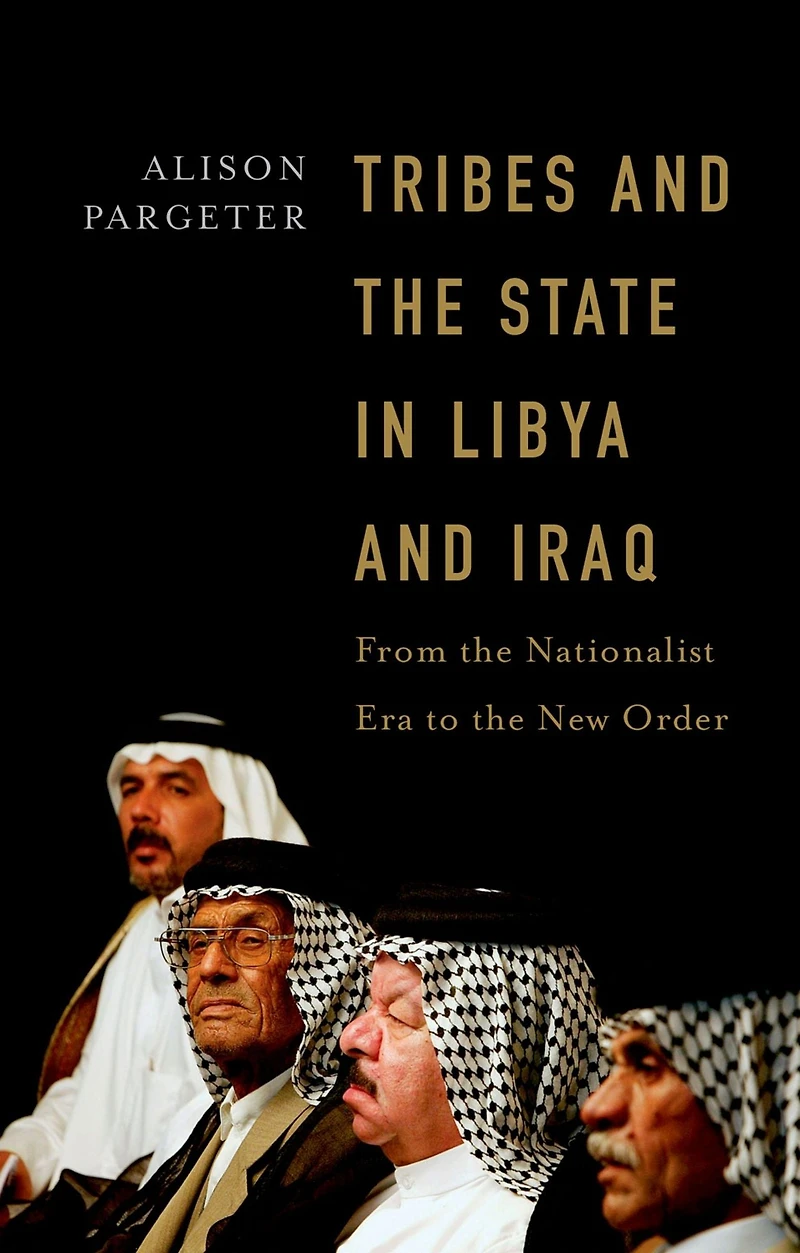

Tribes and the State Libya Iraq: From Nationalist Era to New Order in Bloomington, MN
By Barnes & Noble
Current price: $45.99

Tribes and the State Libya Iraq: From Nationalist Era to New Order in Bloomington, MN
Current price: $45.99
Loading Inventory...
Size: EBook
Regime change in Libya (2011) and Iraq (2003) catapulted a host of sub-state actors to the fore, including tribes, which have emerged as influential political, security and social actors. But despite this increased role and visibility, tribes remain poorly understood. Often mistakenly associated with the 'periphery' or with 'pre-national' or 'pre-modern' forms of political organisation, they are routinely portrayed as the antithesis of the state. Yet tribesthe Middle East's oldest, most enduring and most controversial social entitieshave proved able to adapt and evolve, entering into mutually beneficial relationships with various regimes.Based on interviews with tribal sheikhs, tribal representatives and other stakeholders, Alison Pargeter traces the role of the tribe in Libya and Iraq from the revolutionary nationalist period into the fraught transitions that followed. She reveals how tribes have succeeded in developing a presence in national and local political structures; how they have engaged and bargained with major powerbrokers; and how they have become important security providers in their own right. Contrary to modernist approaches seeking to write the obituary of the tribe, this book shows how tribes have not only survived in Libya and Iraq, but remain a key component of the state in both countries.
Regime change in Libya (2011) and Iraq (2003) catapulted a host of sub-state actors to the fore, including tribes, which have emerged as influential political, security and social actors. But despite this increased role and visibility, tribes remain poorly understood. Often mistakenly associated with the 'periphery' or with 'pre-national' or 'pre-modern' forms of political organisation, they are routinely portrayed as the antithesis of the state. Yet tribesthe Middle East's oldest, most enduring and most controversial social entitieshave proved able to adapt and evolve, entering into mutually beneficial relationships with various regimes.Based on interviews with tribal sheikhs, tribal representatives and other stakeholders, Alison Pargeter traces the role of the tribe in Libya and Iraq from the revolutionary nationalist period into the fraught transitions that followed. She reveals how tribes have succeeded in developing a presence in national and local political structures; how they have engaged and bargained with major powerbrokers; and how they have become important security providers in their own right. Contrary to modernist approaches seeking to write the obituary of the tribe, this book shows how tribes have not only survived in Libya and Iraq, but remain a key component of the state in both countries.
Shop Similar Products


















Find at Mall of America® in Bloomington, MN
Visit at Mall of America® in Bloomington, MN