


Home
Transnational Nazism: Ideology and Culture German-Japanese Relations, 1919-1936
Barnes and Noble
Loading Inventory...
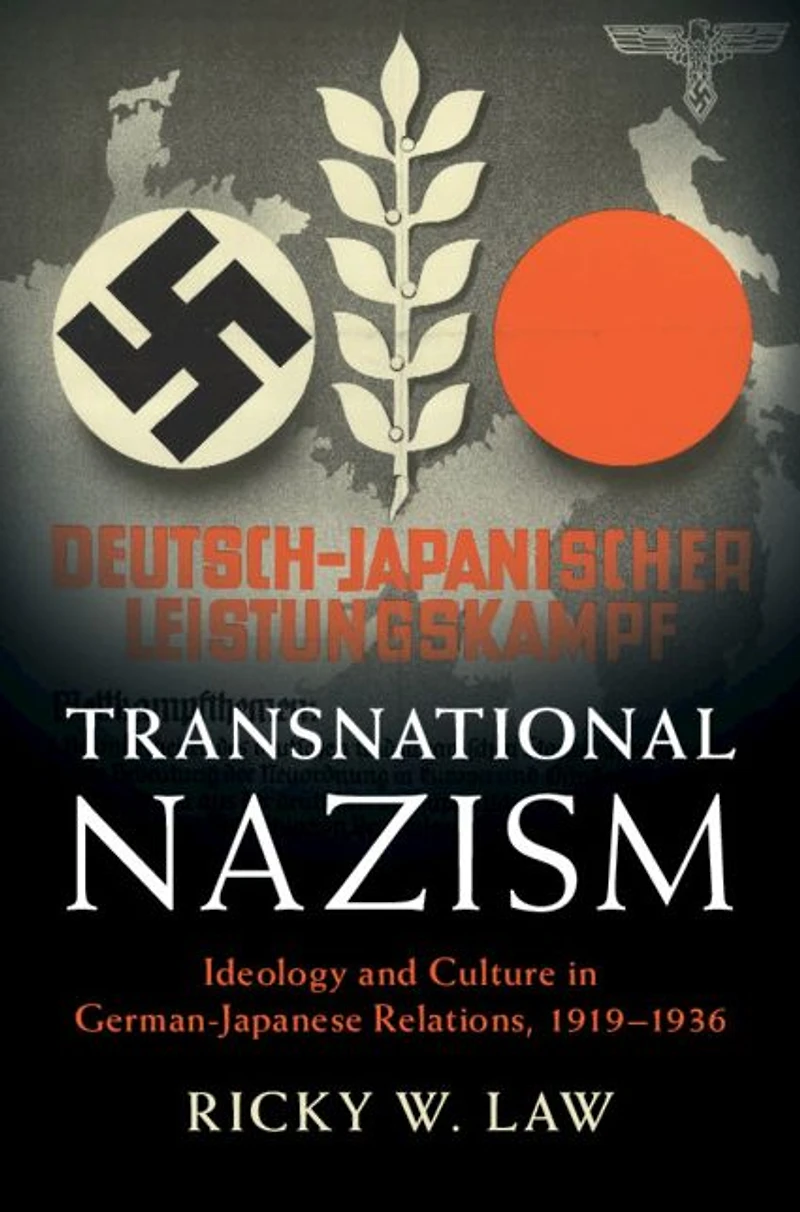
Transnational Nazism: Ideology and Culture German-Japanese Relations, 1919-1936 in Bloomington, MN
By Barnes & Noble
Current price: $39.00

Transnational Nazism: Ideology and Culture German-Japanese Relations, 1919-1936 in Bloomington, MN
Current price: $39.00
Loading Inventory...
Size: EBook
In 1936, Nazi Germany and militarist Japan built a partnership which culminated in the Tokyo-Berlin Axis. This study of interwar German-Japanese relations is the first to employ sources in both languages. Transnational Nazism was an ideological and cultural outlook that attracted non-Germans to become adherents of Hitler and National Socialism, and convinced German Nazis to identify with certain non-Aryans. Because of the distance between Germany and Japan, mass media was instrumental in shaping mutual perceptions and spreading transnational Nazism. This work surveys the two national media to examine the impact of transnational Nazism. When Hitler and the Nazi movement gained prominence, Japanese newspapers, lectures and pamphlets, nonfiction, and language textbooks transformed to promote the man and his party. Meanwhile, the ascendancy of Hitler and his regime created a niche for Japan in the Nazi worldview and Nazified newspapers, films, nonfiction, and voluntary associations.
In 1936, Nazi Germany and militarist Japan built a partnership which culminated in the Tokyo-Berlin Axis. This study of interwar German-Japanese relations is the first to employ sources in both languages. Transnational Nazism was an ideological and cultural outlook that attracted non-Germans to become adherents of Hitler and National Socialism, and convinced German Nazis to identify with certain non-Aryans. Because of the distance between Germany and Japan, mass media was instrumental in shaping mutual perceptions and spreading transnational Nazism. This work surveys the two national media to examine the impact of transnational Nazism. When Hitler and the Nazi movement gained prominence, Japanese newspapers, lectures and pamphlets, nonfiction, and language textbooks transformed to promote the man and his party. Meanwhile, the ascendancy of Hitler and his regime created a niche for Japan in the Nazi worldview and Nazified newspapers, films, nonfiction, and voluntary associations.
Shop Similar Products

















Find at Mall of America® in Bloomington, MN
Visit at Mall of America® in Bloomington, MN