


Home
Transforming Ethnomusicology Volume II: Political, Social & Ecological Issues
Barnes and Noble
Loading Inventory...
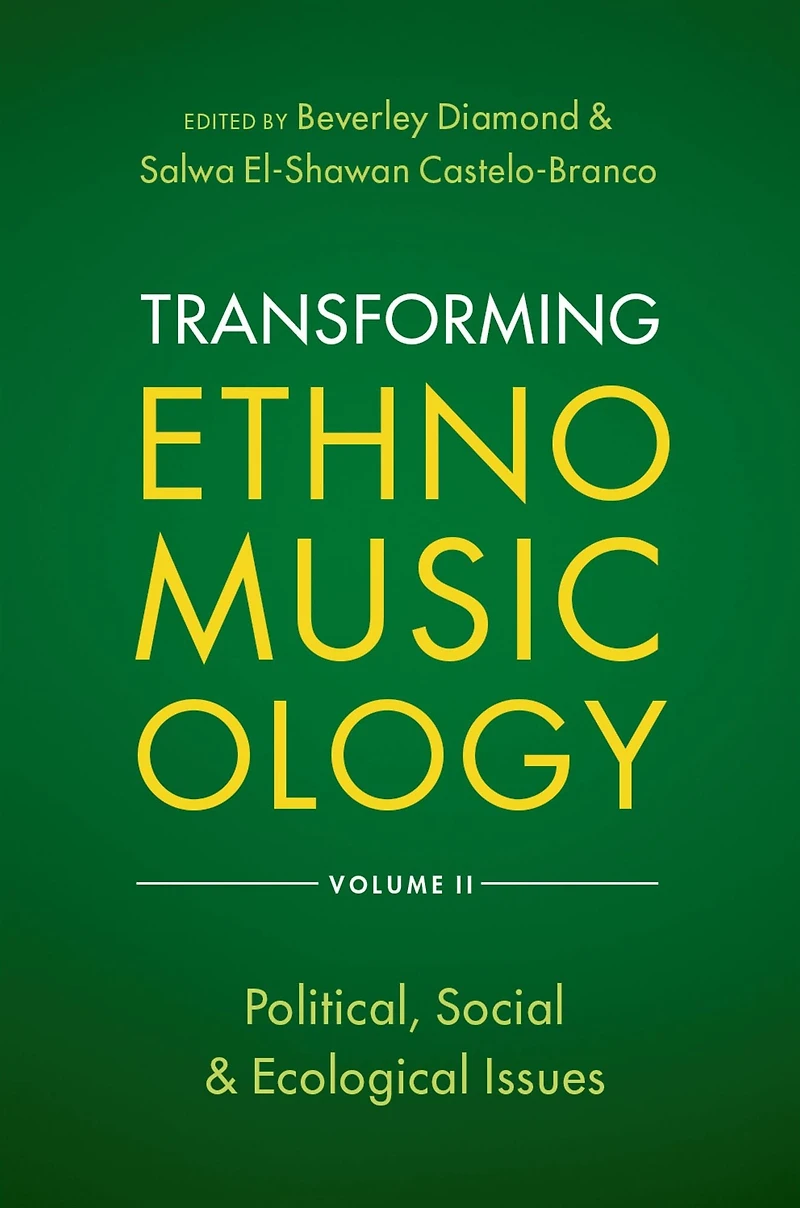
Transforming Ethnomusicology Volume II: Political, Social & Ecological Issues in Bloomington, MN
By Barnes & Noble
Current price: $21.99

Transforming Ethnomusicology Volume II: Political, Social & Ecological Issues in Bloomington, MN
Current price: $21.99
Loading Inventory...
Size: EBook
For decades, ethnomusicologists across the world have considered how to affect positive change for the communities they work with. Through illuminating case studies and reflections by a diverse array of scholars and practitioners, Transforming Ethnomusicology aims to both expand dialogues about social engagement within ethnomusicology and, at the same time, transform how we understand ethnomusicology as a discipline.The second volume of Transforming Ethnomusicology takes as a point of departure the recognition that colonial and environmental damages are grounded in historical and institutional failures to respect the land and its peoples. Featuring Indigenous and other perspectives from Brazil, North America, Australia, Africa, and Europe this volume critically engages with how ethnomusicologists can support marginalized communities in sustaining their musical knowledge and threatened geographies.
For decades, ethnomusicologists across the world have considered how to affect positive change for the communities they work with. Through illuminating case studies and reflections by a diverse array of scholars and practitioners, Transforming Ethnomusicology aims to both expand dialogues about social engagement within ethnomusicology and, at the same time, transform how we understand ethnomusicology as a discipline.The second volume of Transforming Ethnomusicology takes as a point of departure the recognition that colonial and environmental damages are grounded in historical and institutional failures to respect the land and its peoples. Featuring Indigenous and other perspectives from Brazil, North America, Australia, Africa, and Europe this volume critically engages with how ethnomusicologists can support marginalized communities in sustaining their musical knowledge and threatened geographies.
Shop Similar Products














Find at Mall of America® in Bloomington, MN
Visit at Mall of America® in Bloomington, MN