


Home
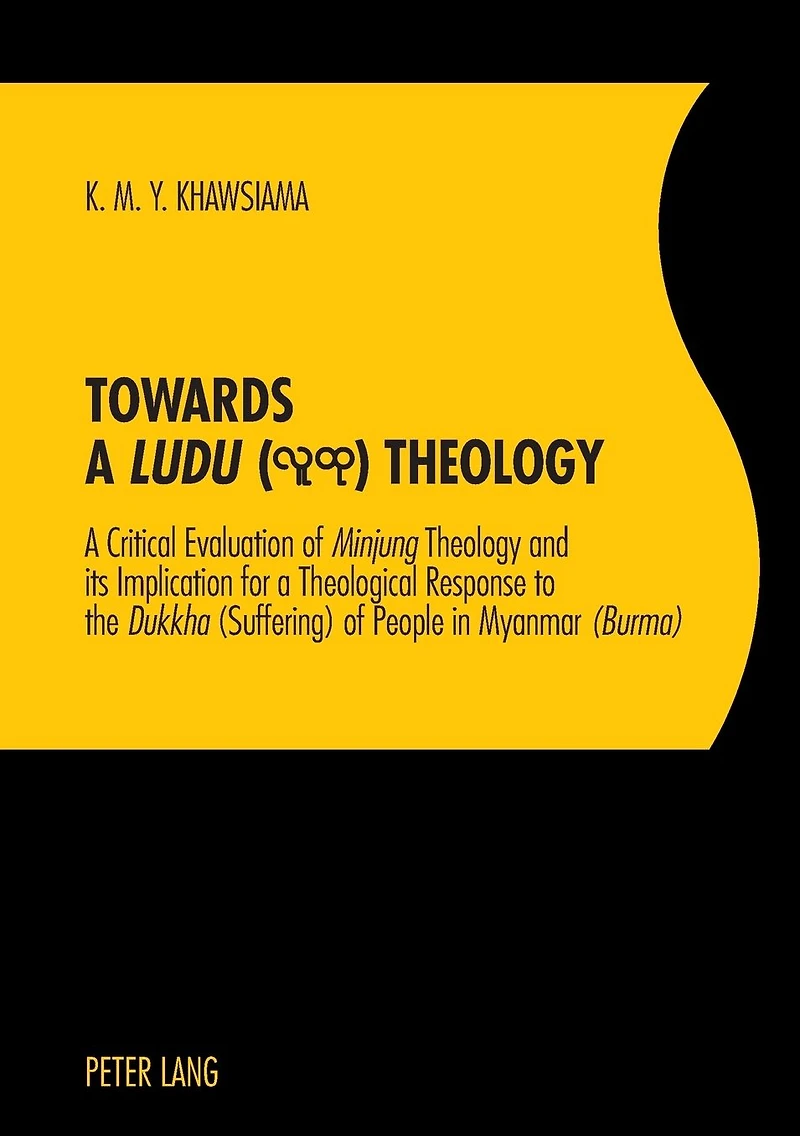
Towards a «Ludu» Theology: A Critical Evaluation of «Minjung»Theology and its Implication for a Theological Response to the «Dukkha»(Suffering) of People in Myanmar «(Burma)»
Barnes and Noble
Loading Inventory...
Towards a «Ludu» Theology: A Critical Evaluation of «Minjung»Theology and its Implication for a Theological Response to the «Dukkha»(Suffering) of People in Myanmar «(Burma)» in Bloomington, MN
By Barnes & Noble
Current price: $109.25

Towards a «Ludu» Theology: A Critical Evaluation of «Minjung»Theology and its Implication for a Theological Response to the «Dukkha»(Suffering) of People in Myanmar «(Burma)» in Bloomington, MN
Current price: $109.25
Loading Inventory...
Size: Paperback
This book attempts to develop a theological response to the suffering of people in Myanmar (Burma). For this purpose, a Burmese word Ludu is used to indicate the common people and a Buddhist term Dukkha will be employed to refer to their suffering. We can see the Ludu as a dukkharidden people in Myanmar context. Why do they suffer? Is their suffering the root cause of sin or the consequence of kamma – one’s deed, word or thought? As a Buddhistdominated country, how do Buddhists respond their suffering? What about Christian minority’s response to this harsh situation? Can the Ludu, both Christians and Buddhists, see how God is revealed in the midst of their suffering? In terms of suffering under oppression, Minjung (people/mass) in the Korean context is somewhat similar to the situation of the Ludu in Myanmar. In the 1970s, Minjung theology emerged during the era of military dictatorship in South Korea. How can Minjung theology be relevant for evolving a Ludu theology in Myanmar?
This book attempts to develop a theological response to the suffering of people in Myanmar (Burma). For this purpose, a Burmese word Ludu is used to indicate the common people and a Buddhist term Dukkha will be employed to refer to their suffering. We can see the Ludu as a dukkharidden people in Myanmar context. Why do they suffer? Is their suffering the root cause of sin or the consequence of kamma – one’s deed, word or thought? As a Buddhistdominated country, how do Buddhists respond their suffering? What about Christian minority’s response to this harsh situation? Can the Ludu, both Christians and Buddhists, see how God is revealed in the midst of their suffering? In terms of suffering under oppression, Minjung (people/mass) in the Korean context is somewhat similar to the situation of the Ludu in Myanmar. In the 1970s, Minjung theology emerged during the era of military dictatorship in South Korea. How can Minjung theology be relevant for evolving a Ludu theology in Myanmar?
Shop Similar Products










Find at Mall of America® in Bloomington, MN
Visit at Mall of America® in Bloomington, MN