


Home
Tourism and Poverty Alleviation Nature Conservation Areas: A Comparative Study Between Japan Vietnam
Barnes and Noble
Loading Inventory...
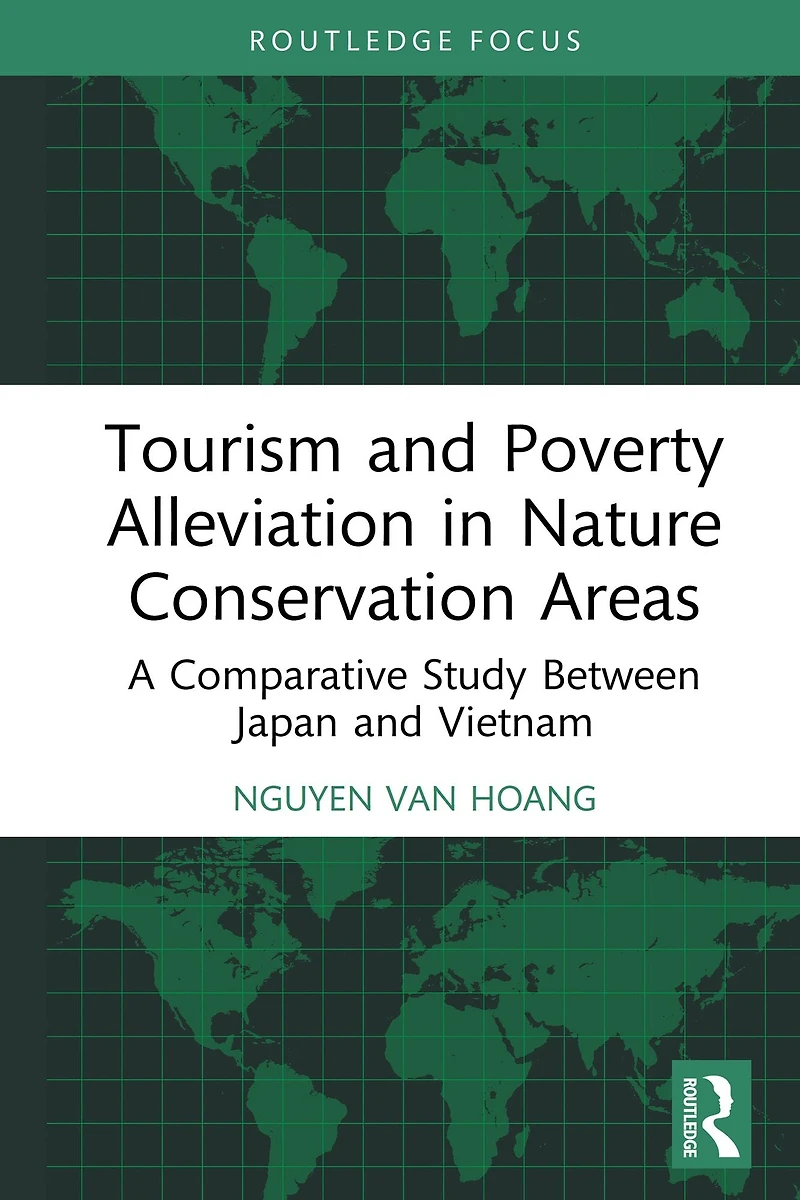
Tourism and Poverty Alleviation Nature Conservation Areas: A Comparative Study Between Japan Vietnam in Bloomington, MN
By Barnes & Noble
Current price: $33.99

Tourism and Poverty Alleviation Nature Conservation Areas: A Comparative Study Between Japan Vietnam in Bloomington, MN
Current price: $33.99
Loading Inventory...
Size: EBook
This timely book delves into the intricate relationship between tourism and poverty with a specific focus on nature conservation areas, using case studies of island economies in a developed country, Japan, and a developing one, Vietnam. The volume asserts that although the concept of pro-poor tourism has often linked tourism with poverty, limited research has examined this link from diverse perspectives, including those of developed and developing countries where poverty can understand in absolute or relative forms. Notably, the book considers the voices of local residents in these areas, particularly the impoverished living in tourist destinations in Vietnam. This is essential for influencing conservation efforts and making poverty alleviation more achievable. Readers, therefore, gain an understanding of why tourism and poverty alleviation are crucial for every economy within the context of nature conservation areas.This volume is a pivotal resource for scholars in tourism, particularly those focused on teaching and researching tourism geographies and sustainable development. It holds particular significance for scholars examining emerging nations across Asia.
This timely book delves into the intricate relationship between tourism and poverty with a specific focus on nature conservation areas, using case studies of island economies in a developed country, Japan, and a developing one, Vietnam. The volume asserts that although the concept of pro-poor tourism has often linked tourism with poverty, limited research has examined this link from diverse perspectives, including those of developed and developing countries where poverty can understand in absolute or relative forms. Notably, the book considers the voices of local residents in these areas, particularly the impoverished living in tourist destinations in Vietnam. This is essential for influencing conservation efforts and making poverty alleviation more achievable. Readers, therefore, gain an understanding of why tourism and poverty alleviation are crucial for every economy within the context of nature conservation areas.This volume is a pivotal resource for scholars in tourism, particularly those focused on teaching and researching tourism geographies and sustainable development. It holds particular significance for scholars examining emerging nations across Asia.
Shop Similar Products










Find at Mall of America® in Bloomington, MN
Visit at Mall of America® in Bloomington, MN