


Home
Thresholds: Rethinking Spirituality Through Music
Barnes and Noble
Loading Inventory...
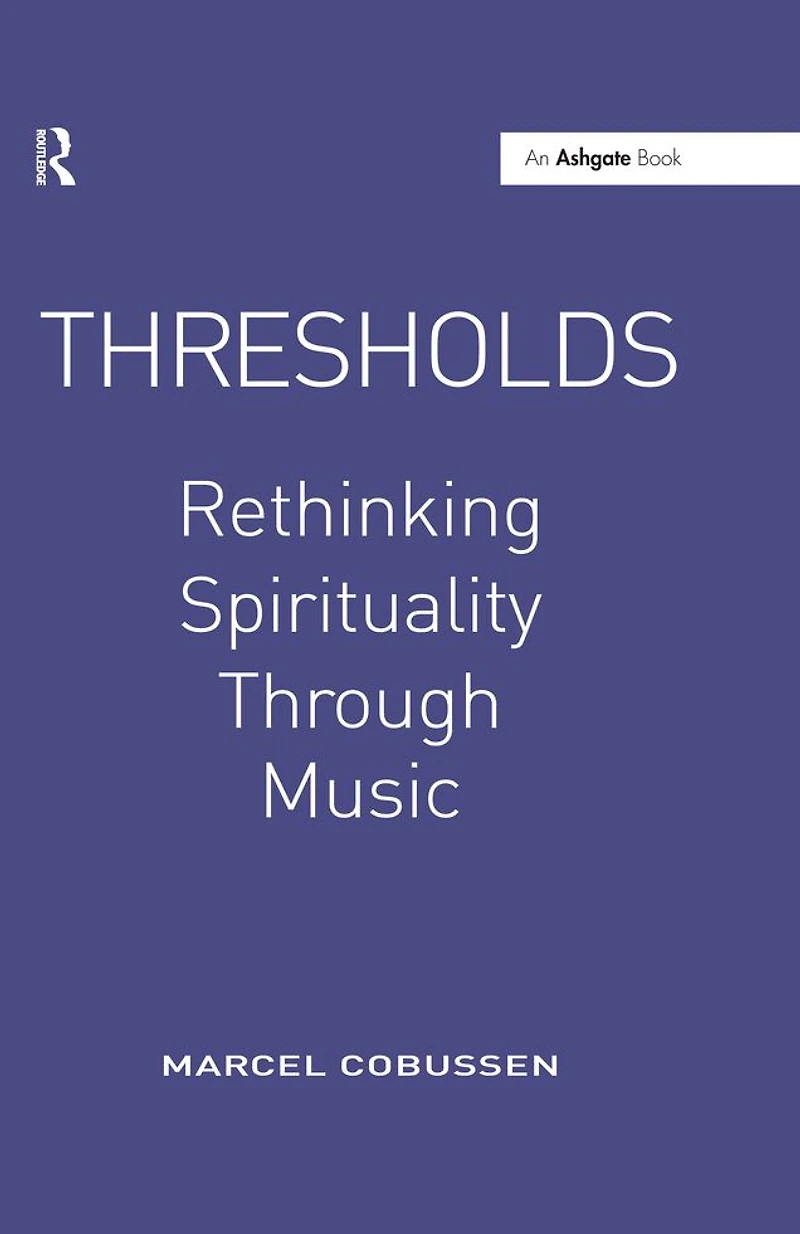
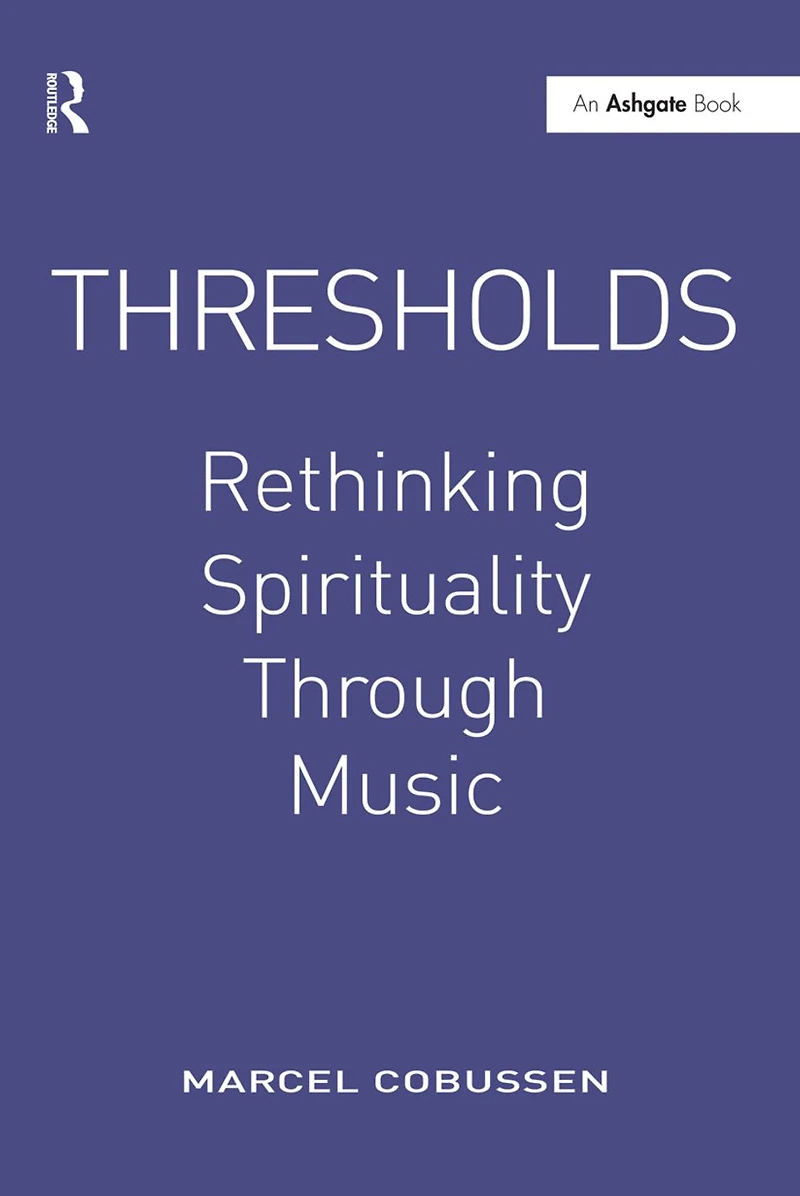
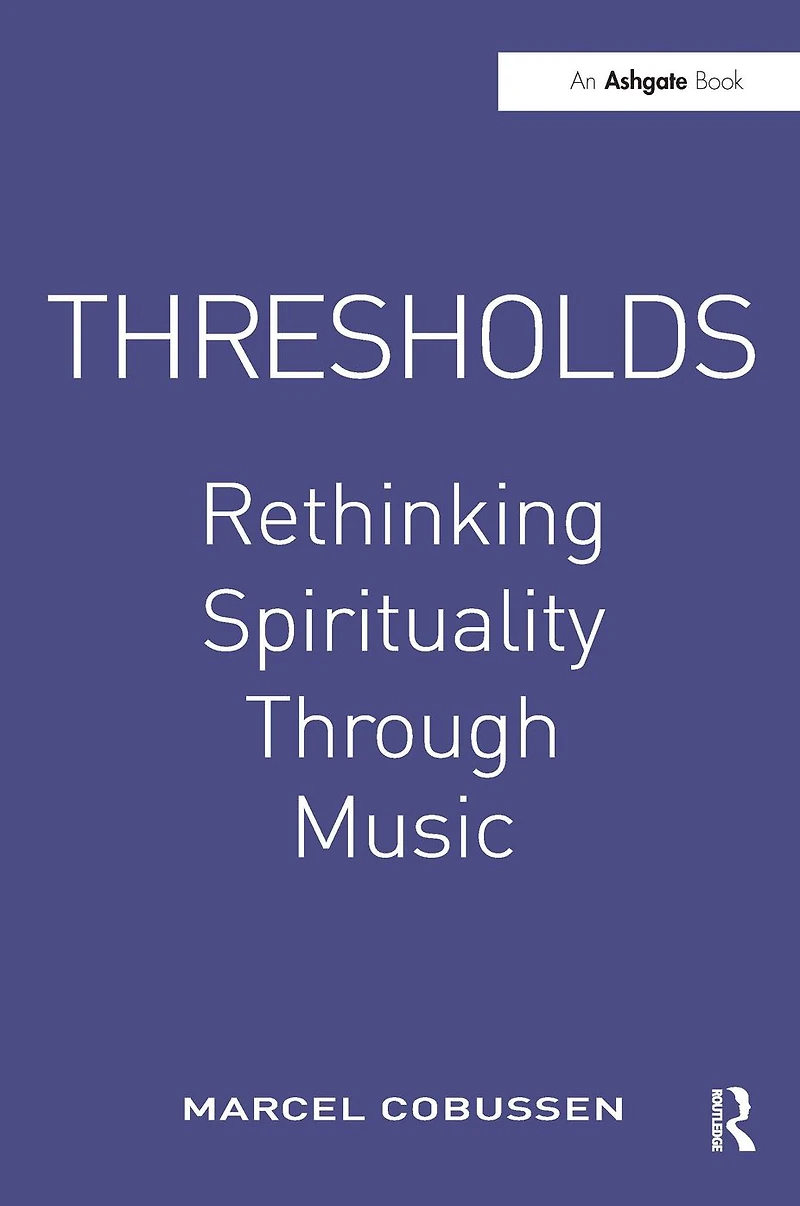
Thresholds: Rethinking Spirituality Through Music in Bloomington, MN
By Barnes & Noble
Current price: $68.99

Thresholds: Rethinking Spirituality Through Music in Bloomington, MN
Current price: $68.99
Loading Inventory...
Size: EBook
In Thresholds Marcel Cobussen rethinks the relationship between music and spirituality. The point of departure is the current movement within contemporary classical music known as New Spiritual Music, with as its main representatives Arvo Pärt, John Tavener, and Giya Kancheli. In almost all respects, the musical principles of the new spiritual music seem to be diametrically opposed to those of modernism: repetition and rest versus development and progress, tradition and familiarity versus innovation and experiment, communication versus individualism and conceptualism, tonality versus atonality, and so on. As such, this movement is often considered as part of the much larger complex called postmodernism. Joining in with ideas on spirituality as presented by Michel de Certeau and Mark C. Taylor, Cobussen deconstructs the classification of the 'spiritual dimensions' of music as described above. Thresholds presents an idea of spirituality in and through music that counters strategies of exclusion and mastering of alterity and connects it to wandering, erring, and roving. Using the philosophy of Martin Heidegger, Georges Bataille, Jean-François Lyotard, Jacques Derrida and others, and analysing the music of John Coltrane, the mythical Sirens, Arvo Pärt, and The Eagles (to mention a few), Cobussen regards spirituality as a (non)concept that escapes categorization, classification, and linguistic descriptions. Spirituality is a-topological, non-discursive and a manifestation of 'otherness'. And it is precisely music (or better: listening to music) that induces these thoughts: by carefully encountering, analysing, and evaluating certain examples from classical, jazz, pop and world music it is possible to detach spirituality from concepts of otherworldliness and transcendentalism. Thresholds opens a space in which spirituality can be connected to music that is not commonly considered in this light, thereby enriching the ways of approaching and discussing music. In order to achieve this, it is necessary to show that spirituality is not an attribute of music, not a simple adjective providing extra information or used to categorize certain types of music. Instead, the spiritual can happen through listening to music, in a more or less personalized relationship with it. This relationship might be characterized as susceptible instead of controlling, open instead of excluding, groping instead of rigid.
In Thresholds Marcel Cobussen rethinks the relationship between music and spirituality. The point of departure is the current movement within contemporary classical music known as New Spiritual Music, with as its main representatives Arvo Pärt, John Tavener, and Giya Kancheli. In almost all respects, the musical principles of the new spiritual music seem to be diametrically opposed to those of modernism: repetition and rest versus development and progress, tradition and familiarity versus innovation and experiment, communication versus individualism and conceptualism, tonality versus atonality, and so on. As such, this movement is often considered as part of the much larger complex called postmodernism. Joining in with ideas on spirituality as presented by Michel de Certeau and Mark C. Taylor, Cobussen deconstructs the classification of the 'spiritual dimensions' of music as described above. Thresholds presents an idea of spirituality in and through music that counters strategies of exclusion and mastering of alterity and connects it to wandering, erring, and roving. Using the philosophy of Martin Heidegger, Georges Bataille, Jean-François Lyotard, Jacques Derrida and others, and analysing the music of John Coltrane, the mythical Sirens, Arvo Pärt, and The Eagles (to mention a few), Cobussen regards spirituality as a (non)concept that escapes categorization, classification, and linguistic descriptions. Spirituality is a-topological, non-discursive and a manifestation of 'otherness'. And it is precisely music (or better: listening to music) that induces these thoughts: by carefully encountering, analysing, and evaluating certain examples from classical, jazz, pop and world music it is possible to detach spirituality from concepts of otherworldliness and transcendentalism. Thresholds opens a space in which spirituality can be connected to music that is not commonly considered in this light, thereby enriching the ways of approaching and discussing music. In order to achieve this, it is necessary to show that spirituality is not an attribute of music, not a simple adjective providing extra information or used to categorize certain types of music. Instead, the spiritual can happen through listening to music, in a more or less personalized relationship with it. This relationship might be characterized as susceptible instead of controlling, open instead of excluding, groping instead of rigid.
Shop Similar Products











Find at Mall of America® in Bloomington, MN
Visit at Mall of America® in Bloomington, MN