


Home
the Writing of Innocence: Blanchot and Deconstruction Christianity
Barnes and Noble
Loading Inventory...

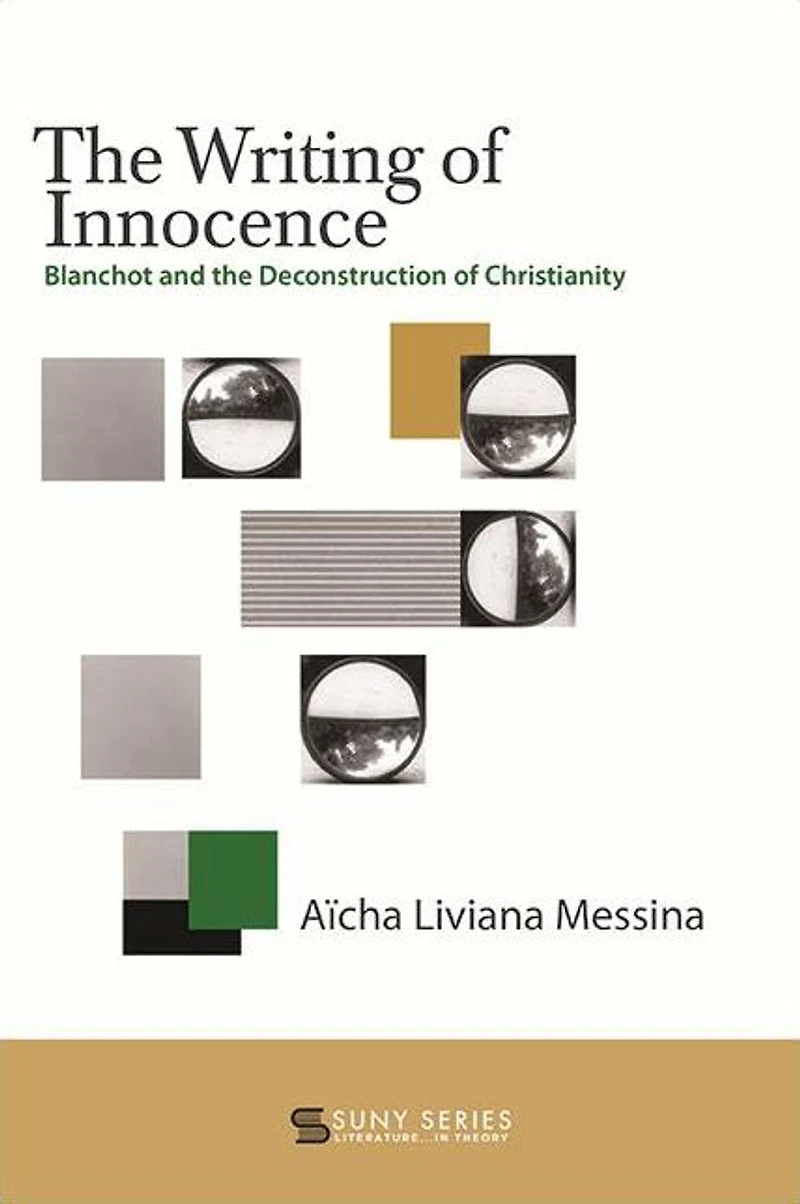
the Writing of Innocence: Blanchot and Deconstruction Christianity in Bloomington, MN
By Barnes & Noble
Current price: $36.95

the Writing of Innocence: Blanchot and Deconstruction Christianity in Bloomington, MN
Current price: $36.95
Loading Inventory...
Size: EBook
An original reading of Blanchot's thought with far-reaching philosophical and literary implications.The Writing of Innocence explores the topic of innocence and the peculiar relationship to Christianity in the writing of Maurice Blanchot. Its starting point is that innocence is not a condition relegated to a mythical past but rather one resulting from the construction of the subject in and through language. Hence, we don't lose innocence; instead, we are lost by innocence. It is an excess, not a lack. This inverted notion of innocence raises new ethical and political issues that Aïcha Liviana Messina unfolds through vigorous re-readings of a series of biblical motifs, including law, grace, and apocalypse. The closing chapter turns to the convergences and divergences between Jean-Luc Nancy's and Blanchot's understandings of the deconstruction of Christianity. With a foreword by philosopher Serge Margel, The Writing of Innocence offers a fresh perspective on Blanchot's writings in general and on his dialogue with Hegel in particular. While staging innocence in its philosophical and literary dimensions, The Writing of Innocence provides singular readings of works by Kierkegaard, Agamben, Derrida, Nancy, Camus, Hugo, and Kafka.
An original reading of Blanchot's thought with far-reaching philosophical and literary implications.The Writing of Innocence explores the topic of innocence and the peculiar relationship to Christianity in the writing of Maurice Blanchot. Its starting point is that innocence is not a condition relegated to a mythical past but rather one resulting from the construction of the subject in and through language. Hence, we don't lose innocence; instead, we are lost by innocence. It is an excess, not a lack. This inverted notion of innocence raises new ethical and political issues that Aïcha Liviana Messina unfolds through vigorous re-readings of a series of biblical motifs, including law, grace, and apocalypse. The closing chapter turns to the convergences and divergences between Jean-Luc Nancy's and Blanchot's understandings of the deconstruction of Christianity. With a foreword by philosopher Serge Margel, The Writing of Innocence offers a fresh perspective on Blanchot's writings in general and on his dialogue with Hegel in particular. While staging innocence in its philosophical and literary dimensions, The Writing of Innocence provides singular readings of works by Kierkegaard, Agamben, Derrida, Nancy, Camus, Hugo, and Kafka.








Find at Mall of America® in Bloomington, MN
Visit at Mall of America® in Bloomington, MN