


Home
The Western Perception of Islam between the Middle Ages and the Renaissance: The Work of Nicholas of Cusa
Barnes and Noble
Loading Inventory...
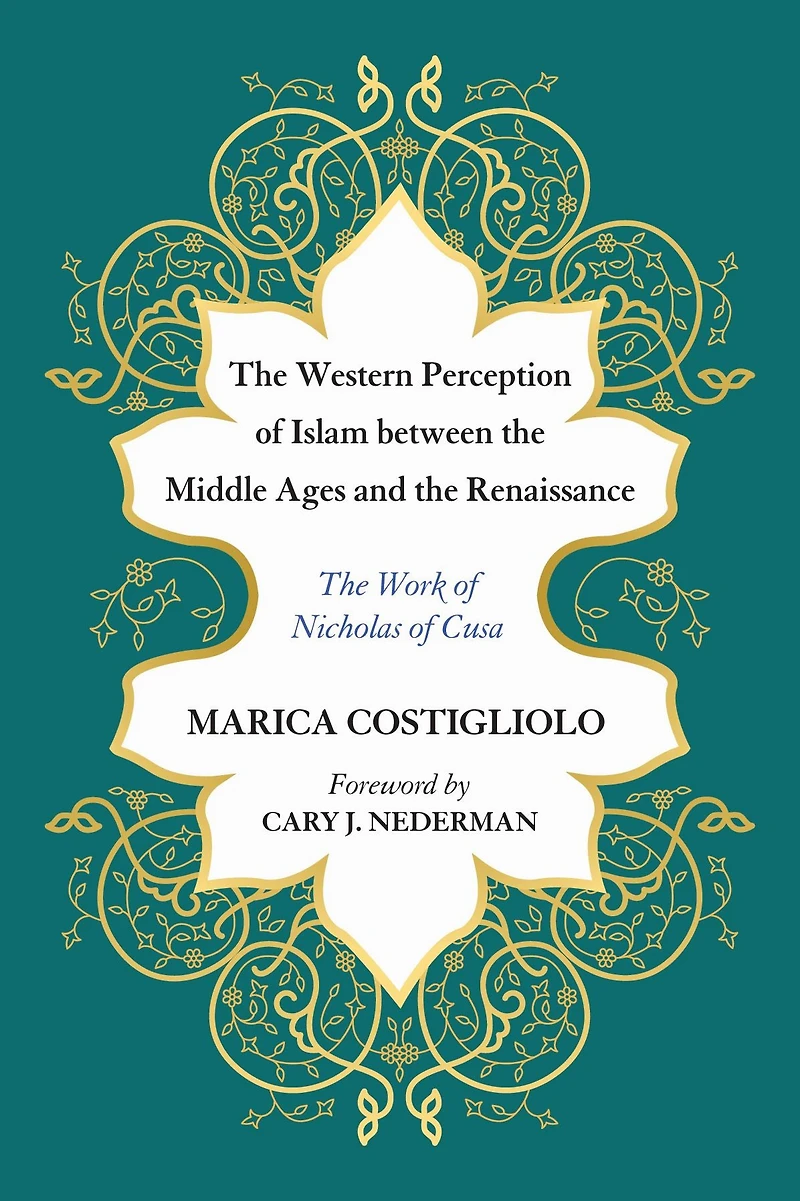
The Western Perception of Islam between the Middle Ages and the Renaissance: The Work of Nicholas of Cusa in Bloomington, MN
By Barnes & Noble
Current price: $23.00

The Western Perception of Islam between the Middle Ages and the Renaissance: The Work of Nicholas of Cusa in Bloomington, MN
Current price: $23.00
Loading Inventory...
Size: EBook
In the Middle Ages, as Christian sources on the Islamic world show, Muslim culture was perceived as extremely threatening: there were many defenses of Christianity, like the treatise on the "mistakes" of the followers of Allah. This book shows, through an analysis of the works of Nicholas of Cusa and of other authors, that in the course of time this textual attitude was modified, as European authors aimed to point out the Christian truth in comparison with the "falsity" of Islamic theology, in order to reinforce Christian identity through the presupposition of its own absolute truth. The apologetic aim was gradually replaced by a systematic comparison based on partial translations of the Qur'an. The comparison with the "other" was also the basis for reinforcing identity, in order to demonstrate the truth and consequently the supremacy of one's own theoretical position.
In the Middle Ages, as Christian sources on the Islamic world show, Muslim culture was perceived as extremely threatening: there were many defenses of Christianity, like the treatise on the "mistakes" of the followers of Allah. This book shows, through an analysis of the works of Nicholas of Cusa and of other authors, that in the course of time this textual attitude was modified, as European authors aimed to point out the Christian truth in comparison with the "falsity" of Islamic theology, in order to reinforce Christian identity through the presupposition of its own absolute truth. The apologetic aim was gradually replaced by a systematic comparison based on partial translations of the Qur'an. The comparison with the "other" was also the basis for reinforcing identity, in order to demonstrate the truth and consequently the supremacy of one's own theoretical position.
Shop Similar Products









Find at Mall of America® in Bloomington, MN
Visit at Mall of America® in Bloomington, MN