


Home
the View from Within: Normativity and Limits of Self-Criticism
Barnes and Noble
Loading Inventory...
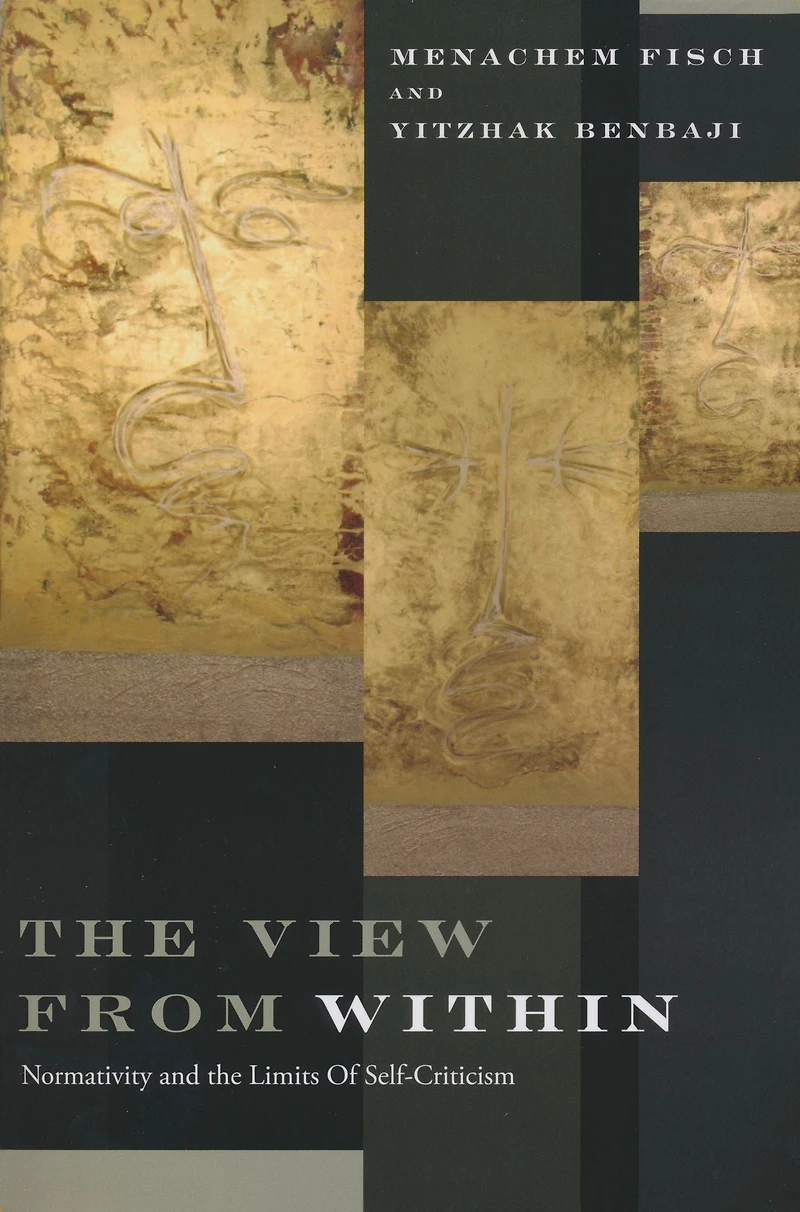
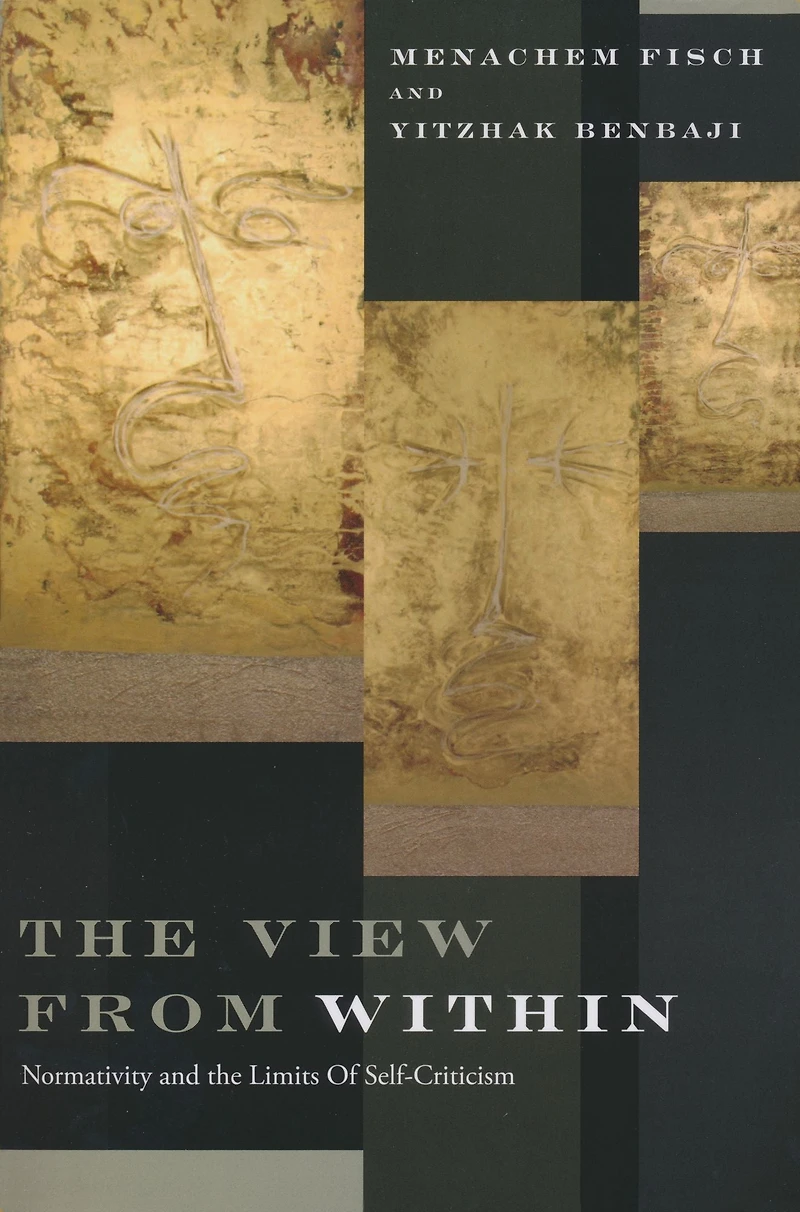
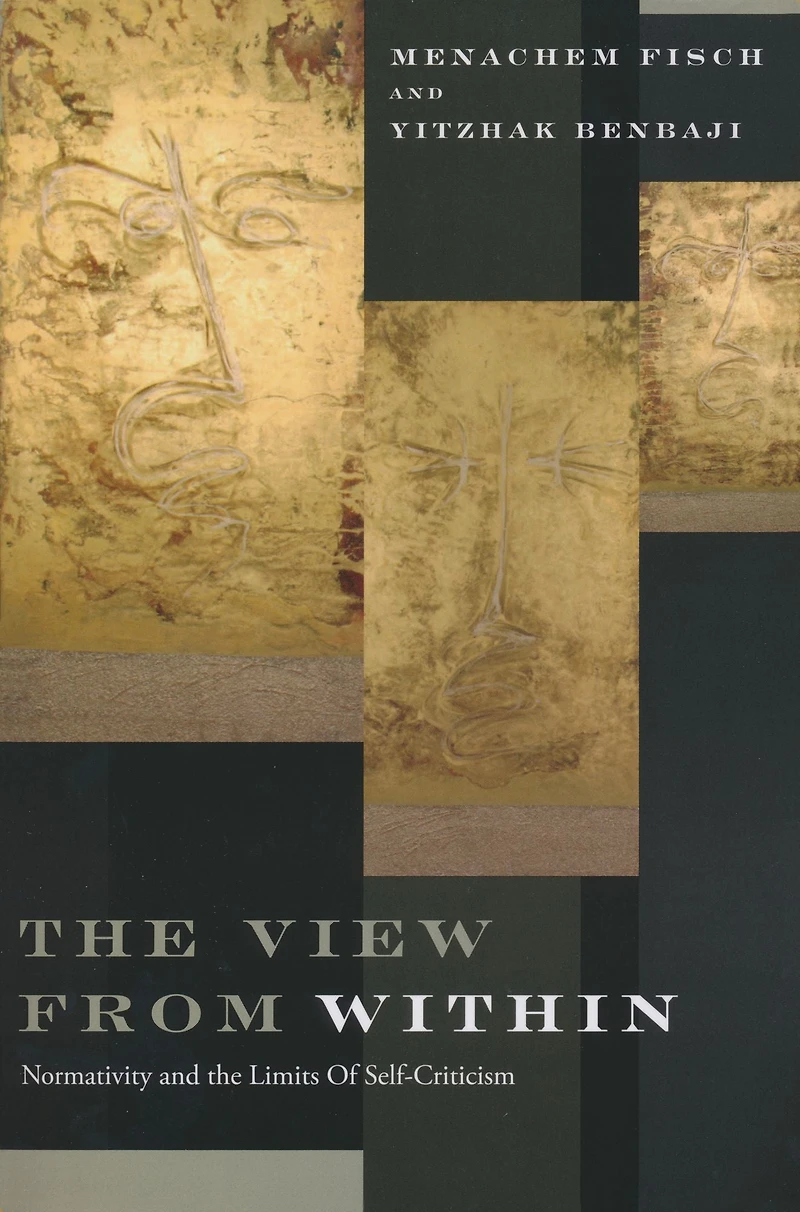
the View from Within: Normativity and Limits of Self-Criticism in Bloomington, MN
By Barnes & Noble
Current price: $39.99

the View from Within: Normativity and Limits of Self-Criticism in Bloomington, MN
Current price: $39.99
Loading Inventory...
Size: EBook
The View from Within examines the character of reason and the ability of an individual to effectively distance himself from the normative framework in which he functions in order to be self-critical and innovative. To accomplish this task, Menachem Fisch and Yitzhak Benbaji critically employ or reject the recent writings of Brandom, Friedman, Frankfurt, Walzer, Davidson, Williams, Habermas, Rorty, and McDowell to offer a fundamental analysis of the character of reason and the problem of relativism. This ambitious book forcefully raises the problem of rational normative change and makes the unique and insightful claim that although we cannot be convinced by normative criticism to modify or replace our norms, we can be rationally motivated to do so by the effect of exposure to trusted critics. Its unprecedented analysis, with its solution to the problem of normative self-criticism that has baffled philosophers for the past sixty years, will be welcomed by both students and scholars of philosophy.
The View from Within examines the character of reason and the ability of an individual to effectively distance himself from the normative framework in which he functions in order to be self-critical and innovative. To accomplish this task, Menachem Fisch and Yitzhak Benbaji critically employ or reject the recent writings of Brandom, Friedman, Frankfurt, Walzer, Davidson, Williams, Habermas, Rorty, and McDowell to offer a fundamental analysis of the character of reason and the problem of relativism. This ambitious book forcefully raises the problem of rational normative change and makes the unique and insightful claim that although we cannot be convinced by normative criticism to modify or replace our norms, we can be rationally motivated to do so by the effect of exposure to trusted critics. Its unprecedented analysis, with its solution to the problem of normative self-criticism that has baffled philosophers for the past sixty years, will be welcomed by both students and scholars of philosophy.
Shop Similar Products













Find at Mall of America® in Bloomington, MN
Visit at Mall of America® in Bloomington, MN