


Home
The Un Inspections Iraq: Lessons For On-site Verification
Barnes and Noble
Loading Inventory...
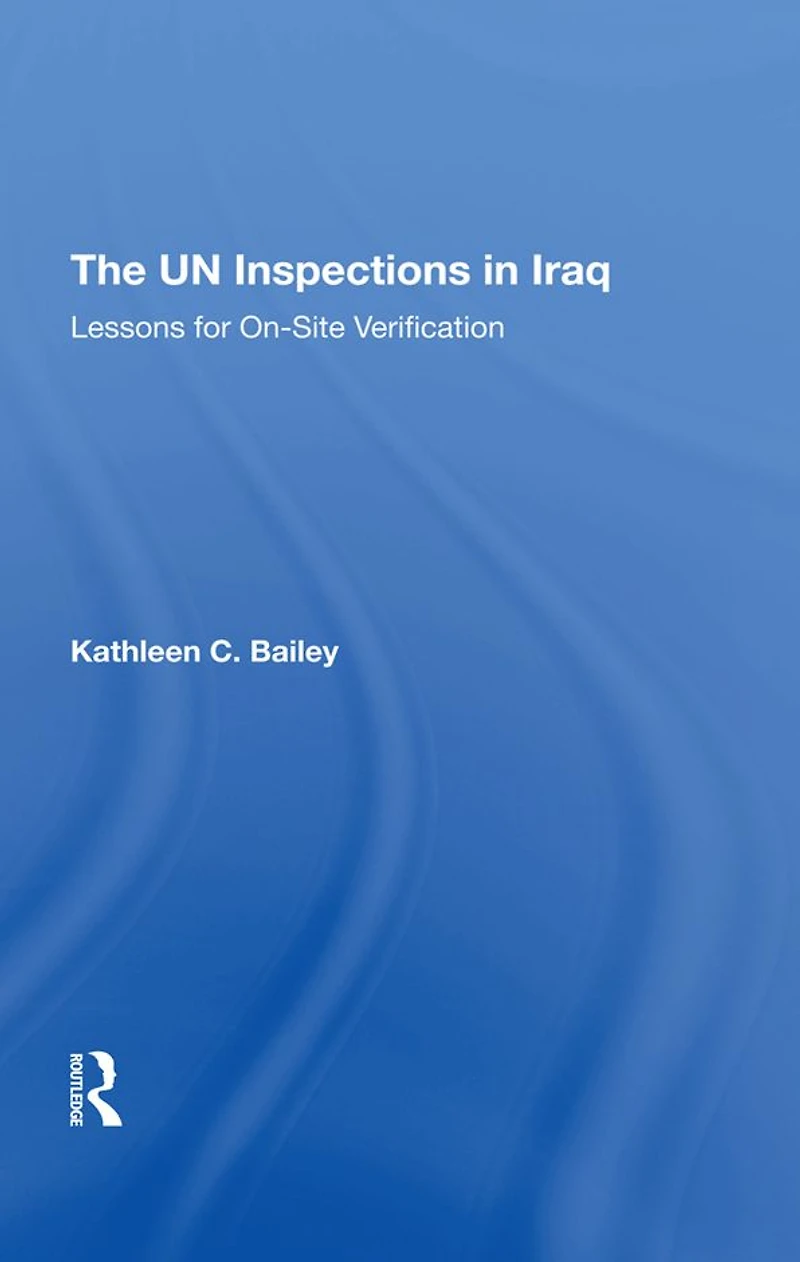
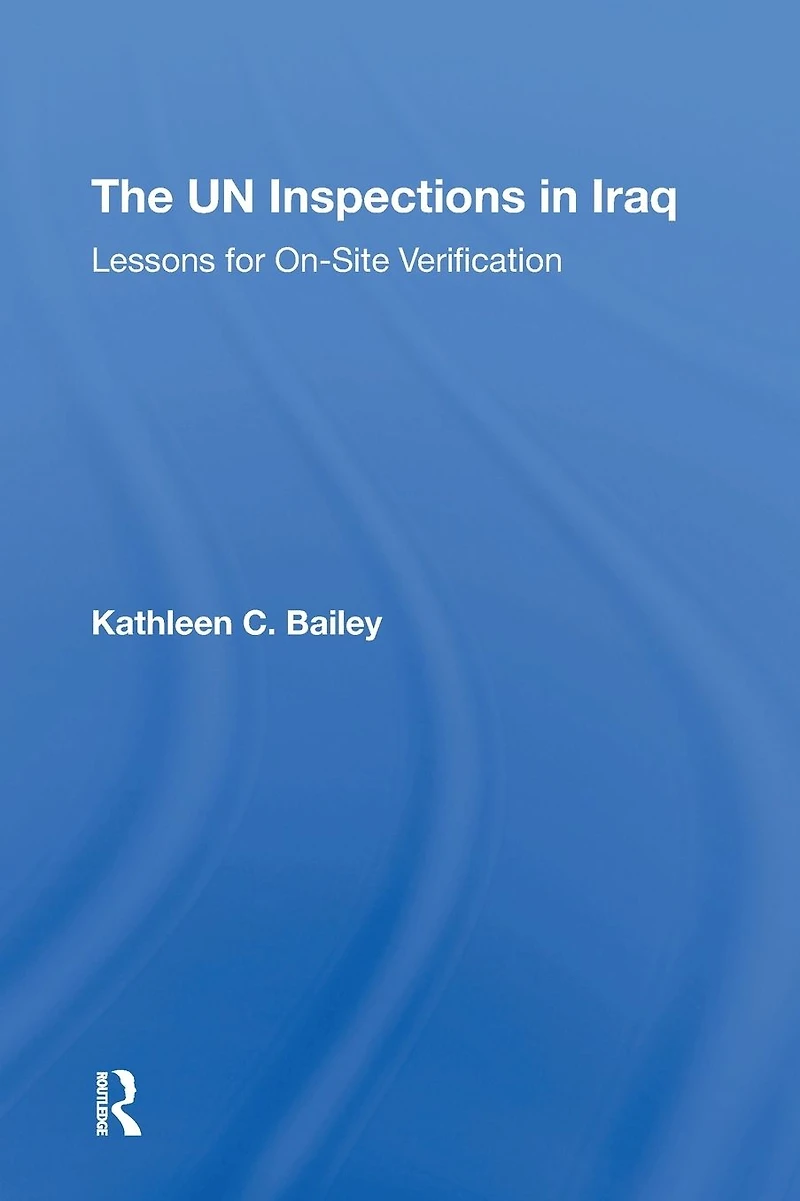
The Un Inspections Iraq: Lessons For On-site Verification in Bloomington, MN
By Barnes & Noble
Current price: $55.99

The Un Inspections Iraq: Lessons For On-site Verification in Bloomington, MN
Current price: $55.99
Loading Inventory...
Size: EBook
This book describes the problems encountered by UN inspection teams assigned to find and destroy Iraq’s nuclear, chemical, biological, and missile capabilities following Desert Storm. Kathleen C. Bailey focuses on the initial inspections—the period in which Iraq was struggling to camouflage and conceal its weapons and production equipment as inspectors were trying to define their role in the process. Working from interviews with these initial inspectors, Bailey extracts important lessons for future verification efforts. On-site arms control inspectors in Iraq found information to be carefully controlled by the government. Pertinent documentation was destroyed, only selected people were allowed to interact with inspectors, and officials refused to make full, complete declarations. Buildings were tom down, equipment was moved, and un-exploded ordnance was placed in the way. These and other techniques helped Iraq to hide its past activities and to preserve some of its weapons capabilities. In the future, arms control inspectors will need to develop strategies for dealing more effectively with recalcitrant inspectees and for creating the best possible procedures and processes. Bailey concludes with concrete suggestions for overcoming some of these obstacles with more effective inspection practices.
This book describes the problems encountered by UN inspection teams assigned to find and destroy Iraq’s nuclear, chemical, biological, and missile capabilities following Desert Storm. Kathleen C. Bailey focuses on the initial inspections—the period in which Iraq was struggling to camouflage and conceal its weapons and production equipment as inspectors were trying to define their role in the process. Working from interviews with these initial inspectors, Bailey extracts important lessons for future verification efforts. On-site arms control inspectors in Iraq found information to be carefully controlled by the government. Pertinent documentation was destroyed, only selected people were allowed to interact with inspectors, and officials refused to make full, complete declarations. Buildings were tom down, equipment was moved, and un-exploded ordnance was placed in the way. These and other techniques helped Iraq to hide its past activities and to preserve some of its weapons capabilities. In the future, arms control inspectors will need to develop strategies for dealing more effectively with recalcitrant inspectees and for creating the best possible procedures and processes. Bailey concludes with concrete suggestions for overcoming some of these obstacles with more effective inspection practices.
Shop Similar Products











Find at Mall of America® in Bloomington, MN
Visit at Mall of America® in Bloomington, MN