


Home
the Ties That Bind: Immigration and Global Political Economy
Barnes and Noble
Loading Inventory...
the Ties That Bind: Immigration and Global Political Economy in Bloomington, MN
By Barnes & Noble
Current price: $34.00

the Ties That Bind: Immigration and Global Political Economy in Bloomington, MN
Current price: $34.00
Loading Inventory...
Size: EBook
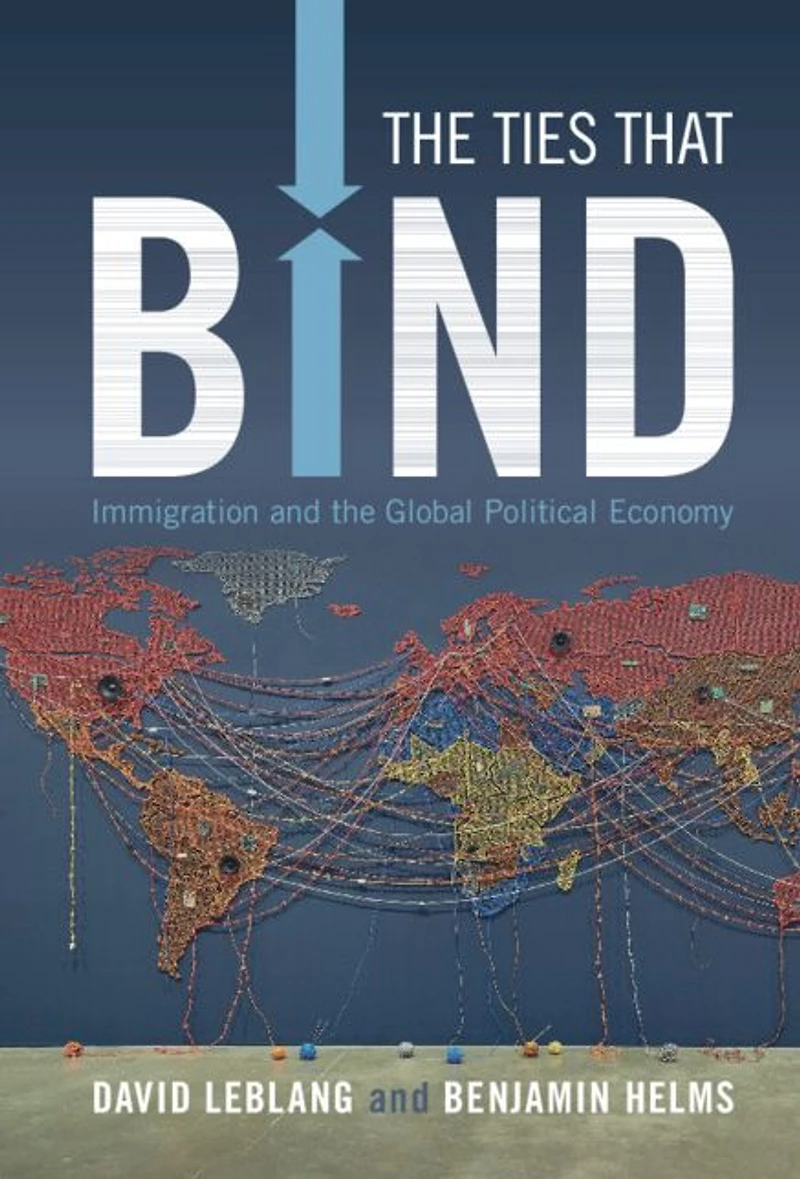
Migration is among the central domestic and global political issues of today. Yet the causes and consequences - and the relationship between migration and global markets – are poorly understood. Migration is both costly and risky, so why do people decide to migrate? What are the political, social, economic, and environmental factors that cause people to leave their homes and seek a better life elsewhere? Leblang and Helms argue that political factors - the ability to participate in the political life of a destination - are as important as economic and social factors. Most migrants don't cut ties with their homeland but continue to be engaged, both economically and politically. Migrants continue to serve as a conduit for information, helping drive investment to their homelands. The authors combine theory with a wealth of micro and macro evidence to demonstrate that migration isn't static, after all, but continuously fluid.
Migration is among the central domestic and global political issues of today. Yet the causes and consequences - and the relationship between migration and global markets – are poorly understood. Migration is both costly and risky, so why do people decide to migrate? What are the political, social, economic, and environmental factors that cause people to leave their homes and seek a better life elsewhere? Leblang and Helms argue that political factors - the ability to participate in the political life of a destination - are as important as economic and social factors. Most migrants don't cut ties with their homeland but continue to be engaged, both economically and politically. Migrants continue to serve as a conduit for information, helping drive investment to their homelands. The authors combine theory with a wealth of micro and macro evidence to demonstrate that migration isn't static, after all, but continuously fluid.
Shop Similar Products













Find at Mall of America® in Bloomington, MN
Visit at Mall of America® in Bloomington, MN