


Home
The Structure of Value: Foundations of Scientific Axiology
Barnes and Noble
Loading Inventory...
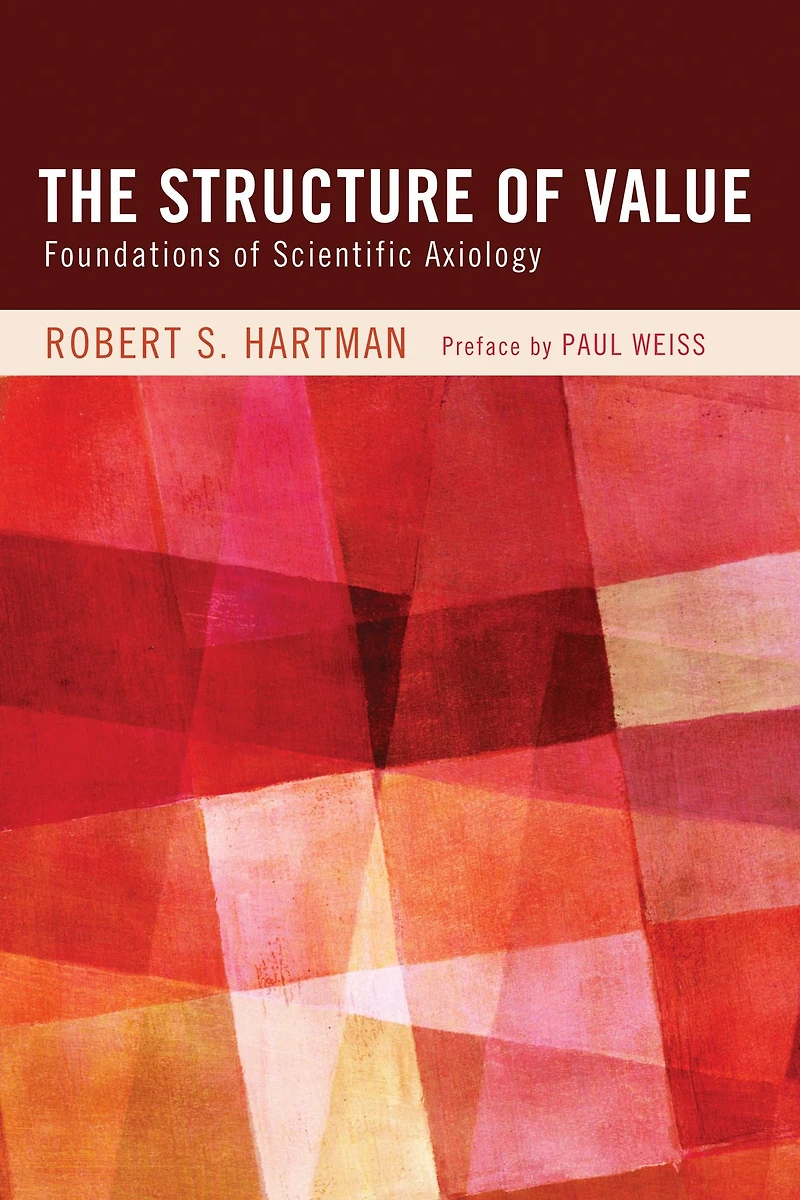
The Structure of Value: Foundations of Scientific Axiology in Bloomington, MN
By Barnes & Noble
Current price: $46.00

The Structure of Value: Foundations of Scientific Axiology in Bloomington, MN
Current price: $46.00
Loading Inventory...
Size: EBook
Hartman's revolutionary book introduces formal orderly thinking into value theory. It identifies three basic kinds of value, intrinsic goods (e.g., people as ends in themselves), extrinsic goods (e.g., things and actions as means to ends), and systemic goods (conceptual values). All good things share a common formal or structural pattern: they fulfill the ideal standards or "concepts" that we apply to them. Thus, this theory is called "formal axiology." Some values are richer in good-making property-fulfillment than others, so some desirable things are better than others and form patterned hierarchies of value. How we value is just as important as what we value, and evaluations, like values, share structures or formal patterns, as this book demonstrates. Hartman locates all of this solidly within the framework of historical value theory, but he moves successfully and creatively beyond philosophical tradition and toward the creation of a new value science.
Hartman's revolutionary book introduces formal orderly thinking into value theory. It identifies three basic kinds of value, intrinsic goods (e.g., people as ends in themselves), extrinsic goods (e.g., things and actions as means to ends), and systemic goods (conceptual values). All good things share a common formal or structural pattern: they fulfill the ideal standards or "concepts" that we apply to them. Thus, this theory is called "formal axiology." Some values are richer in good-making property-fulfillment than others, so some desirable things are better than others and form patterned hierarchies of value. How we value is just as important as what we value, and evaluations, like values, share structures or formal patterns, as this book demonstrates. Hartman locates all of this solidly within the framework of historical value theory, but he moves successfully and creatively beyond philosophical tradition and toward the creation of a new value science.
Shop Similar Products

















Find at Mall of America® in Bloomington, MN
Visit at Mall of America® in Bloomington, MN