


Home
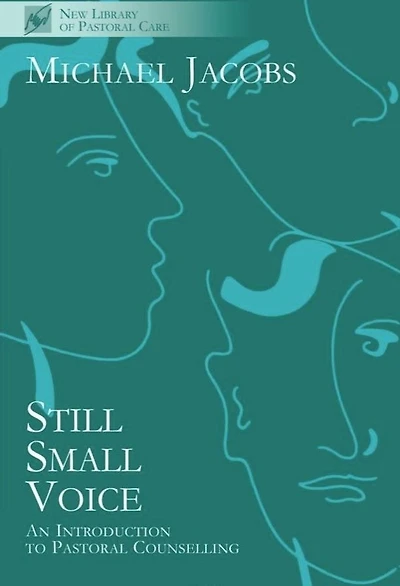
The Still Small Voice: Psychoanalytic Reflections on Guilt and Conscience
Barnes and Noble
Loading Inventory...



The Still Small Voice: Psychoanalytic Reflections on Guilt and Conscience in Bloomington, MN
By Barnes & Noble
Current price: $62.99

The Still Small Voice: Psychoanalytic Reflections on Guilt and Conscience in Bloomington, MN
Current price: $62.99
Loading Inventory...
Size: EBook
Whereas Freud himself viewed conscience as one of the functions of the superego, in The Still Small Voice: Psychoanalytic Reflections on Guilt and Conscience, the author argues that superego and conscience are distinct mental functions and that, therefore, a fourth mental structure, the conscience, needs to be added to the psychoanalytic structural theory of the mind. He claims that while both conscience and superego originate in the so-called pre-oedipal phase of infant and child development they are comprised of contrasting and often conflicting identifications. The primary object, still most often the mother, is inevitably experienced as, on the one hand, nurturing and soothing and, on the other, as frustrating and persecuting. Conscience is formed in identification with the nurturer; the superego in identification with the aggressor. There is a principle of reciprocity at work in the human psyche: for love received one seeks to return love; for hate, hate (the talion law).
Whereas Freud himself viewed conscience as one of the functions of the superego, in The Still Small Voice: Psychoanalytic Reflections on Guilt and Conscience, the author argues that superego and conscience are distinct mental functions and that, therefore, a fourth mental structure, the conscience, needs to be added to the psychoanalytic structural theory of the mind. He claims that while both conscience and superego originate in the so-called pre-oedipal phase of infant and child development they are comprised of contrasting and often conflicting identifications. The primary object, still most often the mother, is inevitably experienced as, on the one hand, nurturing and soothing and, on the other, as frustrating and persecuting. Conscience is formed in identification with the nurturer; the superego in identification with the aggressor. There is a principle of reciprocity at work in the human psyche: for love received one seeks to return love; for hate, hate (the talion law).
Shop Similar Products

















Find at Mall of America® in Bloomington, MN
Visit at Mall of America® in Bloomington, MN