


Home
The Social Space of Language: Vernacular Culture British Colonial Punjab
Barnes and Noble
Loading Inventory...
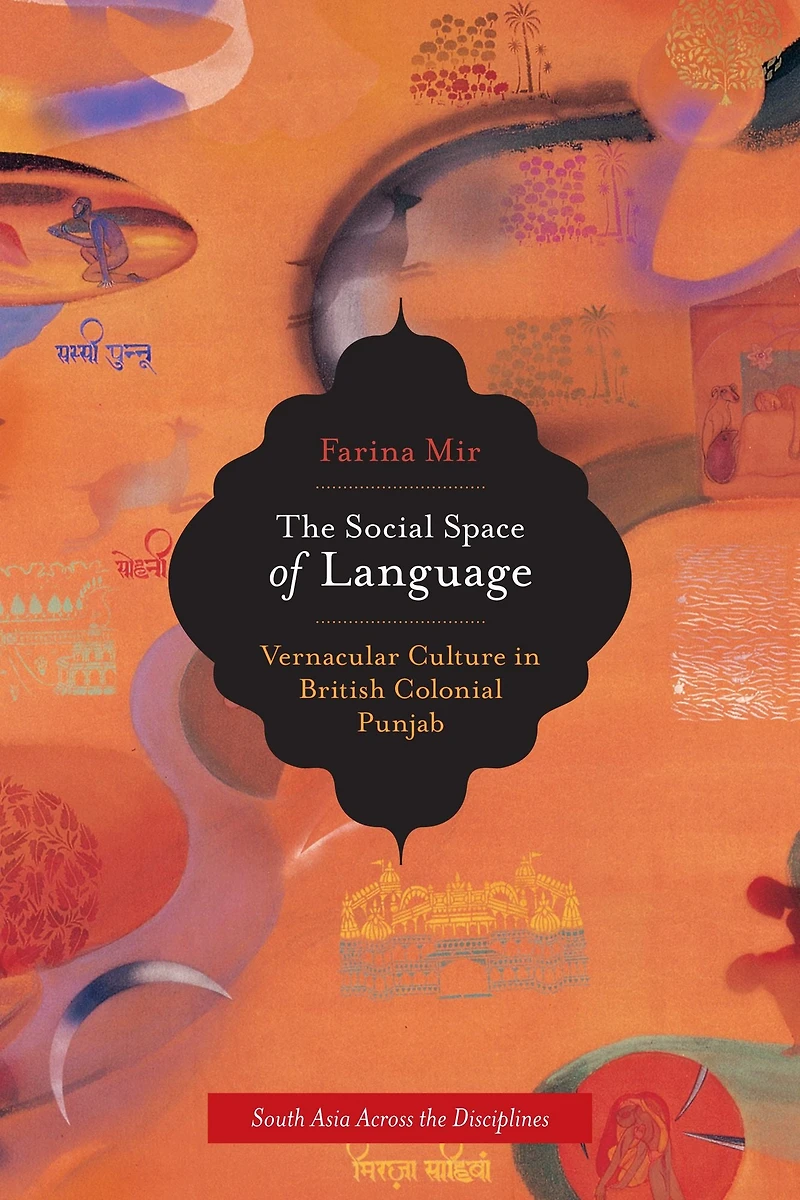
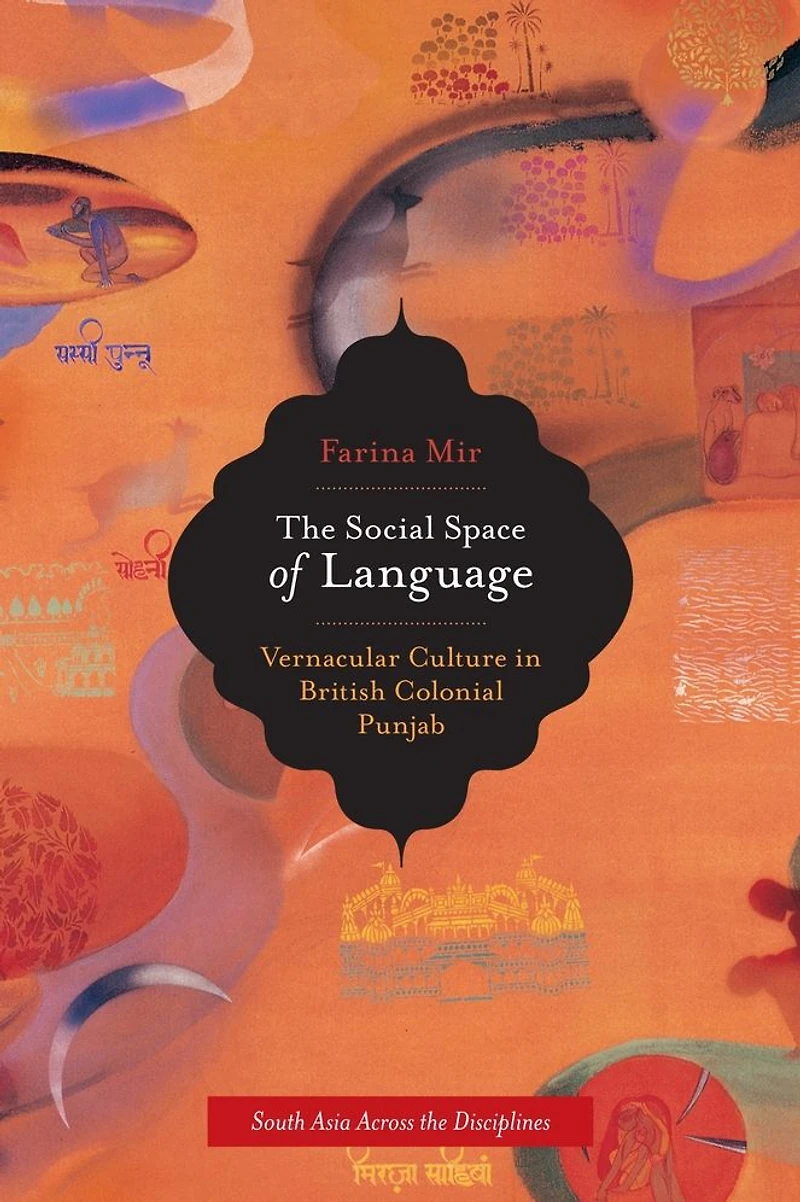
The Social Space of Language: Vernacular Culture British Colonial Punjab in Bloomington, MN
By Barnes & Noble
Current price: $85.00

The Social Space of Language: Vernacular Culture British Colonial Punjab in Bloomington, MN
Current price: $85.00
Loading Inventory...
Size: EBook
This rich cultural history set in Punjab examines a littlestudied body of popular literature to illustrate both the durability of a vernacular literary tradition and the limits of colonial dominance in British India. Farina Mir asks how qisse, a vibrant genre of epics and romances, flourished in colonial Punjab despite British efforts to marginalize the Punjabi language. She explores topics including Punjabi linguistic practices, print and performance, and the symbolic content of qisse. She finds that although the British denied Punjabi language and literature almost all forms of state patronage, the resilience of this popular genre came from its old but dynamic corpus of stories, their representations of place, and the moral sensibility that suffused them. Her multidisciplinary study reframes inquiry into cultural formations in latecolonial north India away from a focus on religious communal identities and nationalist politics and toward a widespread, ecumenical, and placecentered poetics of belonging in the region.
This rich cultural history set in Punjab examines a littlestudied body of popular literature to illustrate both the durability of a vernacular literary tradition and the limits of colonial dominance in British India. Farina Mir asks how qisse, a vibrant genre of epics and romances, flourished in colonial Punjab despite British efforts to marginalize the Punjabi language. She explores topics including Punjabi linguistic practices, print and performance, and the symbolic content of qisse. She finds that although the British denied Punjabi language and literature almost all forms of state patronage, the resilience of this popular genre came from its old but dynamic corpus of stories, their representations of place, and the moral sensibility that suffused them. Her multidisciplinary study reframes inquiry into cultural formations in latecolonial north India away from a focus on religious communal identities and nationalist politics and toward a widespread, ecumenical, and placecentered poetics of belonging in the region.
Shop Similar Products












Find at Mall of America® in Bloomington, MN
Visit at Mall of America® in Bloomington, MN