


Home
the Science of Sin: Psychology Seven Deadlies (and Why They Are So Good For You)
Barnes and Noble
Loading Inventory...
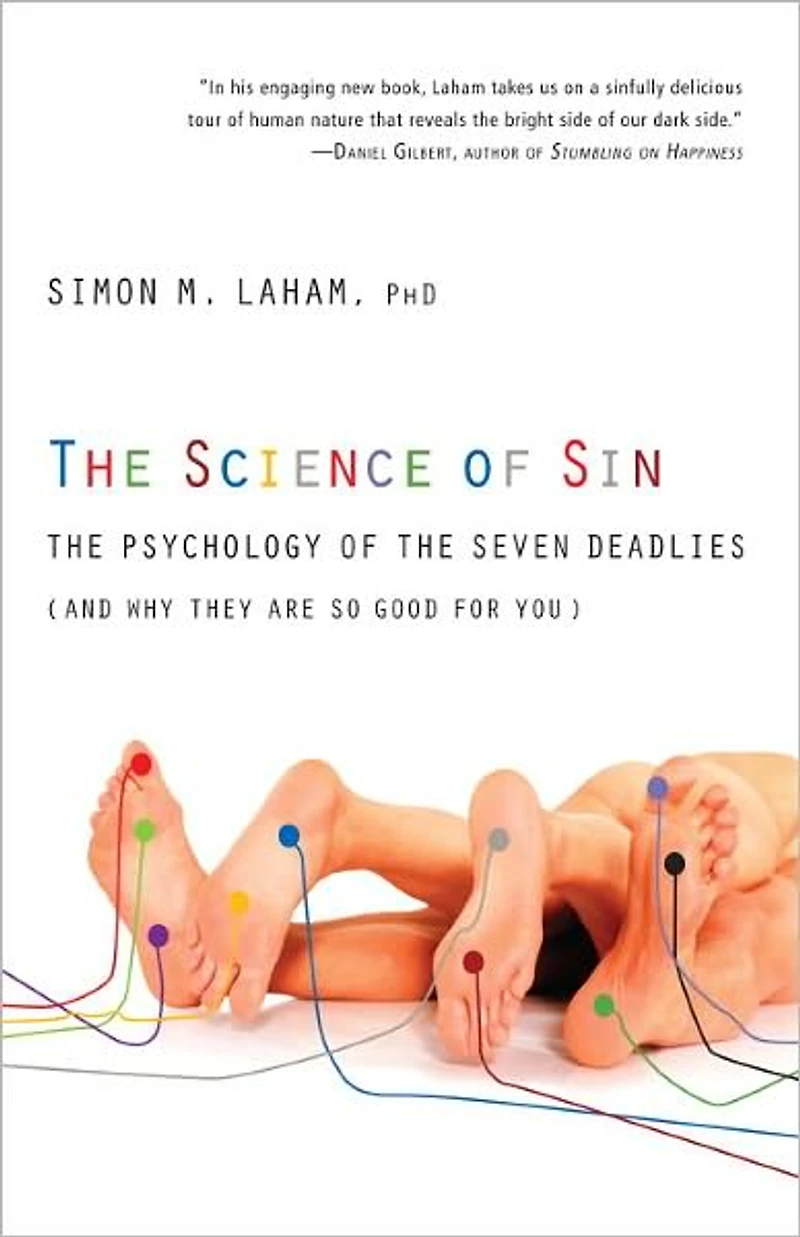
the Science of Sin: Psychology Seven Deadlies (and Why They Are So Good For You) in Bloomington, MN
By Barnes & Noble
Current price: $5.99

the Science of Sin: Psychology Seven Deadlies (and Why They Are So Good For You) in Bloomington, MN
Current price: $5.99
Loading Inventory...
Size: EBook
Pride, lust, gluttony, greed, envy, sloth, and anger.They’re considered “deadly” because of their capacity to generate other evils. The truth is, we all sin and we do it all the time—in fact, usually several times over before breakfast! But human behavior, argues social psychologist Simon Laham, is more complex than “good” or “evil.” In psychology, these sins aren’t considered morally wrong or even uniformly bad, but are treated rather as complex and interesting psychological states that if, indulged wisely, can be functional, adaptive, and lead to a range of positive effects. The Science of Sin takes on these so-called sins one by one and through psychological research shows that being bad can be oh-so-good for you. Did you know that: · Being slow and lazy can help you win the race? · Anger makes you more open-minded? · Coveting what others have not only makes you more creative but bolsters self- esteem? So go ahead, eat that last cookie and kick back on the couch for a day of TV with your neighbor’s boyfriend—from gluttony to greed, envy to lust, Laham shows how even the deadliest, most decadent of vices can make you smart, successful, and happy.
Pride, lust, gluttony, greed, envy, sloth, and anger.They’re considered “deadly” because of their capacity to generate other evils. The truth is, we all sin and we do it all the time—in fact, usually several times over before breakfast! But human behavior, argues social psychologist Simon Laham, is more complex than “good” or “evil.” In psychology, these sins aren’t considered morally wrong or even uniformly bad, but are treated rather as complex and interesting psychological states that if, indulged wisely, can be functional, adaptive, and lead to a range of positive effects. The Science of Sin takes on these so-called sins one by one and through psychological research shows that being bad can be oh-so-good for you. Did you know that: · Being slow and lazy can help you win the race? · Anger makes you more open-minded? · Coveting what others have not only makes you more creative but bolsters self- esteem? So go ahead, eat that last cookie and kick back on the couch for a day of TV with your neighbor’s boyfriend—from gluttony to greed, envy to lust, Laham shows how even the deadliest, most decadent of vices can make you smart, successful, and happy.
Shop Similar Products















Find at Mall of America® in Bloomington, MN
Visit at Mall of America® in Bloomington, MN