


Home
The Role of Toll-Like Receptor 4 Infectious and Non Inflammation
Barnes and Noble
Loading Inventory...
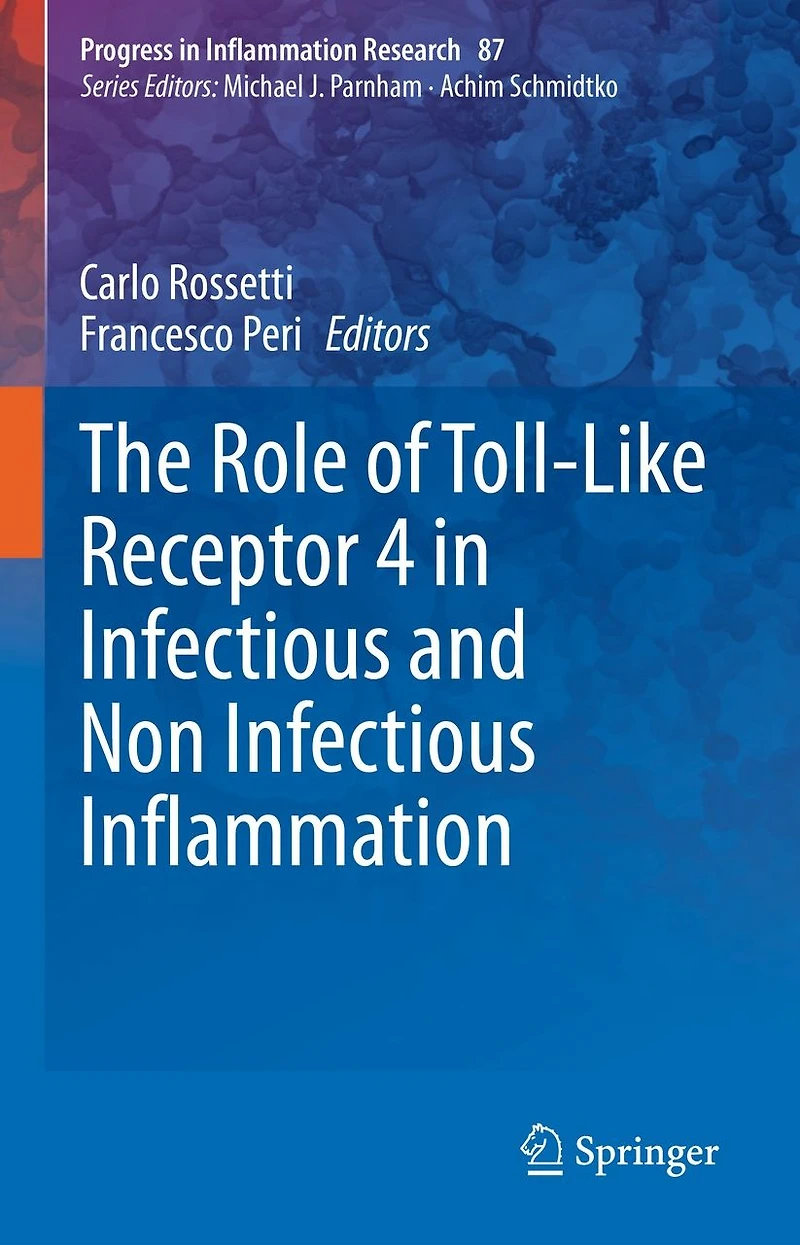

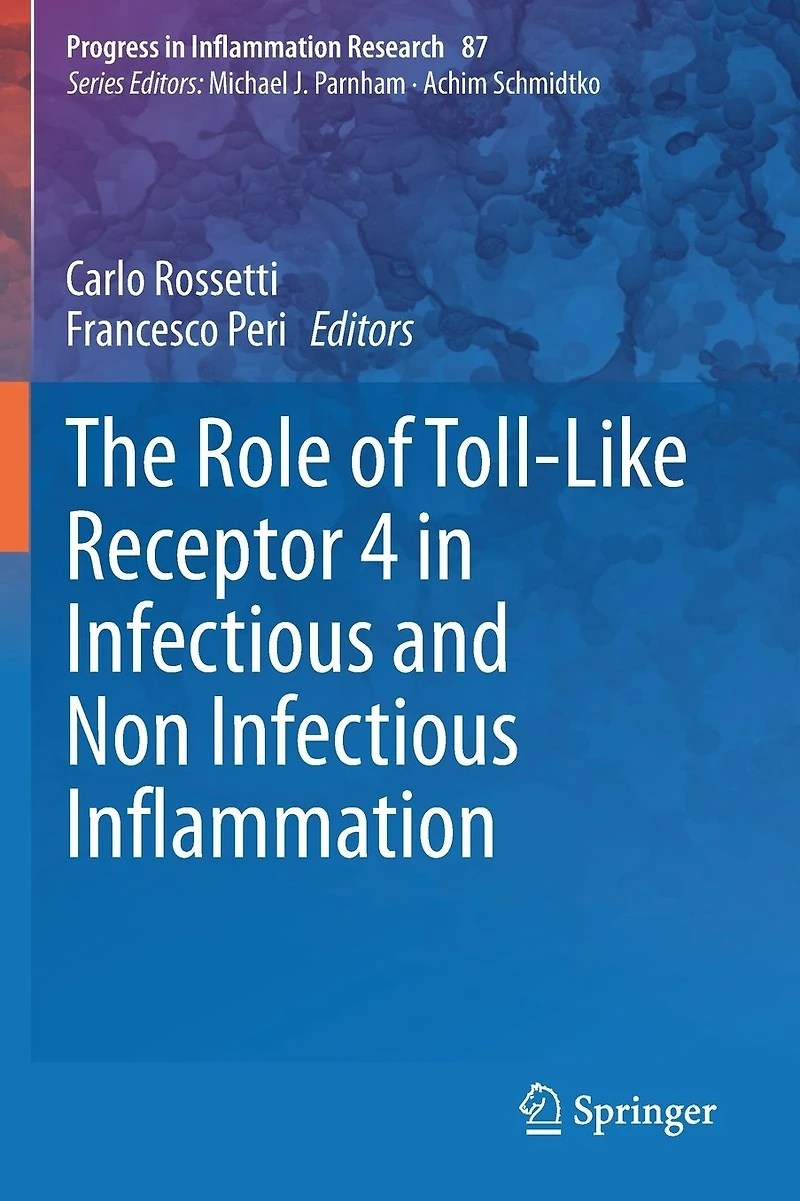
The Role of Toll-Like Receptor 4 Infectious and Non Inflammation in Bloomington, MN
By Barnes & Noble
Current price: $99.00

The Role of Toll-Like Receptor 4 Infectious and Non Inflammation in Bloomington, MN
Current price: $99.00
Loading Inventory...
Size: EBook
TLR4 is one of the most important innate immunity receptors, its function mainly consisting in the activation of inflammatory pathways in response to stimulation by Pathogen-Associated Molecular Patterns (PAMPs) and Damage Associated Molecular Pattern molecules (DAMPs). This volume critically reviews the different types of TLR4 activators and inhibitors, discusses the role of molecular aggregates in agonism/antagonism as well as the pivotal role of the CD14 receptor in the modulation of TLR4 signal and the molecular details and actors of the intracellular cascade. The book presents the role of TLR4 in several pathologies, such as sepsis and septic shock caused by receptor activation by gram-negative bacterial lipopolysaccharide (LPS), in neurodegenerative and neurological diseases such as Parkinson and Alzheimer’s diseases, and Amyotrophic Lateral Sclerosis (ALS). It reviews the role of TLR4 in neural stem cell-mediated neurogenesis andneuroinflammation and in Human Induced Pluripotent Stem Cells and Cerebral Organoids and discusses the emerging role of micro-RNA (miRNA) regulation by TLR4.
TLR4 is one of the most important innate immunity receptors, its function mainly consisting in the activation of inflammatory pathways in response to stimulation by Pathogen-Associated Molecular Patterns (PAMPs) and Damage Associated Molecular Pattern molecules (DAMPs). This volume critically reviews the different types of TLR4 activators and inhibitors, discusses the role of molecular aggregates in agonism/antagonism as well as the pivotal role of the CD14 receptor in the modulation of TLR4 signal and the molecular details and actors of the intracellular cascade. The book presents the role of TLR4 in several pathologies, such as sepsis and septic shock caused by receptor activation by gram-negative bacterial lipopolysaccharide (LPS), in neurodegenerative and neurological diseases such as Parkinson and Alzheimer’s diseases, and Amyotrophic Lateral Sclerosis (ALS). It reviews the role of TLR4 in neural stem cell-mediated neurogenesis andneuroinflammation and in Human Induced Pluripotent Stem Cells and Cerebral Organoids and discusses the emerging role of micro-RNA (miRNA) regulation by TLR4.
Shop Similar Products















Find at Mall of America® in Bloomington, MN
Visit at Mall of America® in Bloomington, MN