


Home
the Rise and Fall of Soviet Navy Baltic 1921-1941
Barnes and Noble
Loading Inventory...
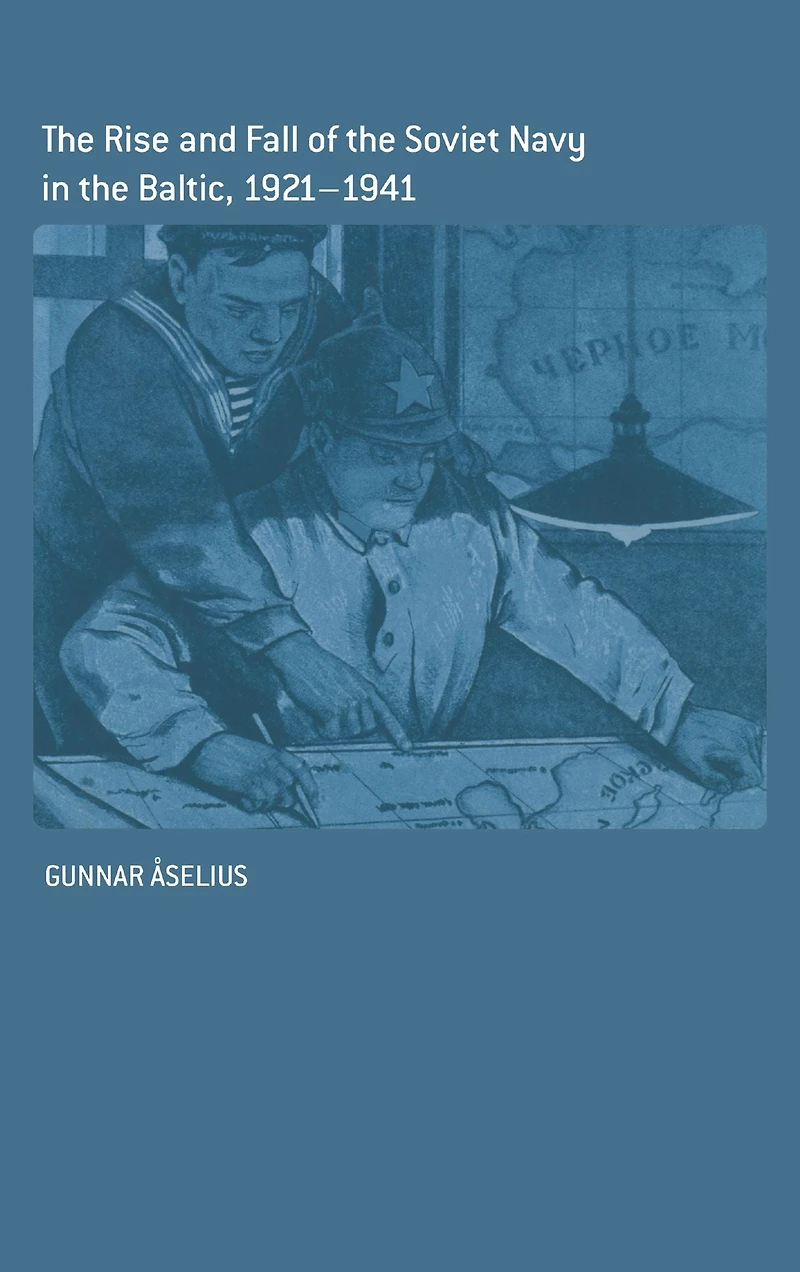
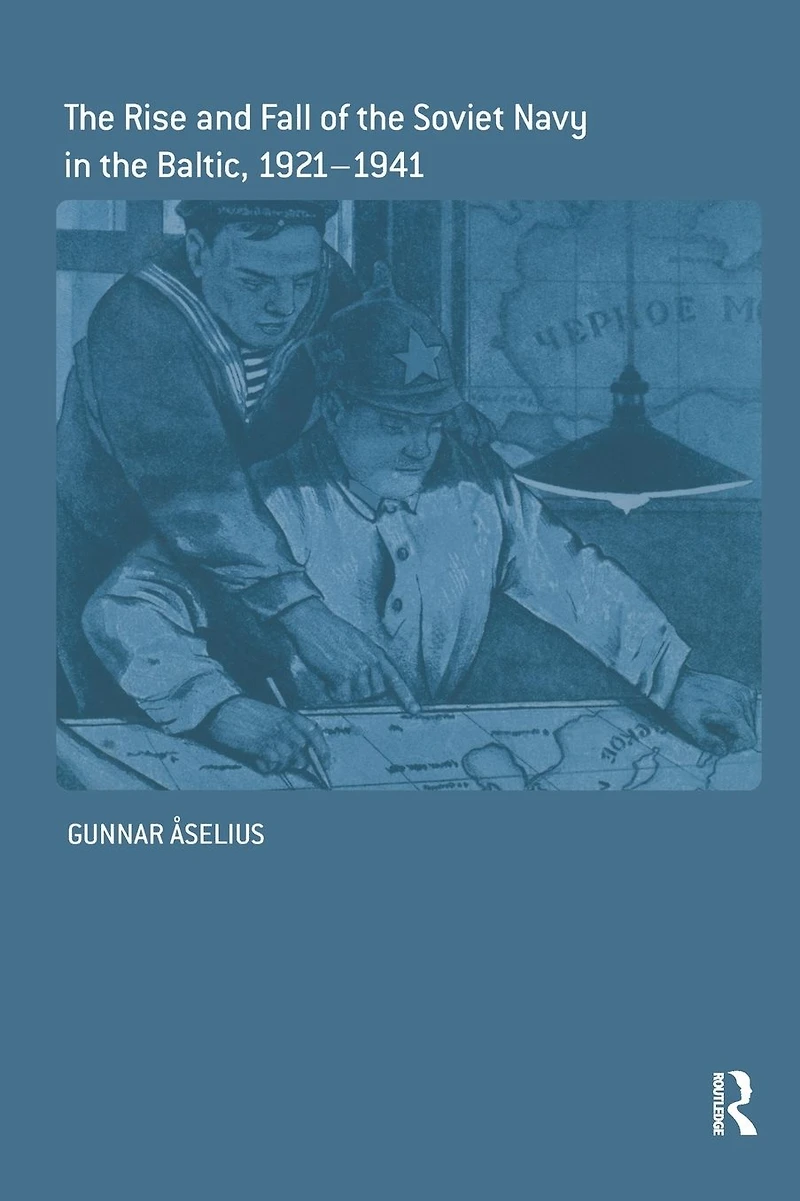
the Rise and Fall of Soviet Navy Baltic 1921-1941 in Bloomington, MN
By Barnes & Noble
Current price: $68.99

the Rise and Fall of Soviet Navy Baltic 1921-1941 in Bloomington, MN
Current price: $68.99
Loading Inventory...
Size: EBook
This book, based on extensive work in Russian archives, investigates how strategy, organisational rivalry and cultural factors came to shape naval developments in the Soviet Union, up to the invasion of 1941. Focussing on the Baltic Fleet, the author shows how the perceived balance of power in northern Europe came to have a major influence on Soviet naval policy during the 1920s and 1930s. The operational environment of a narrow inland-sea like the Baltic would have required a joint approach to military planning, but the Soviet navy's weak position among the armed services made such an approach hard to attain. The Soviet regime also struggled against the cultural heritage of the tsarist navy and the book describes how this was overcome. In a special Appendix dedicated to the purges of 1937-38, surviving party records from the Baltic Fleet Intelligence Section are used to illustrate the mechanisms of the Great Terror at local level.
This book, based on extensive work in Russian archives, investigates how strategy, organisational rivalry and cultural factors came to shape naval developments in the Soviet Union, up to the invasion of 1941. Focussing on the Baltic Fleet, the author shows how the perceived balance of power in northern Europe came to have a major influence on Soviet naval policy during the 1920s and 1930s. The operational environment of a narrow inland-sea like the Baltic would have required a joint approach to military planning, but the Soviet navy's weak position among the armed services made such an approach hard to attain. The Soviet regime also struggled against the cultural heritage of the tsarist navy and the book describes how this was overcome. In a special Appendix dedicated to the purges of 1937-38, surviving party records from the Baltic Fleet Intelligence Section are used to illustrate the mechanisms of the Great Terror at local level.
Shop Similar Products













Find at Mall of America® in Bloomington, MN
Visit at Mall of America® in Bloomington, MN