


Home
The Rhetoric of Exemplarity Early Modern England
Barnes and Noble
Loading Inventory...
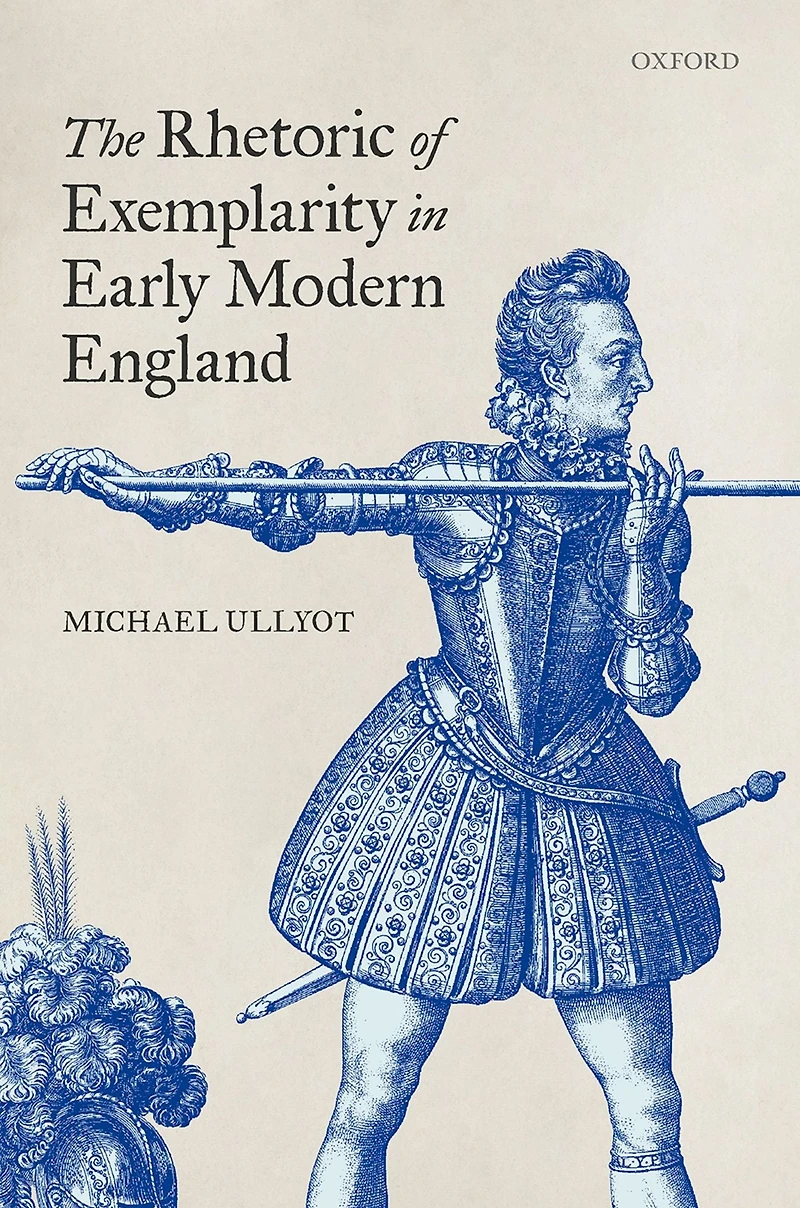
The Rhetoric of Exemplarity Early Modern England in Bloomington, MN
By Barnes & Noble
Current price: $87.99

The Rhetoric of Exemplarity Early Modern England in Bloomington, MN
Current price: $87.99
Loading Inventory...
Size: EBook
In this study, Michael Ullyot makes two new arguments about the rhetoric of exemplarity in late Elizabethan and Jacobean culture: first, that exemplarity is a recursive cycle driven by rhetoricians' words and readers' actions; and second, that positive moral examples are not replicable, but rather aspirational models of readers' posthumous biographies. For example, Alexander the Great envied Achilles less for his exemplary life than for Homer's account of it. Ullyot defines the three types of decorum on which exemplary rhetoric and imitation rely, and charts their operations through Philip Sidney's poetics, Edmund Spenser's poetry, and the dedications, sermons, elegies, biographies, and other occasional texts about Robert Devereux, second earl of Essex, and Henry, Prince of Wales. Ullyot expands the definition of occasional texts to include those that criticize their circumstances to demand better ones, and historicizes moral exemplarity in the contexts of sixteenth-century Protestant memory and humanist pedagogy. The Rhetoric of Exemplarity in Early Modern England concludes that all exemplary subjects suffer from the problem of metonymy, the objection that their chosen excerpts misrepresent their missing parts. This problem also besets historicist literary criticism, ever subject to corrections from the archive, so this study concedes that its own rhetorical methods are exemplary.
In this study, Michael Ullyot makes two new arguments about the rhetoric of exemplarity in late Elizabethan and Jacobean culture: first, that exemplarity is a recursive cycle driven by rhetoricians' words and readers' actions; and second, that positive moral examples are not replicable, but rather aspirational models of readers' posthumous biographies. For example, Alexander the Great envied Achilles less for his exemplary life than for Homer's account of it. Ullyot defines the three types of decorum on which exemplary rhetoric and imitation rely, and charts their operations through Philip Sidney's poetics, Edmund Spenser's poetry, and the dedications, sermons, elegies, biographies, and other occasional texts about Robert Devereux, second earl of Essex, and Henry, Prince of Wales. Ullyot expands the definition of occasional texts to include those that criticize their circumstances to demand better ones, and historicizes moral exemplarity in the contexts of sixteenth-century Protestant memory and humanist pedagogy. The Rhetoric of Exemplarity in Early Modern England concludes that all exemplary subjects suffer from the problem of metonymy, the objection that their chosen excerpts misrepresent their missing parts. This problem also besets historicist literary criticism, ever subject to corrections from the archive, so this study concedes that its own rhetorical methods are exemplary.
Shop Similar Products







Find at Mall of America® in Bloomington, MN
Visit at Mall of America® in Bloomington, MN