


Home
The Republic
Barnes and Noble
Loading Inventory...
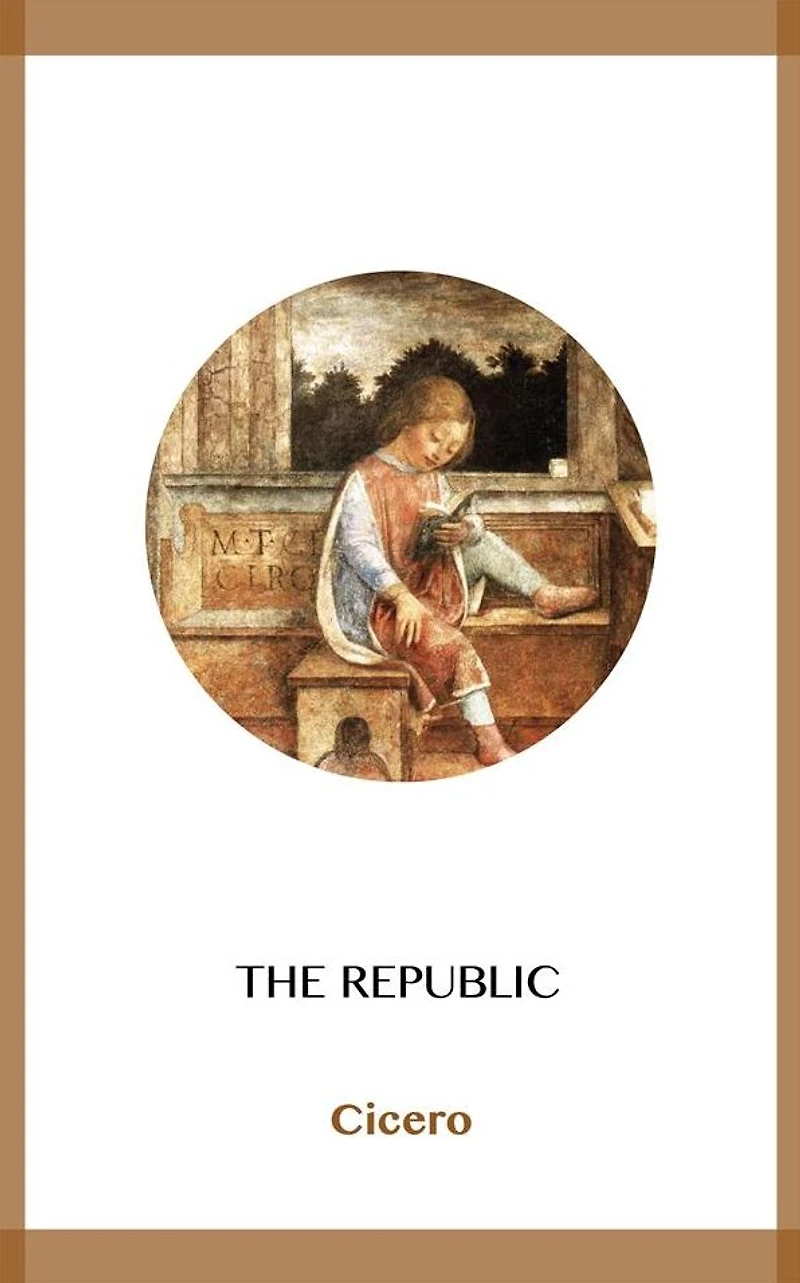


The Republic in Bloomington, MN
By Barnes & Noble
Current price: $0.99

The Republic in Bloomington, MN
Current price: $0.99
Loading Inventory...
Size: EBook
The Republic is a Socratic dialogue by Plato, written in approximately 360 BC. It is one of the most influential works of philosophy and political theory, and arguably Plato's best known work. In it, Socrates and various other Athenians and foreigners discuss the meaning of justice and whether the just man is happier than the unjust man by constructing an imaginary city ruled by philosopher-kings. The dialogue also discusses the nature of the philosopher, Plato's Theory of Forms, the conflict between philosophy and poetry, and the immortality of the soul.Plato was a philosopher, as well as mathematician, in Classical Greece and an influential figure in philosophy, central in Western philosophy. He was Socrates' student, and founded the Academy in Athens, the first institution of higher learning in the Western world. Along with Socrates and his most-famous student, Aristotle, Plato helped to lay the foundations of Western philosophy and science. Alfred North Whitehead once noted: "the safest general characterization of the European philosophical tradition is that it consists of a series of footnotes to Plato."
The Republic is a Socratic dialogue by Plato, written in approximately 360 BC. It is one of the most influential works of philosophy and political theory, and arguably Plato's best known work. In it, Socrates and various other Athenians and foreigners discuss the meaning of justice and whether the just man is happier than the unjust man by constructing an imaginary city ruled by philosopher-kings. The dialogue also discusses the nature of the philosopher, Plato's Theory of Forms, the conflict between philosophy and poetry, and the immortality of the soul.Plato was a philosopher, as well as mathematician, in Classical Greece and an influential figure in philosophy, central in Western philosophy. He was Socrates' student, and founded the Academy in Athens, the first institution of higher learning in the Western world. Along with Socrates and his most-famous student, Aristotle, Plato helped to lay the foundations of Western philosophy and science. Alfred North Whitehead once noted: "the safest general characterization of the European philosophical tradition is that it consists of a series of footnotes to Plato."
Shop Similar Products
















Find at Mall of America® in Bloomington, MN
Visit at Mall of America® in Bloomington, MN