


Home
The Relay Race of Virtue: Plato's Debts to Xenophon
Barnes and Noble
Loading Inventory...
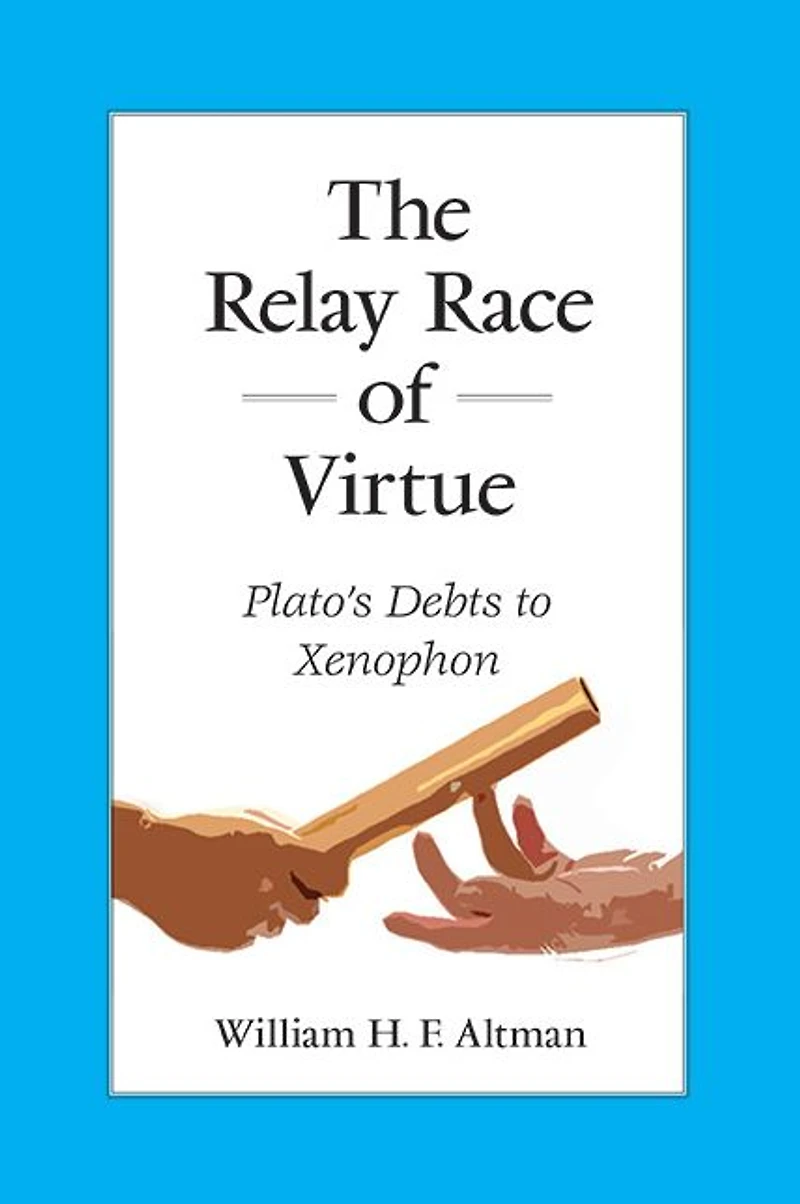
The Relay Race of Virtue: Plato's Debts to Xenophon in Bloomington, MN
By Barnes & Noble
Current price: $38.95

The Relay Race of Virtue: Plato's Debts to Xenophon in Bloomington, MN
Current price: $38.95
Loading Inventory...
Size: EBook
Demonstrates that Plato and Xenophon ought to be regarded less as rivals and more as engaged in a dialogue advancing a common goal of preserving the Socratic legacy.The ancient view that Plato and Xenophon were rivals at least had the merit of allowing them to respond to each other; in modern times, the view that Plato wrote first eliminates the possibility of an exchange between the only two Socratics whose writings are preserved intact. Challenging the chronological assumptions on which Plato's across-the-board priority currently rests, the purpose of The Relay Race of Virtue is to show that Plato and Xenophon were responding to each other and that we can gain a greater appreciation for both by recognizing the back-and-forth nature of their friendly dialogue. Instead of regarding Xenophon as Plato's inept copyist, William H. F. Altman presents him as first blazing the trail for his fellow Socratic and then learning from Plato in return. By emphasizing "Plato's Debts to Xenophon," Altman is charitable to both, justifying Socrates' belief (Memorabilia 1.2.8) "that those of his companions who adopted his principles of conduct would throughout life be good friends to him and to each other."
Demonstrates that Plato and Xenophon ought to be regarded less as rivals and more as engaged in a dialogue advancing a common goal of preserving the Socratic legacy.The ancient view that Plato and Xenophon were rivals at least had the merit of allowing them to respond to each other; in modern times, the view that Plato wrote first eliminates the possibility of an exchange between the only two Socratics whose writings are preserved intact. Challenging the chronological assumptions on which Plato's across-the-board priority currently rests, the purpose of The Relay Race of Virtue is to show that Plato and Xenophon were responding to each other and that we can gain a greater appreciation for both by recognizing the back-and-forth nature of their friendly dialogue. Instead of regarding Xenophon as Plato's inept copyist, William H. F. Altman presents him as first blazing the trail for his fellow Socratic and then learning from Plato in return. By emphasizing "Plato's Debts to Xenophon," Altman is charitable to both, justifying Socrates' belief (Memorabilia 1.2.8) "that those of his companions who adopted his principles of conduct would throughout life be good friends to him and to each other."
Shop Similar Products















Find at Mall of America® in Bloomington, MN
Visit at Mall of America® in Bloomington, MN