


Home
The Puritan Ideology of Mobility: Corporatism, the Politics of Place and the Founding of New England Towns before 1650
Barnes and Noble
Loading Inventory...
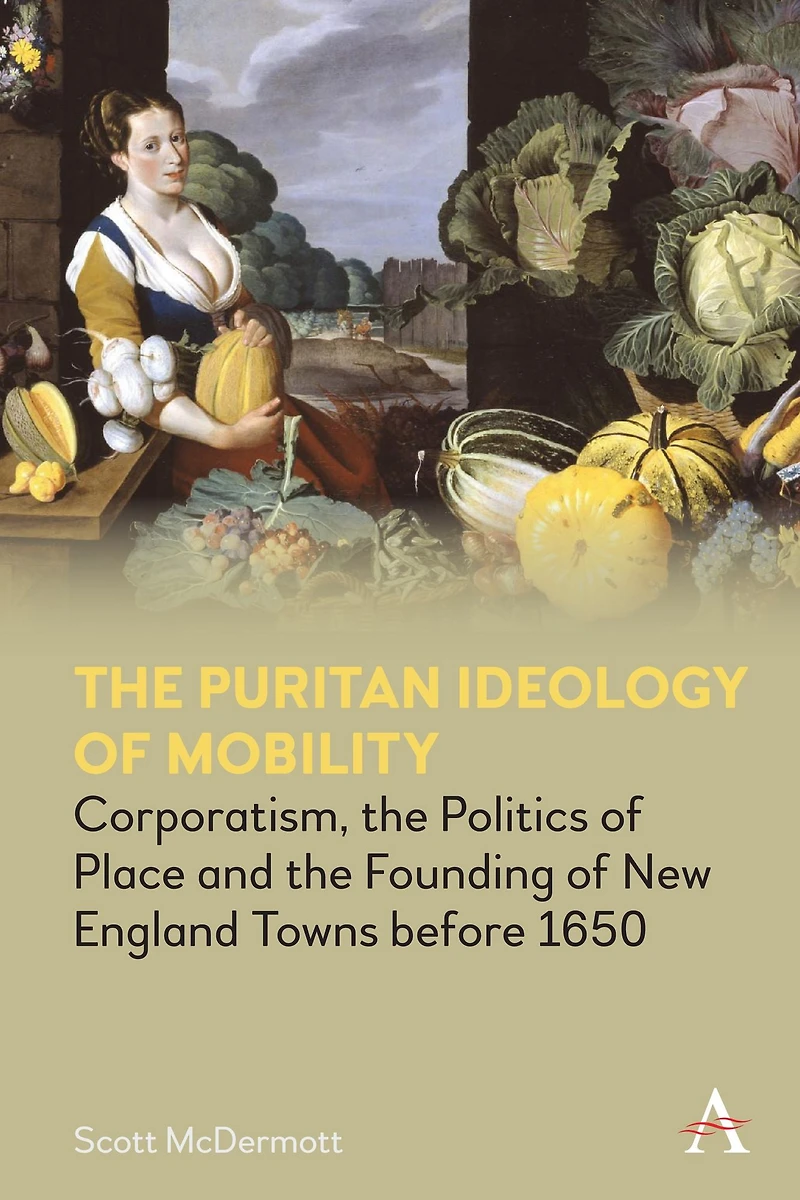
The Puritan Ideology of Mobility: Corporatism, the Politics of Place and the Founding of New England Towns before 1650 in Bloomington, MN
By Barnes & Noble
Current price: $40.00

The Puritan Ideology of Mobility: Corporatism, the Politics of Place and the Founding of New England Towns before 1650 in Bloomington, MN
Current price: $40.00
Loading Inventory...
Size: EBook
The Puritan Ideology of Mobility: Corporatism, the Politics of Place, and the Founding of New England Towns before 1650 examines the ideology that English Puritans developed to justify migration: their migration from England to New England, migrations from one town to another within New England, and, often, their repatriation to the mother country. Puritan leaders believed firmly that nations, colonies, and towns were all “bodies politic,” that is, living and organic social bodies. However, if a social body became distempered because of scarce resources or political or religious discord, it became necessary to create a new social body from the old in order to restore balance and harmony. The new social body was articulated through the social ritual of land distribution according to Aristotelian “distributive justice.” The book will trace this process at work in the founding of Ipswich and its satellite town in Massachusetts.
The Puritan Ideology of Mobility: Corporatism, the Politics of Place, and the Founding of New England Towns before 1650 examines the ideology that English Puritans developed to justify migration: their migration from England to New England, migrations from one town to another within New England, and, often, their repatriation to the mother country. Puritan leaders believed firmly that nations, colonies, and towns were all “bodies politic,” that is, living and organic social bodies. However, if a social body became distempered because of scarce resources or political or religious discord, it became necessary to create a new social body from the old in order to restore balance and harmony. The new social body was articulated through the social ritual of land distribution according to Aristotelian “distributive justice.” The book will trace this process at work in the founding of Ipswich and its satellite town in Massachusetts.
Shop Similar Products















Find at Mall of America® in Bloomington, MN
Visit at Mall of America® in Bloomington, MN