


Home
The Public Side of Representation: A Study of Citizens' Views about Representatives and the Representative Process
Barnes and Noble
Loading Inventory...
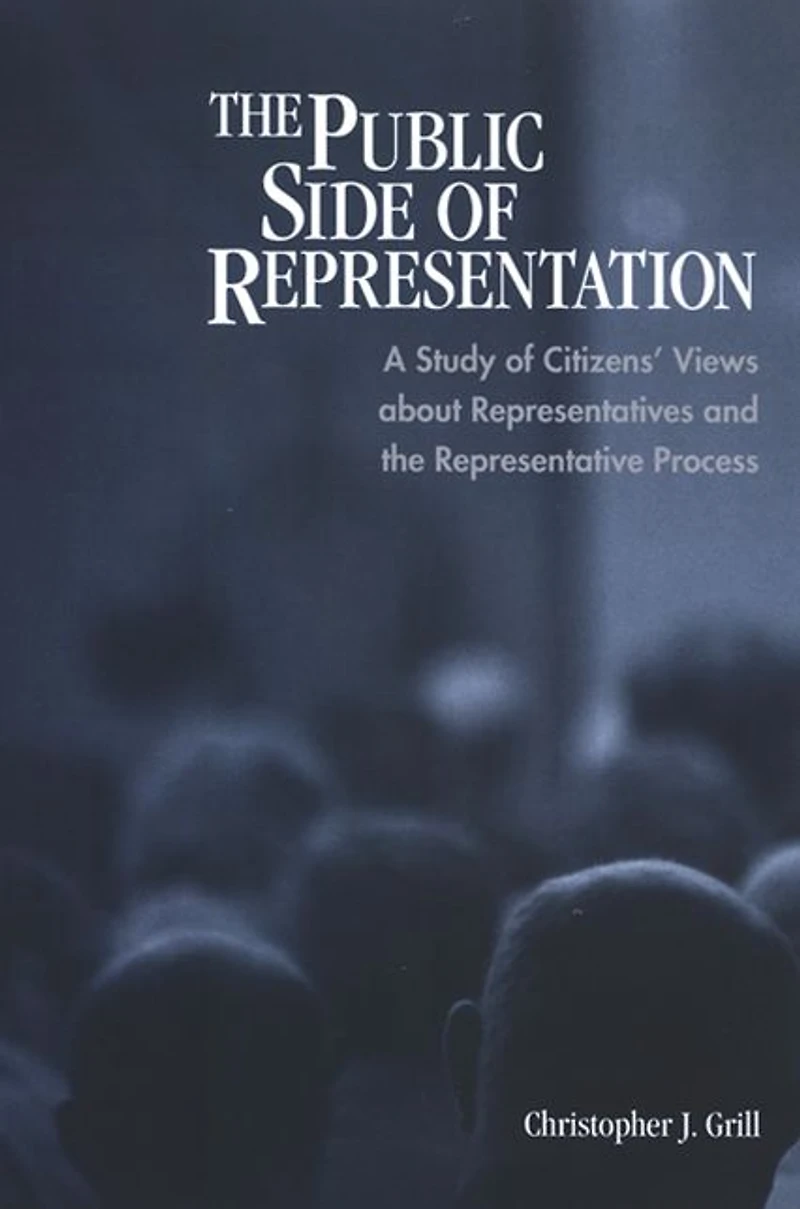
The Public Side of Representation: A Study of Citizens' Views about Representatives and the Representative Process in Bloomington, MN
By Barnes & Noble
Current price: $36.95

The Public Side of Representation: A Study of Citizens' Views about Representatives and the Representative Process in Bloomington, MN
Current price: $36.95
Loading Inventory...
Size: EBook
Examines how ordinary citizens view the representative process in Congress.Representation lies at the very heart of our political system, yet few attempts have been made to examine citizens' views about the representative process. The Public Side of Representation fills that void. Through a series of in-depth interviews, Christopher J. Grill explores people's abstract beliefs about representation, expectations for members of Congress, views on the representative-constituent relationship, and conceptions of Congress as an institution. The resulting analysis describes what the participants view as the essential building blocks of the representative process, depicts how they think representatives should make voting decisions, explains what they believe are the most important roles for members of Congress, and appraises their understanding of the actual representative process. Highly readable and accessible, The Public Side of Representation provides greater insight into American politics, citizens' expectations about government, and the roots of public discontent with the contemporary political process.
Examines how ordinary citizens view the representative process in Congress.Representation lies at the very heart of our political system, yet few attempts have been made to examine citizens' views about the representative process. The Public Side of Representation fills that void. Through a series of in-depth interviews, Christopher J. Grill explores people's abstract beliefs about representation, expectations for members of Congress, views on the representative-constituent relationship, and conceptions of Congress as an institution. The resulting analysis describes what the participants view as the essential building blocks of the representative process, depicts how they think representatives should make voting decisions, explains what they believe are the most important roles for members of Congress, and appraises their understanding of the actual representative process. Highly readable and accessible, The Public Side of Representation provides greater insight into American politics, citizens' expectations about government, and the roots of public discontent with the contemporary political process.
Shop Similar Products


















Find at Mall of America® in Bloomington, MN
Visit at Mall of America® in Bloomington, MN