


Home
The Presence of Rome Medieval and Early Modern Britain: Texts, Artefacts Beliefs
Barnes and Noble
Loading Inventory...
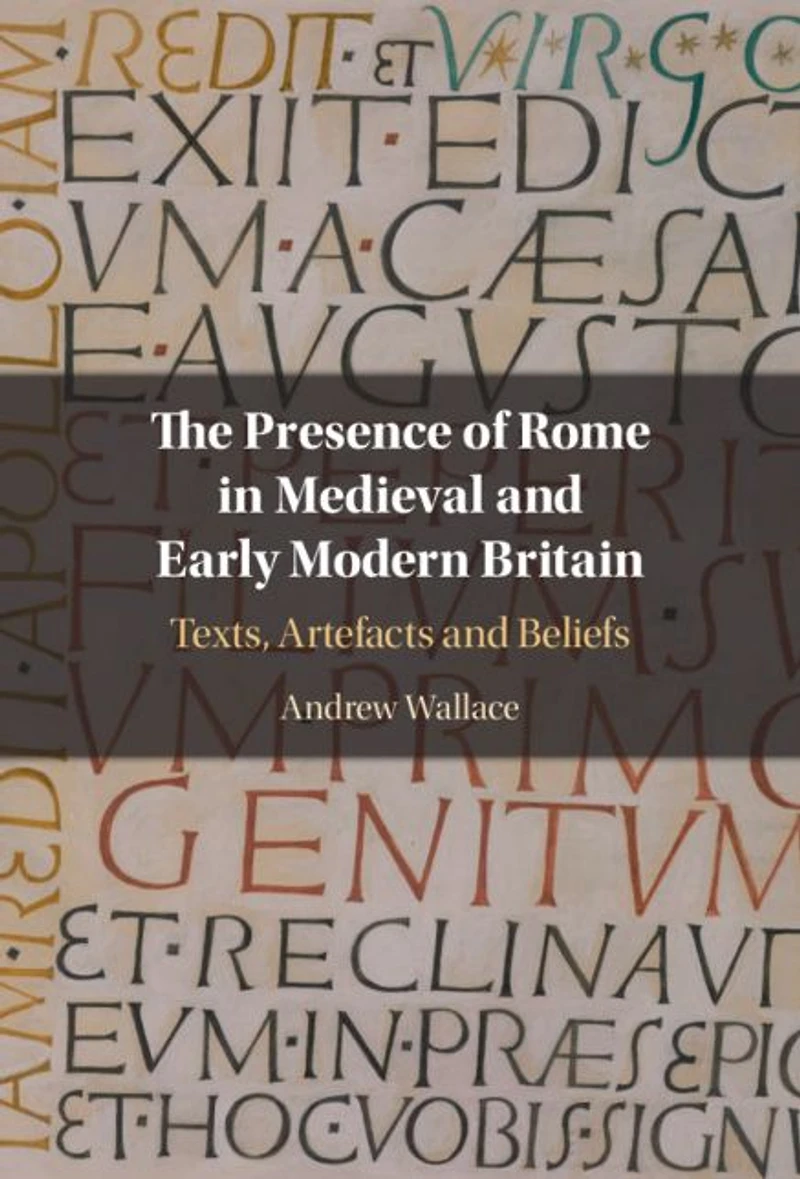
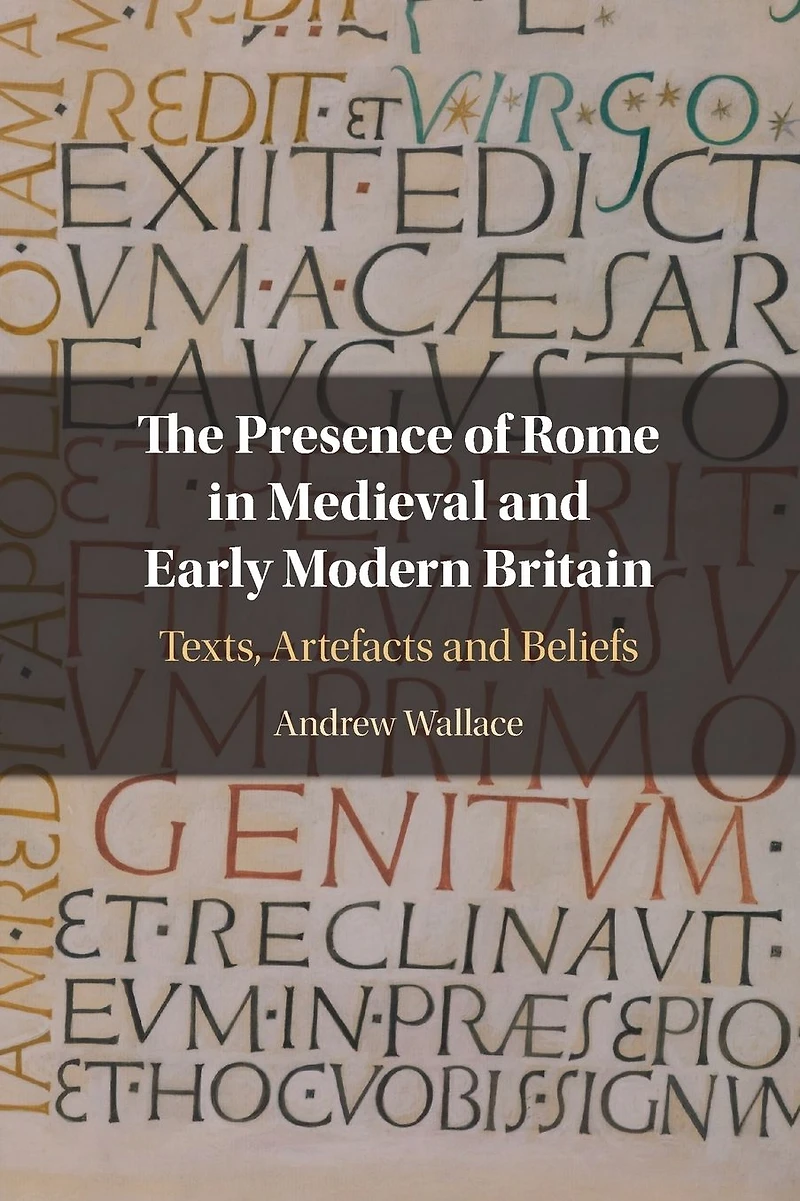
The Presence of Rome Medieval and Early Modern Britain: Texts, Artefacts Beliefs in Bloomington, MN
By Barnes & Noble
Current price: $50.00

The Presence of Rome Medieval and Early Modern Britain: Texts, Artefacts Beliefs in Bloomington, MN
Current price: $50.00
Loading Inventory...
Size: EBook
This book explores the cultural and intellectual stakes of medieval and renaissance Britain's sense of itself as living in the shadow of Rome: a city whose name could designate the ancient, fallen, quintessentially human power that had conquered and colonized Britain, and also the alternately sanctified and demonized Roman Church. Wallace takes medieval texts in a range of languages (including Latin, medieval Welsh, Old English and Old French) and places them in conversation with early modern English and humanistic Latin texts (including works by Gildas, Bede, Chaucer, Shakespeare, Bacon, St. Augustine, Dante, Erasmus, Luther and Montaigne). 'The Ordinary', 'The Self', 'The Word', and 'The Dead' are taken as compass points by which individuals lived out their orientations to, and against, Rome, isolating important dimensions of Rome's enduring ability to shape and complicate the effort to come to terms with the nature of self and the structure of human community.
This book explores the cultural and intellectual stakes of medieval and renaissance Britain's sense of itself as living in the shadow of Rome: a city whose name could designate the ancient, fallen, quintessentially human power that had conquered and colonized Britain, and also the alternately sanctified and demonized Roman Church. Wallace takes medieval texts in a range of languages (including Latin, medieval Welsh, Old English and Old French) and places them in conversation with early modern English and humanistic Latin texts (including works by Gildas, Bede, Chaucer, Shakespeare, Bacon, St. Augustine, Dante, Erasmus, Luther and Montaigne). 'The Ordinary', 'The Self', 'The Word', and 'The Dead' are taken as compass points by which individuals lived out their orientations to, and against, Rome, isolating important dimensions of Rome's enduring ability to shape and complicate the effort to come to terms with the nature of self and the structure of human community.
Shop Similar Products







Find at Mall of America® in Bloomington, MN
Visit at Mall of America® in Bloomington, MN