


Home
the Politics of Collecting: Race and Aestheticization Property
Barnes and Noble
Loading Inventory...
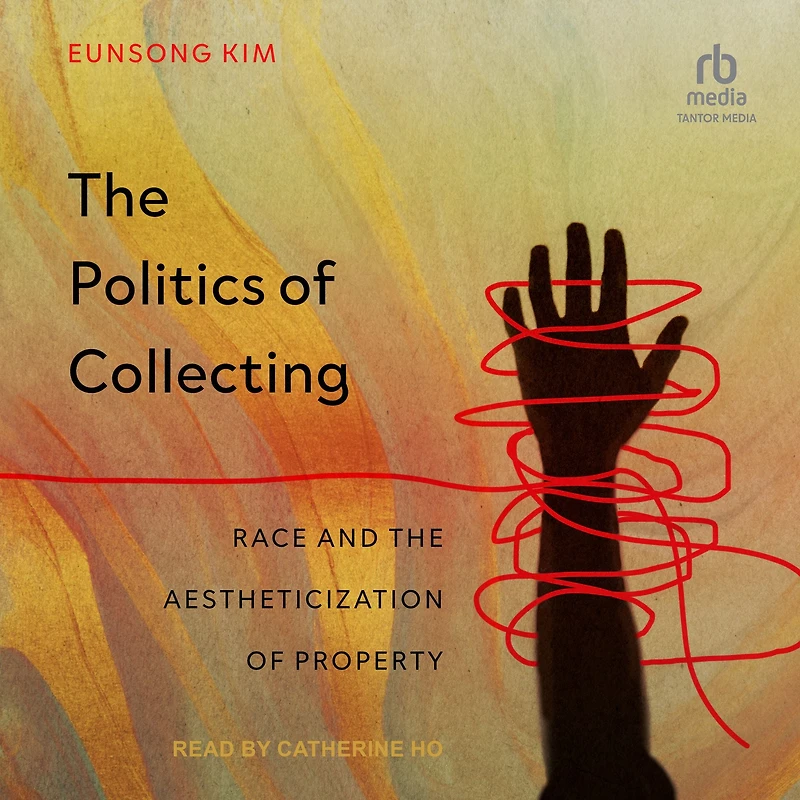
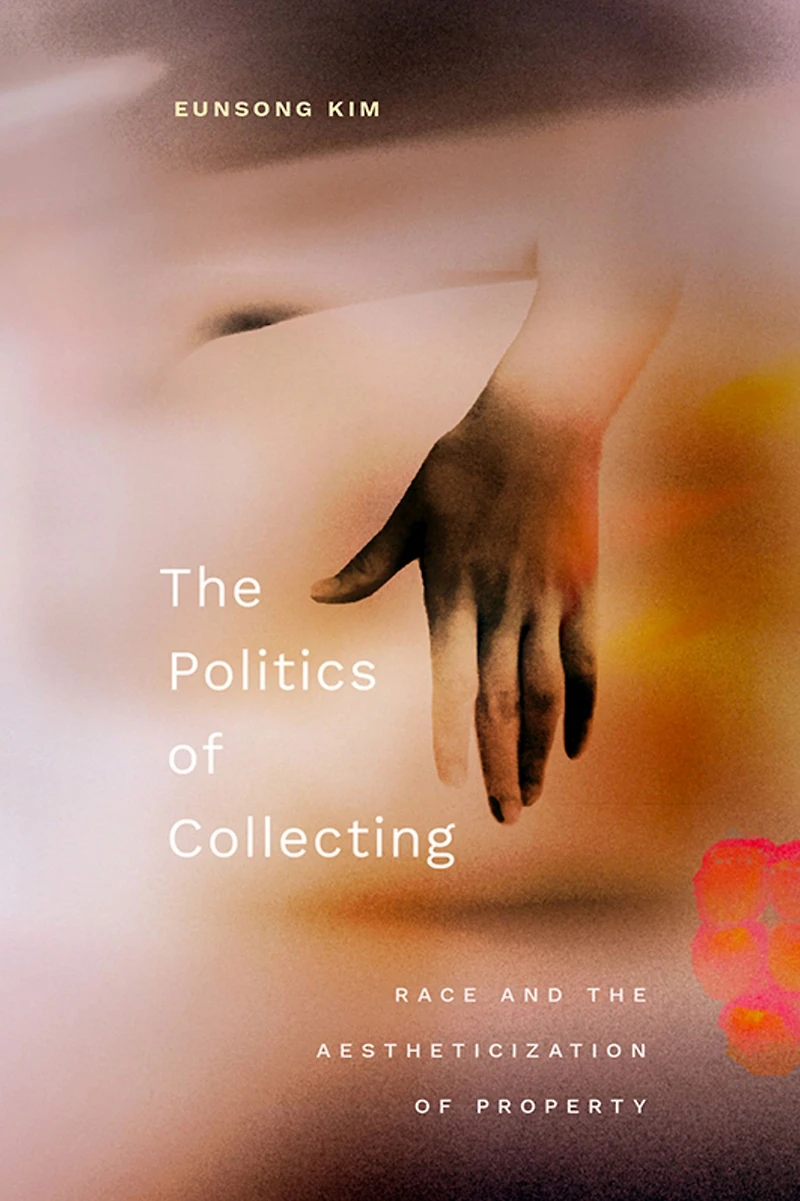
the Politics of Collecting: Race and Aestheticization Property in Bloomington, MN
By Barnes & Noble
Current price: $19.99

the Politics of Collecting: Race and Aestheticization Property in Bloomington, MN
Current price: $19.99
Loading Inventory...
Size: Audiobook
In The Politics of Collecting, Eunsong Kim traces how racial capitalism and colonialism situated the rise of US museum collections and conceptual art forms. Investigating historical legal and property claims, she argues that regimes of expropriation—rather than merit or good taste—are responsible for popular ideas of formal innovation and artistic genius. In doing so, she details how Marcel Duchamp’s canonization has more to do with his patron’s donations to museums than it does the quality of Duchamp’s work, and she uncovers the racialized and financialized logic behind the Archive of New Poetry’s collecting practices. Ranging from the conception of philanthropy devised by the robber barons of the late nineteenth century to ongoing digitization projects, Kim provides a new history of contemporary art that accounts for the complicated entanglement of race, capital, and labor behind storied art institutions and artists. Drawing on history, theory, and economics, Kim challenges received notions of artistic success and talent and calls for a new vision of art beyond the cultural institution.
In The Politics of Collecting, Eunsong Kim traces how racial capitalism and colonialism situated the rise of US museum collections and conceptual art forms. Investigating historical legal and property claims, she argues that regimes of expropriation—rather than merit or good taste—are responsible for popular ideas of formal innovation and artistic genius. In doing so, she details how Marcel Duchamp’s canonization has more to do with his patron’s donations to museums than it does the quality of Duchamp’s work, and she uncovers the racialized and financialized logic behind the Archive of New Poetry’s collecting practices. Ranging from the conception of philanthropy devised by the robber barons of the late nineteenth century to ongoing digitization projects, Kim provides a new history of contemporary art that accounts for the complicated entanglement of race, capital, and labor behind storied art institutions and artists. Drawing on history, theory, and economics, Kim challenges received notions of artistic success and talent and calls for a new vision of art beyond the cultural institution.
Shop Similar Products











Find at Mall of America® in Bloomington, MN
Visit at Mall of America® in Bloomington, MN