


Home
The Political Spirituality of Cesar Chavez: Crossing Religious Borders
Barnes and Noble
Loading Inventory...
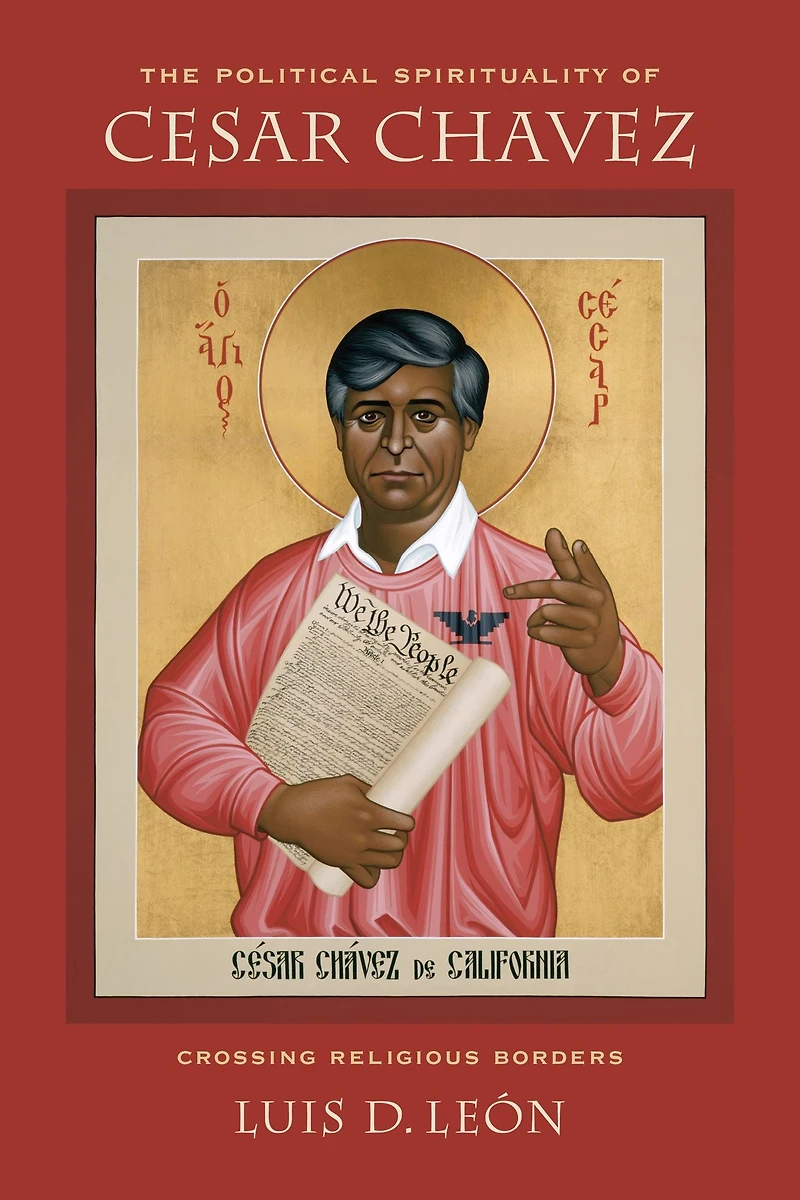

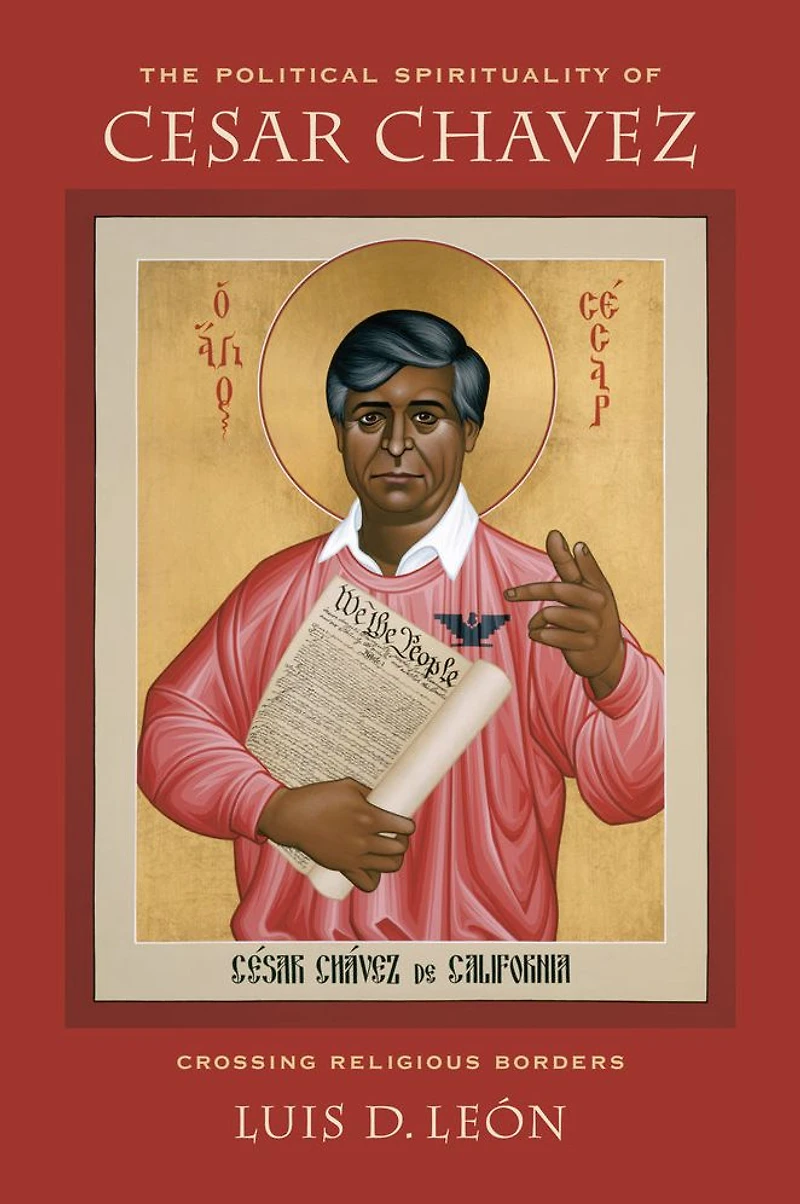
The Political Spirituality of Cesar Chavez: Crossing Religious Borders in Bloomington, MN
By Barnes & Noble
Current price: $29.95

The Political Spirituality of Cesar Chavez: Crossing Religious Borders in Bloomington, MN
Current price: $29.95
Loading Inventory...
Size: EBook
The Political Spirituality of Cesar Chavez: Crossing Religious Borders maps and challenges many of the mythologies that surround the late iconic labor leader. Focusing on Chavez's own writings, León argues that La Causa can be fruitfully understood as a quasireligious movement based on Chavez’s charismatic leadership, which he modeled after Martin Luther King Jr. and Gandhi. Chavez recognized that spiritual prophecy, or political spirituality, was the key to disrupting centuriesold dehumanizing narratives that conflated religion with race. Chavez’s body became emblematic for Chicano identity and enfleshed a living revolution. While there is much debate and truthseeking around how he is remembered, through investigating the leader’s construction of his own public memory, the author probes the meaning of the discrepancies. By refocusing Chavez's life and beliefs into three broad movements—mythology, prophecy, and religion—León brings us a moral and spiritual agent to match the political leader.
The Political Spirituality of Cesar Chavez: Crossing Religious Borders maps and challenges many of the mythologies that surround the late iconic labor leader. Focusing on Chavez's own writings, León argues that La Causa can be fruitfully understood as a quasireligious movement based on Chavez’s charismatic leadership, which he modeled after Martin Luther King Jr. and Gandhi. Chavez recognized that spiritual prophecy, or political spirituality, was the key to disrupting centuriesold dehumanizing narratives that conflated religion with race. Chavez’s body became emblematic for Chicano identity and enfleshed a living revolution. While there is much debate and truthseeking around how he is remembered, through investigating the leader’s construction of his own public memory, the author probes the meaning of the discrepancies. By refocusing Chavez's life and beliefs into three broad movements—mythology, prophecy, and religion—León brings us a moral and spiritual agent to match the political leader.
Shop Similar Products
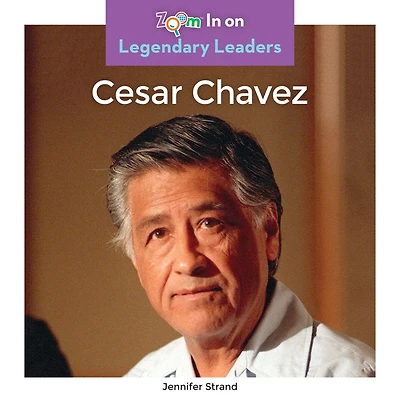
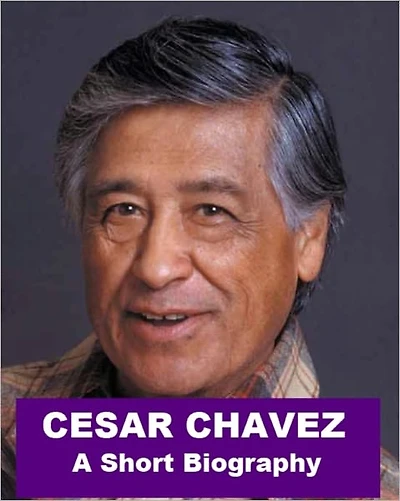









Find at Mall of America® in Bloomington, MN
Visit at Mall of America® in Bloomington, MN