


Home
The Origins of Overthrow: How Emotional Frustration Shapes US Regime Change Interventions
Barnes and Noble
Loading Inventory...
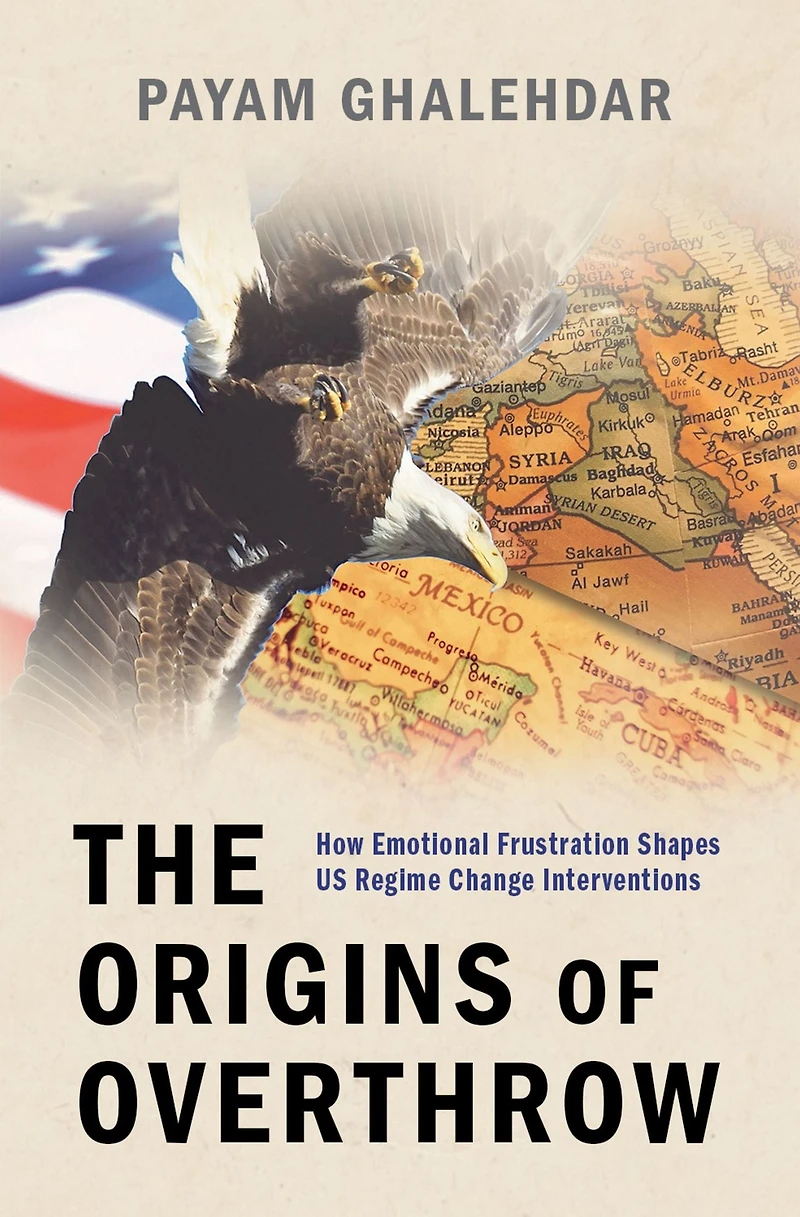

The Origins of Overthrow: How Emotional Frustration Shapes US Regime Change Interventions in Bloomington, MN
By Barnes & Noble
Current price: $83.99

The Origins of Overthrow: How Emotional Frustration Shapes US Regime Change Interventions in Bloomington, MN
Current price: $83.99
Loading Inventory...
Size: EBook
Why has the United States repeatedly engaged in the overthrow of foreign leaders and regimes? Although most regime change interventions have neither furthered US national security nor improved the fate of targeted states, the US has turned to this foreign policy instrument in at least sixteen cases from 1906 to 2011. In The Origins of Overthrow, Payam Ghalehdar explains US-imposed regime change by focusing on its emotional underpinnings. Based on a thorough analysis of the emotional state of five US presidents, he shows how "emotional frustration"-an emotional syndrome that combines hegemonic expectations, perceptions of hatred in target state obstructions, and negative affect-has repeatedly influenced US regime change decisions. When US presidents have been gripped by this emotion, Ghalehdar argues, they have turned to the use of force and targeted perceived sources of obstruction in order to ameliorate their emotional state and discharge frustration. Examining five US regime change episodes in two world regions (Cuba 1906, Nicaragua 1909-12, and the Dominican Republic 1963-65 in the Western hemisphere, and Iran 1979-80, and Iraq 2001-03 in the Middle East), he empirically illustrates the emotional sources of US intervention decisions.A novel explanation for a puzzling phenomenon in US foreign policy, The Origins of Overthrow sheds light on how emotions play a previously overlooked role in US regime change decisions.
Why has the United States repeatedly engaged in the overthrow of foreign leaders and regimes? Although most regime change interventions have neither furthered US national security nor improved the fate of targeted states, the US has turned to this foreign policy instrument in at least sixteen cases from 1906 to 2011. In The Origins of Overthrow, Payam Ghalehdar explains US-imposed regime change by focusing on its emotional underpinnings. Based on a thorough analysis of the emotional state of five US presidents, he shows how "emotional frustration"-an emotional syndrome that combines hegemonic expectations, perceptions of hatred in target state obstructions, and negative affect-has repeatedly influenced US regime change decisions. When US presidents have been gripped by this emotion, Ghalehdar argues, they have turned to the use of force and targeted perceived sources of obstruction in order to ameliorate their emotional state and discharge frustration. Examining five US regime change episodes in two world regions (Cuba 1906, Nicaragua 1909-12, and the Dominican Republic 1963-65 in the Western hemisphere, and Iran 1979-80, and Iraq 2001-03 in the Middle East), he empirically illustrates the emotional sources of US intervention decisions.A novel explanation for a puzzling phenomenon in US foreign policy, The Origins of Overthrow sheds light on how emotions play a previously overlooked role in US regime change decisions.
Shop Similar Products











Find at Mall of America® in Bloomington, MN
Visit at Mall of America® in Bloomington, MN