


Home
The Non-Coherence Theory of Digital Human Rights
Barnes and Noble
Loading Inventory...

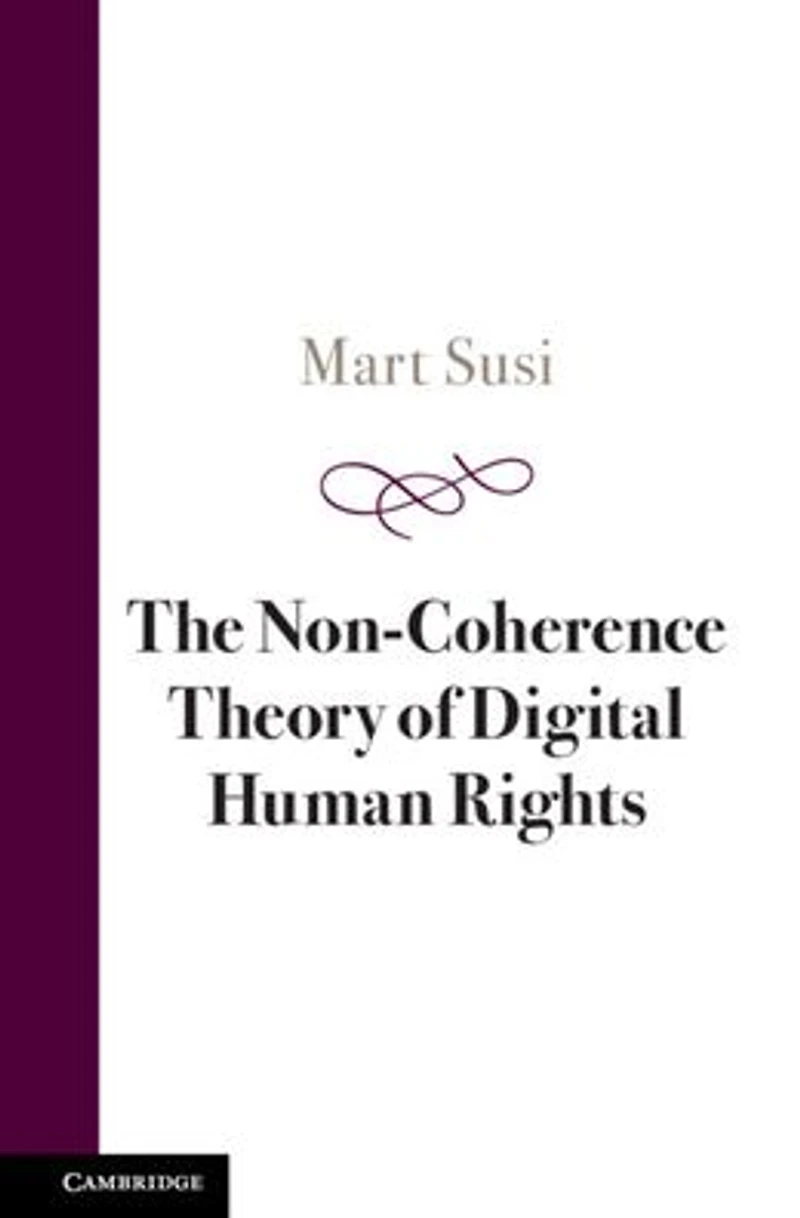
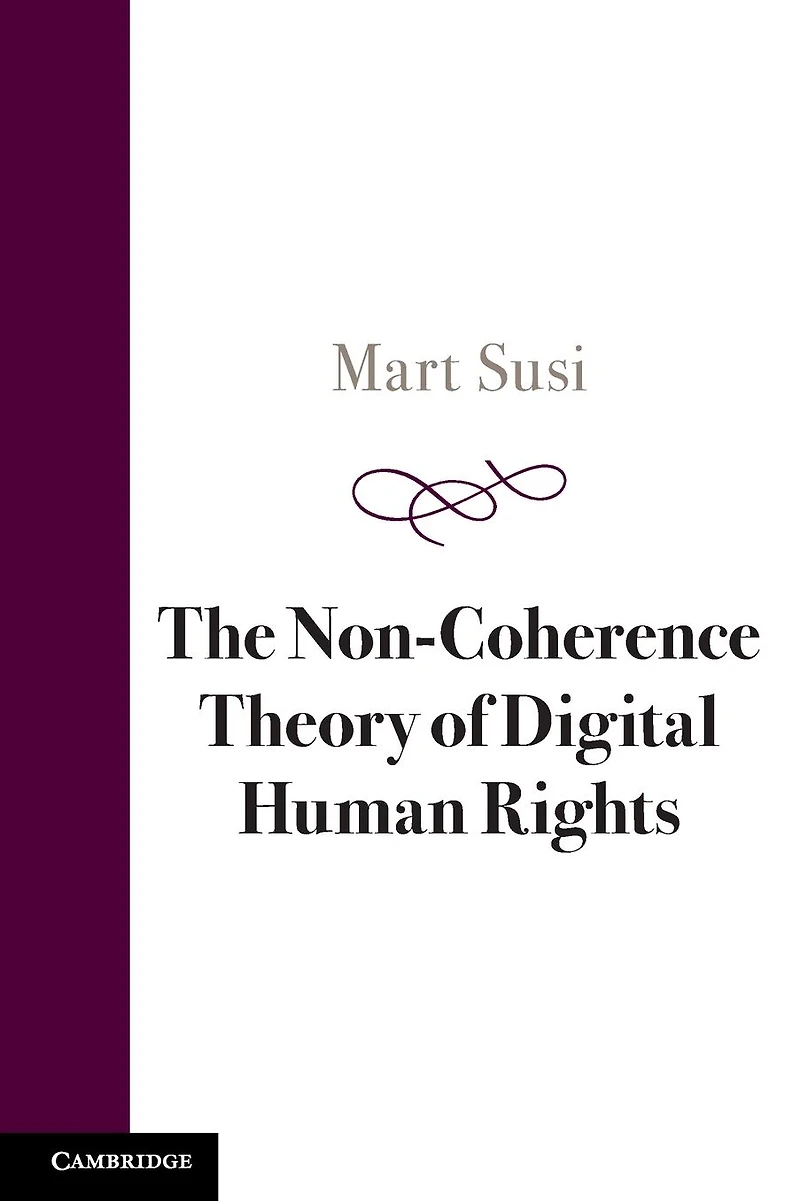
The Non-Coherence Theory of Digital Human Rights in Bloomington, MN
By Barnes & Noble
Current price: $39.99

The Non-Coherence Theory of Digital Human Rights in Bloomington, MN
Current price: $39.99
Loading Inventory...
Size: EBook
Susi offers a novel non-coherence theory of digital human rights to explain the change in meaning and scope of human rights rules, principles, ideas and concepts, and the interrelationships and related actors, when moving from the physical domain into the online domain. The transposition into the digital reality can alter the meaning of well-established offline human rights to a wider or narrower extent, impacting core concepts such as transparency, legal certainty and foreseeability. Susi analyses the 'loss in transposition' of some core features of the rights to privacy and freedom of expression. The non-coherence theory is used to explore key human rights theoretical concepts, such as the network society approach, the capabilities approach, transversality, and self-normativity, and it is also applied to e-state and artificial intelligence, challenging the idea of the sameness of rights. This title is part of the Flip it Open programme and may also be available Open Access. Check our website Cambridge Core for details.
Susi offers a novel non-coherence theory of digital human rights to explain the change in meaning and scope of human rights rules, principles, ideas and concepts, and the interrelationships and related actors, when moving from the physical domain into the online domain. The transposition into the digital reality can alter the meaning of well-established offline human rights to a wider or narrower extent, impacting core concepts such as transparency, legal certainty and foreseeability. Susi analyses the 'loss in transposition' of some core features of the rights to privacy and freedom of expression. The non-coherence theory is used to explore key human rights theoretical concepts, such as the network society approach, the capabilities approach, transversality, and self-normativity, and it is also applied to e-state and artificial intelligence, challenging the idea of the sameness of rights. This title is part of the Flip it Open programme and may also be available Open Access. Check our website Cambridge Core for details.
Shop Similar Products
















Find at Mall of America® in Bloomington, MN
Visit at Mall of America® in Bloomington, MN