


Home
The New Economics Of Less Developed Countries: Changing Perceptions Northsouth Dialogue
Barnes and Noble
Loading Inventory...
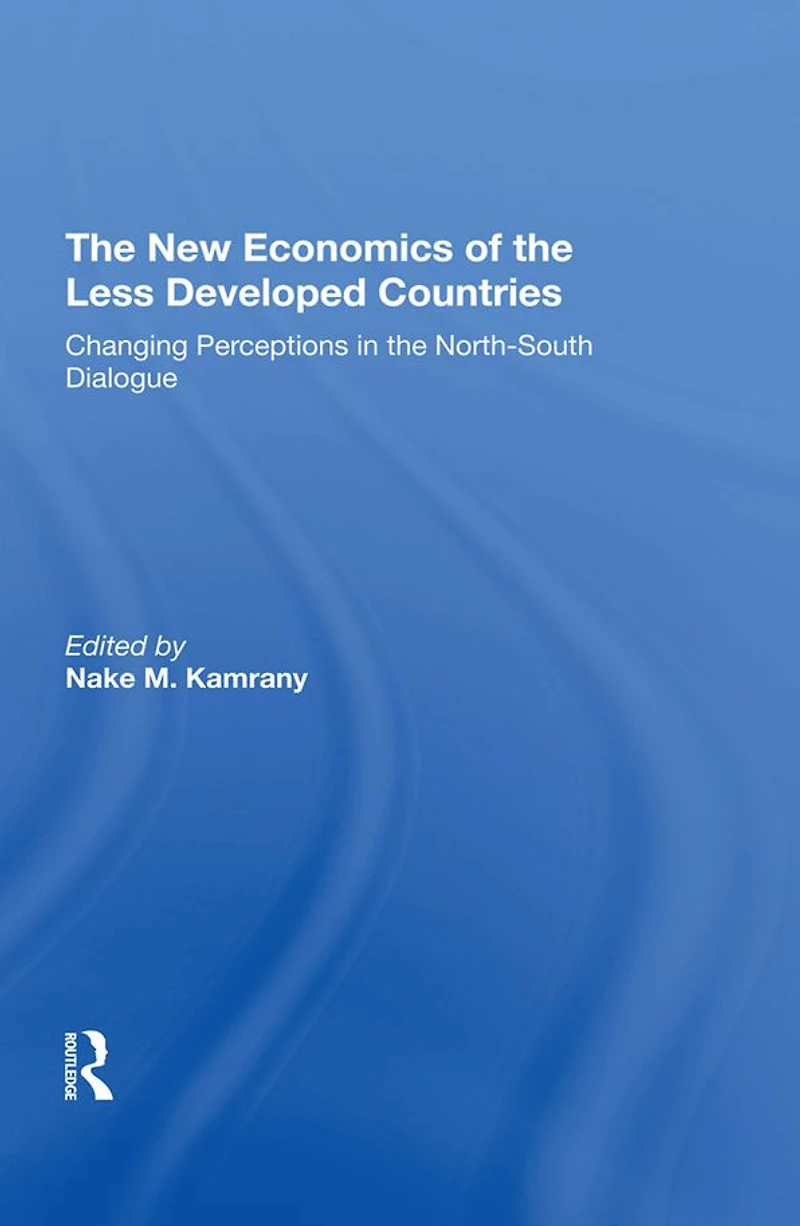
The New Economics Of Less Developed Countries: Changing Perceptions Northsouth Dialogue in Bloomington, MN
By Barnes & Noble
Current price: $59.99

The New Economics Of Less Developed Countries: Changing Perceptions Northsouth Dialogue in Bloomington, MN
Current price: $59.99
Loading Inventory...
Size: EBook
After a quarter-century of experimentation with economic development in the poorer countries, the disarray, and in some cases the calamitous results, are so obvious that a fresh look at and reexamination of traditional assumptions, methodologies, theories, and policies is needed. The contributors to this volume explore—with supporting theoretical frameworks and emipirical evidence—the new perceptions concerning the development of the poor countries, providing clear and sophisticated treatments of North-South bargaining, commodity power, indexation, the theory of power and the international distribution of rights and resources, and the effectiveness of international organizations as vehicles for conflict resolution. The authors discuss the position and prospects of the non-oil-producing, less developed countries, focusing on measurements of the quality of life in these countries, growth and income distribution policies, and the effectiveness of public expenditures to enhance social welfare.
After a quarter-century of experimentation with economic development in the poorer countries, the disarray, and in some cases the calamitous results, are so obvious that a fresh look at and reexamination of traditional assumptions, methodologies, theories, and policies is needed. The contributors to this volume explore—with supporting theoretical frameworks and emipirical evidence—the new perceptions concerning the development of the poor countries, providing clear and sophisticated treatments of North-South bargaining, commodity power, indexation, the theory of power and the international distribution of rights and resources, and the effectiveness of international organizations as vehicles for conflict resolution. The authors discuss the position and prospects of the non-oil-producing, less developed countries, focusing on measurements of the quality of life in these countries, growth and income distribution policies, and the effectiveness of public expenditures to enhance social welfare.
Shop Similar Products







Find at Mall of America® in Bloomington, MN
Visit at Mall of America® in Bloomington, MN