


Home
The Merchant of Havana: The Jew in the Cuban Abolitionist Archive
Barnes and Noble
Loading Inventory...
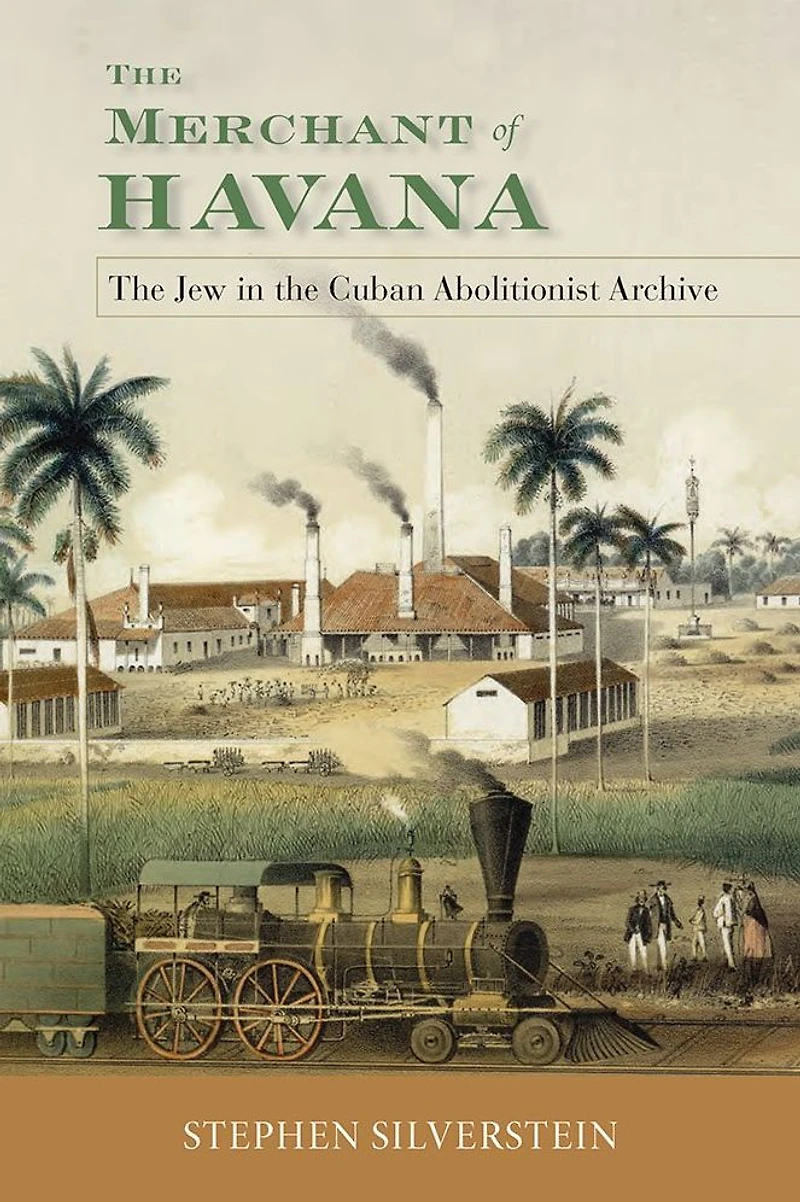
The Merchant of Havana: The Jew in the Cuban Abolitionist Archive in Bloomington, MN
By Barnes & Noble
Current price: $19.99

The Merchant of Havana: The Jew in the Cuban Abolitionist Archive in Bloomington, MN
Current price: $19.99
Loading Inventory...
Size: EBook
LAJSA Book Award Winner, 2017, Latin American Jewish Studies Association As Cuba industrialized in the nineteenth century, an epochal realignment of the social order occurred. In this period of change, two seemingly disparate, yet nevertheless intertwined, ideological forces appeared: anti-Semitism and abolitionism. As the antislavery movement became organized in Cuba, the argument grew that Jews participated in the African slave trade and in New World slavery, and that this participation gave Jews extraordinary influence in the new Cuban economy and culture. What was remarkable about this anti-Semitism was the decidedly small Jewish population on the island in this era. This form of anti-Semitism, Silverstein reveals, sprang almost exclusively from mythological beliefs.
LAJSA Book Award Winner, 2017, Latin American Jewish Studies Association As Cuba industrialized in the nineteenth century, an epochal realignment of the social order occurred. In this period of change, two seemingly disparate, yet nevertheless intertwined, ideological forces appeared: anti-Semitism and abolitionism. As the antislavery movement became organized in Cuba, the argument grew that Jews participated in the African slave trade and in New World slavery, and that this participation gave Jews extraordinary influence in the new Cuban economy and culture. What was remarkable about this anti-Semitism was the decidedly small Jewish population on the island in this era. This form of anti-Semitism, Silverstein reveals, sprang almost exclusively from mythological beliefs.
Shop Similar Products
















Find at Mall of America® in Bloomington, MN
Visit at Mall of America® in Bloomington, MN