


Home
the Low-Carbon Contradiction: Energy Transition, Geopolitics, and Infrastructural State Cuba
Barnes and Noble
Loading Inventory...
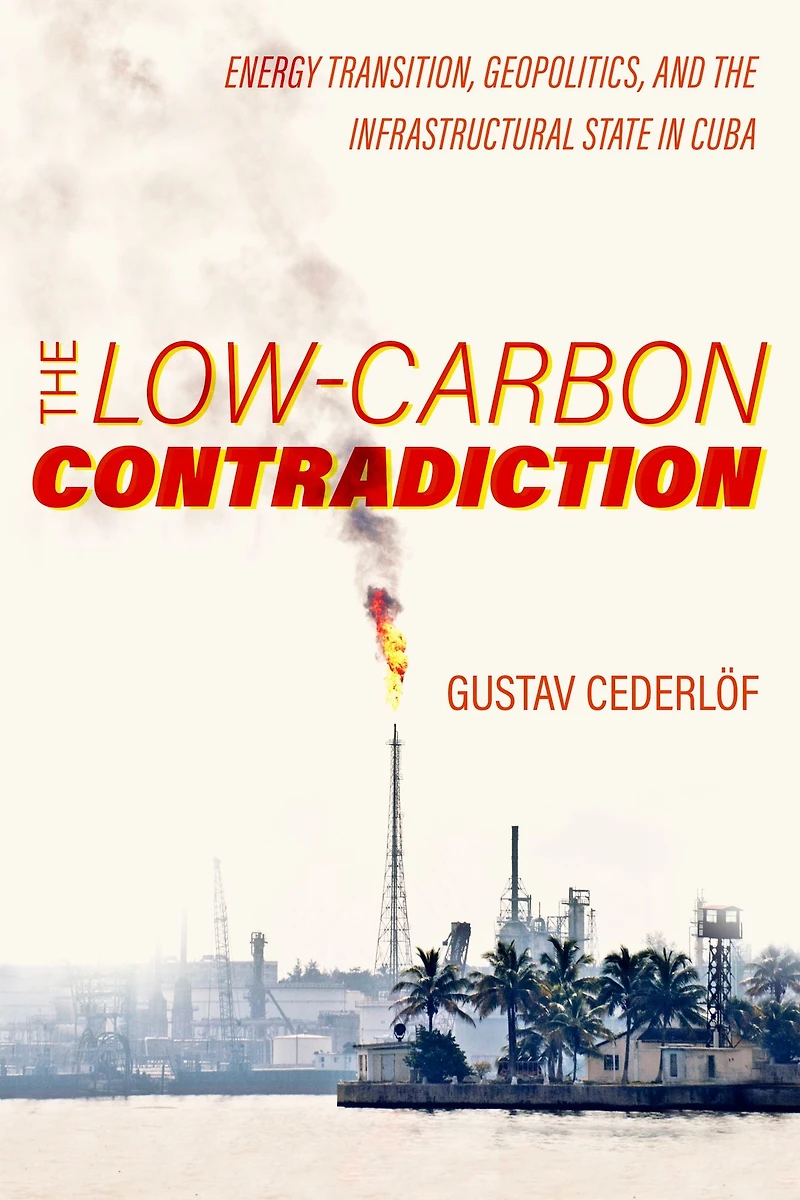
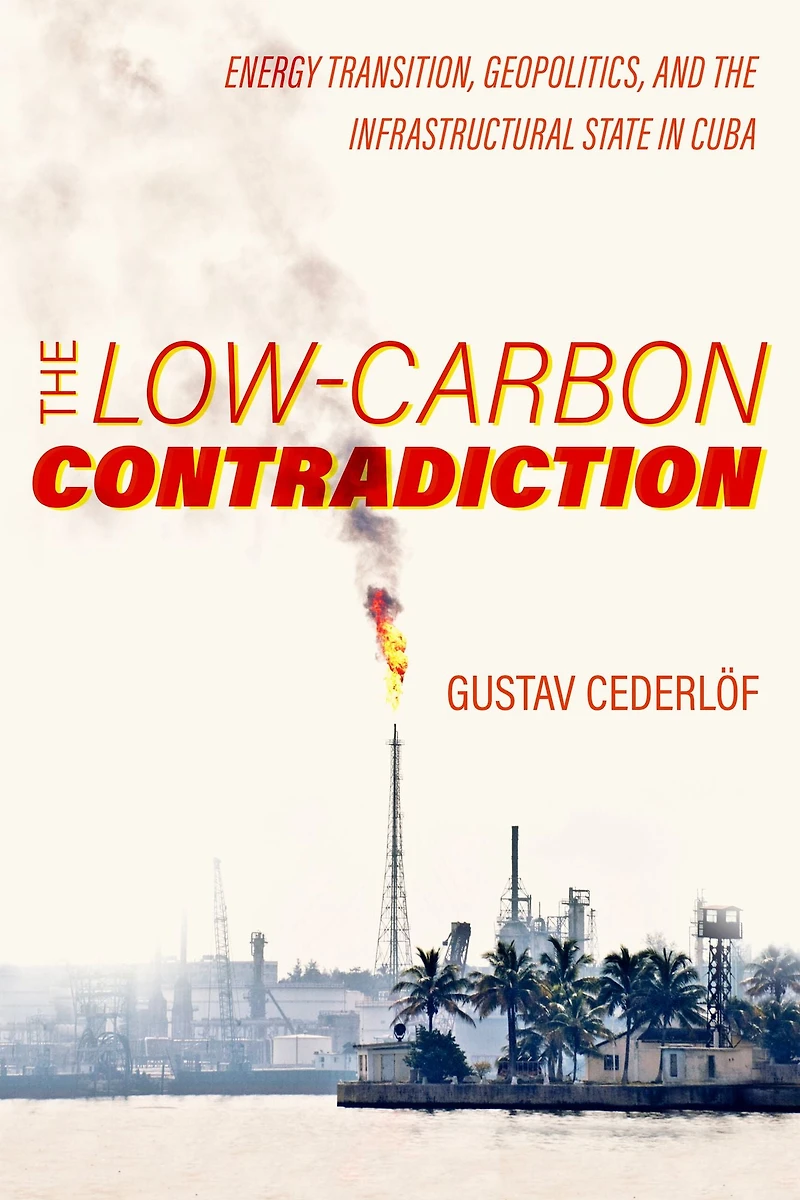
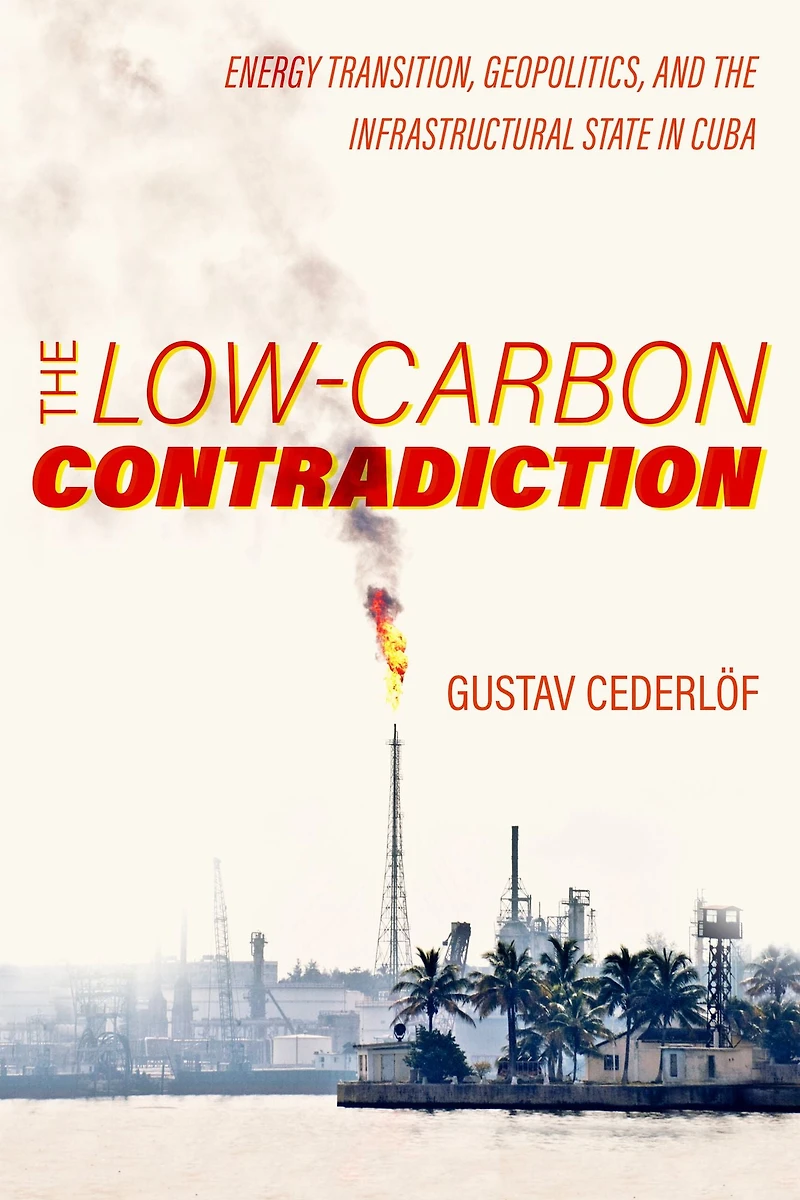
the Low-Carbon Contradiction: Energy Transition, Geopolitics, and Infrastructural State Cuba in Bloomington, MN
By Barnes & Noble
Current price: $29.95

the Low-Carbon Contradiction: Energy Transition, Geopolitics, and Infrastructural State Cuba in Bloomington, MN
Current price: $29.95
Loading Inventory...
Size: EBook
In the pursuit of socialism, Cuba became Latin America’s most oil-dependent economy. When the Soviet Union collapsed, the country lost 86 percent of its crude oil supplies, resulting in a severe energy crisis. In the face of this shock, Cuba started to develop a low-carbon economy based on economic and social reform rather than high-tech innovation. The Low-Carbon Contradiction examines this period of rapid low-carbon energy transition, which many have described as a “Cuban miracle” or even a real-life case of successful “degrowth.” Working with original research from inside households, workplaces, universities, and government offices, Gustav Cederlöf retells the history of the Cuban Revolution as one of profound environmental and infrastructural change. In doing so, he opens up new questions about energy transitions, their politics, and the conditions of a socially just low-carbon future. The Cuban experience shows how a society can transform itself while rapidly cutting carbon emissions in the search for sustainability.
In the pursuit of socialism, Cuba became Latin America’s most oil-dependent economy. When the Soviet Union collapsed, the country lost 86 percent of its crude oil supplies, resulting in a severe energy crisis. In the face of this shock, Cuba started to develop a low-carbon economy based on economic and social reform rather than high-tech innovation. The Low-Carbon Contradiction examines this period of rapid low-carbon energy transition, which many have described as a “Cuban miracle” or even a real-life case of successful “degrowth.” Working with original research from inside households, workplaces, universities, and government offices, Gustav Cederlöf retells the history of the Cuban Revolution as one of profound environmental and infrastructural change. In doing so, he opens up new questions about energy transitions, their politics, and the conditions of a socially just low-carbon future. The Cuban experience shows how a society can transform itself while rapidly cutting carbon emissions in the search for sustainability.
Shop Similar Products







Find at Mall of America® in Bloomington, MN
Visit at Mall of America® in Bloomington, MN