


Home
The Little Red Cliff: 1946-1963
Barnes and Noble
Loading Inventory...
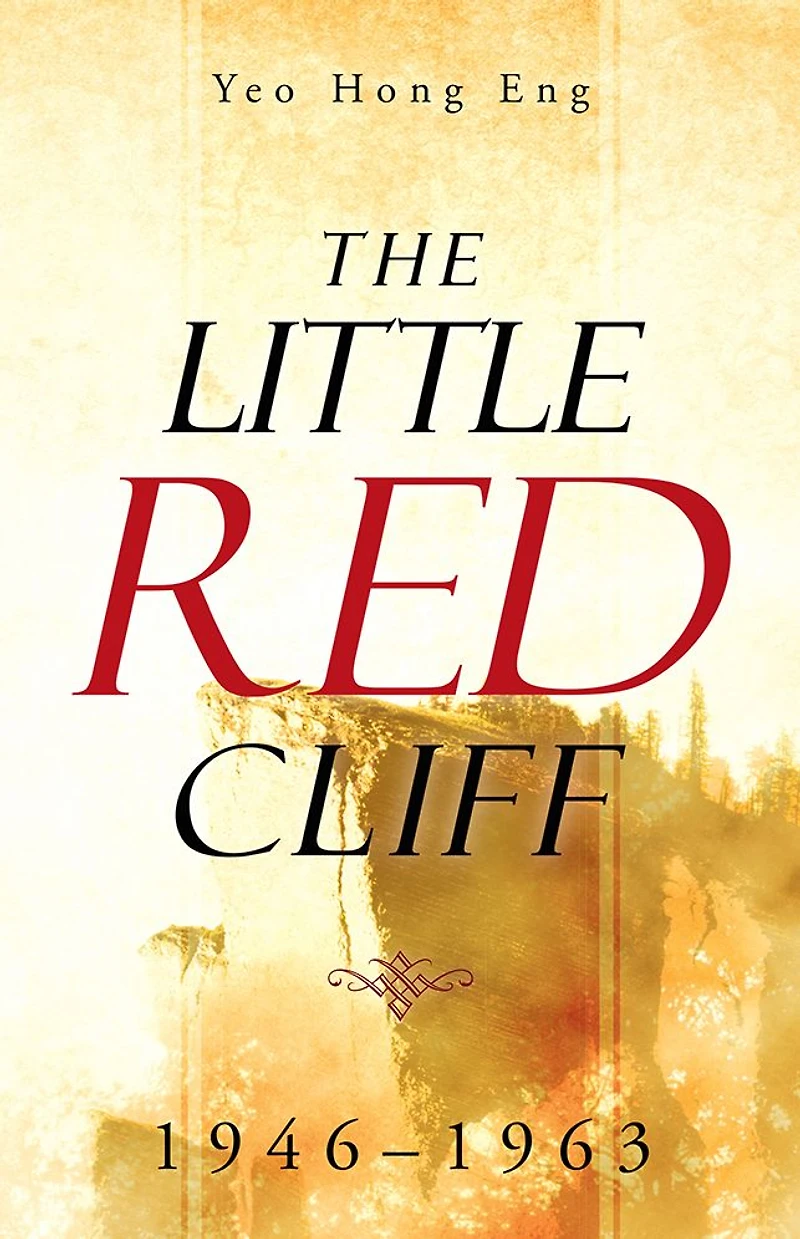
The Little Red Cliff: 1946-1963 in Bloomington, MN
By Barnes & Noble
Current price: $3.99

The Little Red Cliff: 1946-1963 in Bloomington, MN
Current price: $3.99
Loading Inventory...
Size: EBook
The Little Red Cliff portrays life in the 1950s and 1960s in Tanah Merah Kechil (Little Red Cliff) in a corner of Bedok District along the eastern coast of Singapore. Author Yeo Hong Eng chronicles the story of his family, the Yeo family, as they struggled to make a living during the lean years after the Japanese Occupation. He describes in detail how his parents developed the land for farming and exploited other available resources, such as sand mining during rainy seasons, until they were forced to leave the land in 1963. He also explains how they processed coconuts into cooking oil and bamboo into food, materials for building trellises, farming accessories, and basic toys. Whether they were working in animal husbandry or in vegetable cultivation, his grandmother and parents used the age-old methods passed down from their parents and grandparents to work with the land and their animals. Whats more, they made sure to take time from their work to celebrate important festivals, entertainment, and the joys and sorrows of everyday life. They attended wayangs (street plays), flew kites, and made their own playthingsshuttles, spinners, sling shots, and musical instrumentswith whatever raw materials they had on hand. In The Little Red Cliff, Yeo Hong Eng shares a description of family life in Singapore in the mid-twentieth centuryits lows and highs, its struggles and joys.
The Little Red Cliff portrays life in the 1950s and 1960s in Tanah Merah Kechil (Little Red Cliff) in a corner of Bedok District along the eastern coast of Singapore. Author Yeo Hong Eng chronicles the story of his family, the Yeo family, as they struggled to make a living during the lean years after the Japanese Occupation. He describes in detail how his parents developed the land for farming and exploited other available resources, such as sand mining during rainy seasons, until they were forced to leave the land in 1963. He also explains how they processed coconuts into cooking oil and bamboo into food, materials for building trellises, farming accessories, and basic toys. Whether they were working in animal husbandry or in vegetable cultivation, his grandmother and parents used the age-old methods passed down from their parents and grandparents to work with the land and their animals. Whats more, they made sure to take time from their work to celebrate important festivals, entertainment, and the joys and sorrows of everyday life. They attended wayangs (street plays), flew kites, and made their own playthingsshuttles, spinners, sling shots, and musical instrumentswith whatever raw materials they had on hand. In The Little Red Cliff, Yeo Hong Eng shares a description of family life in Singapore in the mid-twentieth centuryits lows and highs, its struggles and joys.
Shop Similar Products










Find at Mall of America® in Bloomington, MN
Visit at Mall of America® in Bloomington, MN