


Home
The Limits of Liberty: Mobility and the Making of the Eastern U.S.-Mexico Border
Barnes and Noble
Loading Inventory...
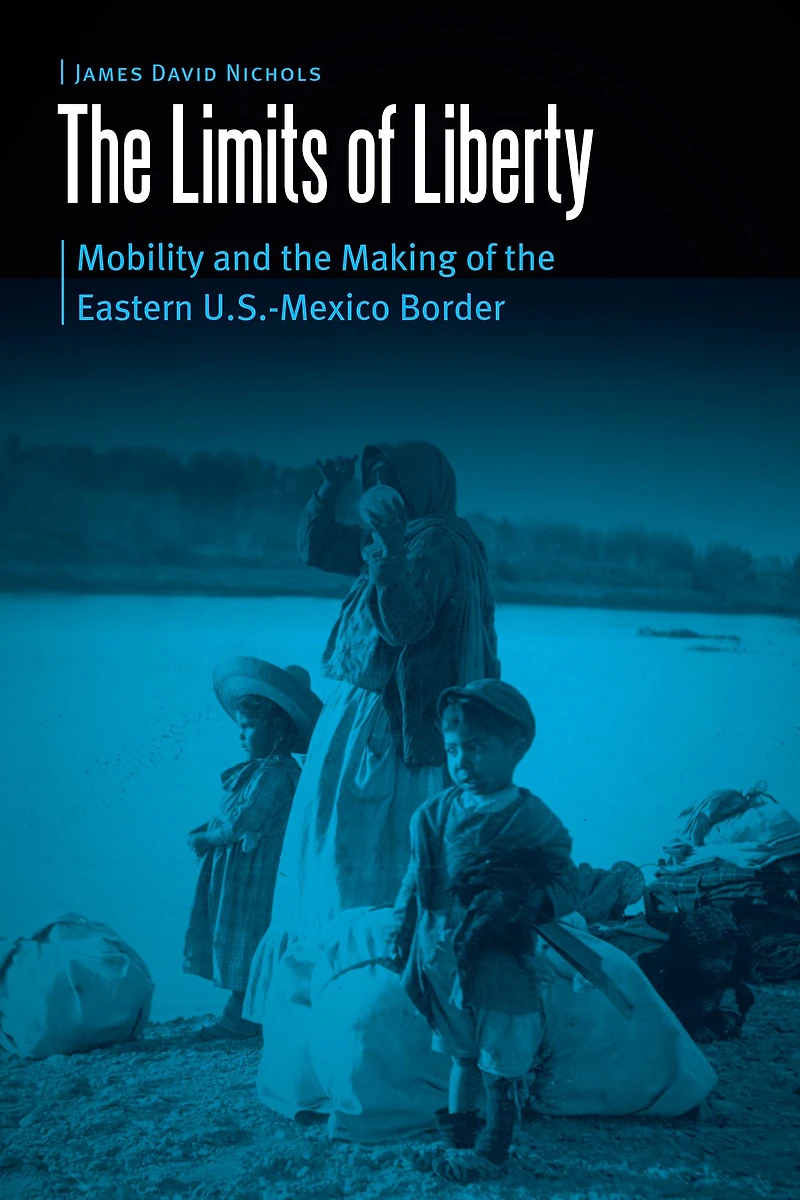
The Limits of Liberty: Mobility and the Making of the Eastern U.S.-Mexico Border in Bloomington, MN
By Barnes & Noble
Current price: $60.00

The Limits of Liberty: Mobility and the Making of the Eastern U.S.-Mexico Border in Bloomington, MN
Current price: $60.00
Loading Inventory...
Size: EBook
The Limits of Liberty chronicles the formation of the U.S.-Mexico border from the perspective of the “mobile peoples” who assisted in determining the international boundary from both sides in the mid-nineteenth century. In this historic and timely study, James David Nichols argues against the many top-down connotations that borders carry, noting that the state cannot entirely dominate the process of boundary marking. Even though there were many efforts on the part of the United States and Mexico to define the new international border as a limit, mobile peoples continued to transgress the border and cross it with impunity. Transborder migrants reimagined the dividing line as a gateway to opportunity rather than as a fence limiting their movement. Runaway slaves, Mexican debt peones, and seminomadic Native Americans saw liberty on the other side of the line and crossed in search of greater opportunity. In doing so they devised their own border epistemology that clashed with official understandings of the boundary. These divergent understandings resulted in violence with the crossing of vigilantes, soldiers, and militias in search of fugitives and runaways.The Limits of Liberty explores how the border attracted migrants from both sides and considers border-crossers together, whereas most treatments thus far have considered discrete social groups along the border. Mining Mexican archival sources, Nichols is one of the first scholars to explore the nuance of negotiation that took place between the state and mobile peoples in the formation of borders.
The Limits of Liberty chronicles the formation of the U.S.-Mexico border from the perspective of the “mobile peoples” who assisted in determining the international boundary from both sides in the mid-nineteenth century. In this historic and timely study, James David Nichols argues against the many top-down connotations that borders carry, noting that the state cannot entirely dominate the process of boundary marking. Even though there were many efforts on the part of the United States and Mexico to define the new international border as a limit, mobile peoples continued to transgress the border and cross it with impunity. Transborder migrants reimagined the dividing line as a gateway to opportunity rather than as a fence limiting their movement. Runaway slaves, Mexican debt peones, and seminomadic Native Americans saw liberty on the other side of the line and crossed in search of greater opportunity. In doing so they devised their own border epistemology that clashed with official understandings of the boundary. These divergent understandings resulted in violence with the crossing of vigilantes, soldiers, and militias in search of fugitives and runaways.The Limits of Liberty explores how the border attracted migrants from both sides and considers border-crossers together, whereas most treatments thus far have considered discrete social groups along the border. Mining Mexican archival sources, Nichols is one of the first scholars to explore the nuance of negotiation that took place between the state and mobile peoples in the formation of borders.
Shop Similar Products











Find at Mall of America® in Bloomington, MN
Visit at Mall of America® in Bloomington, MN