


Home
The Indians Were Prosperous: Documents of Salish, Pend d'Oreille, and Kootenai Indian History, 1900-1906
Barnes and Noble
Loading Inventory...
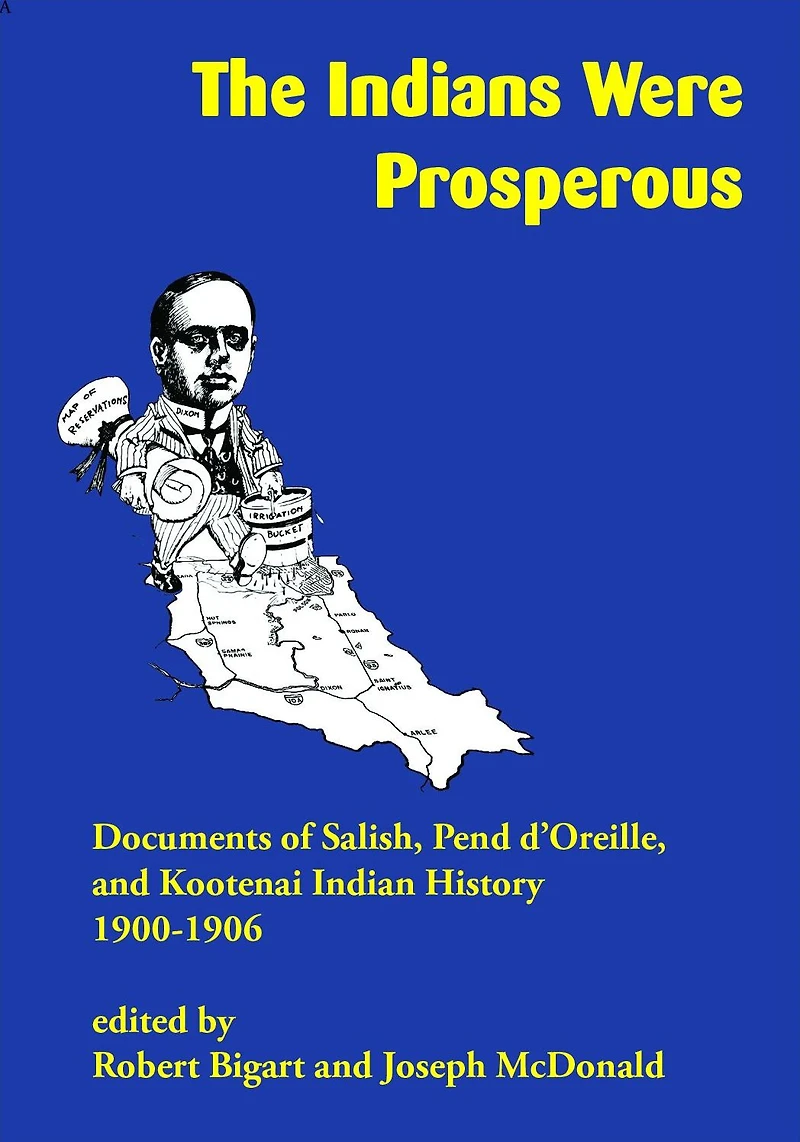
The Indians Were Prosperous: Documents of Salish, Pend d'Oreille, and Kootenai Indian History, 1900-1906 in Bloomington, MN
By Barnes & Noble
Current price: $29.95

The Indians Were Prosperous: Documents of Salish, Pend d'Oreille, and Kootenai Indian History, 1900-1906 in Bloomington, MN
Current price: $29.95
Loading Inventory...
Size: Paperback
By the beginning of the nineteenth century the crescendo of economic change on the Flathead Reservation was reaching a climax. Income was not distributed equally on the reservation even though by 1905 the Indians were basically self-supporting and most of the poorer tribal members had enough to get by. But the surrounding white community cast covetous eyes on tribal assets--especially the land. In 1903, Congressman Joseph Dixon led an assault on the tribes to force the sale of reservation land to white homesteaders at far below its real value. Tribal leaders realized they were being robbed and protested vigorously--to no avail. With the loss of their assets in land, the tribes' future income declined, leaving them poorer than white rural Montanans. As part of the allotment policy, tribal members wrestled with a formal enrollment to determine who had rights on the reservation. White businessmen also moved to claim possession of the dam site at the foot of Flathead Lake. While the tribes were fighting against the coerced allotment, they fought the State of Montana over taxes and hunting rights. In the background alcohol and crime impacted some tribal members.
By the beginning of the nineteenth century the crescendo of economic change on the Flathead Reservation was reaching a climax. Income was not distributed equally on the reservation even though by 1905 the Indians were basically self-supporting and most of the poorer tribal members had enough to get by. But the surrounding white community cast covetous eyes on tribal assets--especially the land. In 1903, Congressman Joseph Dixon led an assault on the tribes to force the sale of reservation land to white homesteaders at far below its real value. Tribal leaders realized they were being robbed and protested vigorously--to no avail. With the loss of their assets in land, the tribes' future income declined, leaving them poorer than white rural Montanans. As part of the allotment policy, tribal members wrestled with a formal enrollment to determine who had rights on the reservation. White businessmen also moved to claim possession of the dam site at the foot of Flathead Lake. While the tribes were fighting against the coerced allotment, they fought the State of Montana over taxes and hunting rights. In the background alcohol and crime impacted some tribal members.
Shop Similar Products















Find at Mall of America® in Bloomington, MN
Visit at Mall of America® in Bloomington, MN