


Home
The High Speed Frontier: Case Histories of Four NACA Programs, 1920-1950
Barnes and Noble
Loading Inventory...
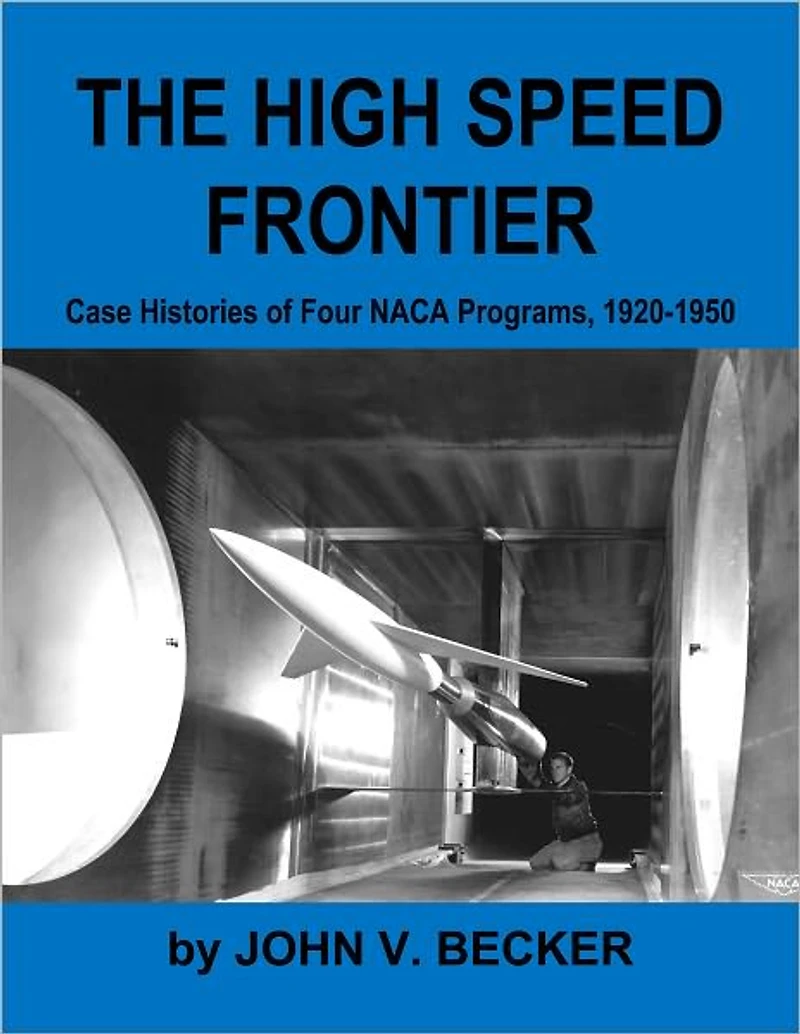
The High Speed Frontier: Case Histories of Four NACA Programs, 1920-1950 in Bloomington, MN
By Barnes & Noble
Current price: $2.99

The High Speed Frontier: Case Histories of Four NACA Programs, 1920-1950 in Bloomington, MN
Current price: $2.99
Loading Inventory...
Size: EBook
It is refreshing as well as unusual to find such an account as this of past technical programs that were so important to aeronautical progress. The author deals not only with the research in which he was intimately involved but also with the personalities of the participants and the doubts, false starts, and misconceptions that occurred before the final solutions were achieved. In my view, the flavor imparted to these case histories by the very personal impressions of the impact of certain of the key players is a necessary ingredient in getting to the bottom line of how and why things worked the way they did in the prime years of the National Advisory Committee for Aeronautics (NACA). Each of the four programs described grew from small beginnings in the third and fourth decades of this century to become substantial elements of the NACA contribution to the achievement of high-subsonic and transonic flight. All of the programs had been essentially completed by the time of the termination of NACA in 1958 and the transition to NASA. Hyperlinked contents for easy navigation. Over 40 illustrations and photographs.Contents include:ForewordCHAPTER I - IntroductionChapter 2: The High-Speed Airfoil ProgramBACKGROUND AND ORIGINS (1745-1927)COMMENTARYChapter 2: The High-Speed Airfoil ProgramTHE QUEST FOR UNDERSTANDING (1928-1935)COMMENTARYINCREASING THE CRITICAL SPEED (1936-1944)COMMENTARYSUPERCRITICAL AND TRANSONIC AERODYNAMICS (1945-1956)COMMENTARY"SUPERCRITICAL" AIRFOILS (1957-1978)COMMENTARYChapter 3 - Transonic Wind Tunnel Development (1940 -1950)THE CHOKING PROBLEMTHE REPOWERED 8-FOOT HIGH-SPEED TUNNEL; SMALL MODEL TECHNIQUESTRANSONIC AIRFOIL FACILITIESTHE ANNULAR TRANSONIC TUNNELCOMMENTARYWING-FLOW AND BUMP METHODSTHE BODY-DROP AND ROCKET-MODEL TECHNIQUESHIGH-SPEED RESEARCH AIRPLANESCOMMENTARYTHE SLOTTED TRANSONIC TUNNELCOMMENTARYCOMMENT ON MANAGEMENT METHODSChapter 4 - The High-Speed Propeller ProgramTHE EMERGENCY PROPELLER PROGRAMFULL-SCALE PROPELLERS IN THE 16-FOOT HIGH-SPEED TUNNELPROPELLER BLADE PRESSURE DISTRIBUTIONS AT HIGH SPEEDSONE-BLADE PROPELLER TESTSSWEPTBACK PROPELLERSTRANSONIC AND SUPERSONIC PROPELLERSHIGH-SPEED FLIGHT TESTS OF PROPELLERSCOMMENTARYChapter 5 - High-speed Cowlings, Air Inlets and Outlets, and Internal-Flow SystemsHIGH-SPEED COWLINGSHIGH-SPEED INLETS AND OUTLETSCOMMENTARYINTERNAL FLOW SYSTEMS-EFFECTS OF HEAT AND COMPRESSABILITYTHE RAMJET INVESTIGATIONCOMMENTARYAcknowledgmentsReferencesTransonic Aerodynamic Test Facilities (M>0.9), 1923-1950
It is refreshing as well as unusual to find such an account as this of past technical programs that were so important to aeronautical progress. The author deals not only with the research in which he was intimately involved but also with the personalities of the participants and the doubts, false starts, and misconceptions that occurred before the final solutions were achieved. In my view, the flavor imparted to these case histories by the very personal impressions of the impact of certain of the key players is a necessary ingredient in getting to the bottom line of how and why things worked the way they did in the prime years of the National Advisory Committee for Aeronautics (NACA). Each of the four programs described grew from small beginnings in the third and fourth decades of this century to become substantial elements of the NACA contribution to the achievement of high-subsonic and transonic flight. All of the programs had been essentially completed by the time of the termination of NACA in 1958 and the transition to NASA. Hyperlinked contents for easy navigation. Over 40 illustrations and photographs.Contents include:ForewordCHAPTER I - IntroductionChapter 2: The High-Speed Airfoil ProgramBACKGROUND AND ORIGINS (1745-1927)COMMENTARYChapter 2: The High-Speed Airfoil ProgramTHE QUEST FOR UNDERSTANDING (1928-1935)COMMENTARYINCREASING THE CRITICAL SPEED (1936-1944)COMMENTARYSUPERCRITICAL AND TRANSONIC AERODYNAMICS (1945-1956)COMMENTARY"SUPERCRITICAL" AIRFOILS (1957-1978)COMMENTARYChapter 3 - Transonic Wind Tunnel Development (1940 -1950)THE CHOKING PROBLEMTHE REPOWERED 8-FOOT HIGH-SPEED TUNNEL; SMALL MODEL TECHNIQUESTRANSONIC AIRFOIL FACILITIESTHE ANNULAR TRANSONIC TUNNELCOMMENTARYWING-FLOW AND BUMP METHODSTHE BODY-DROP AND ROCKET-MODEL TECHNIQUESHIGH-SPEED RESEARCH AIRPLANESCOMMENTARYTHE SLOTTED TRANSONIC TUNNELCOMMENTARYCOMMENT ON MANAGEMENT METHODSChapter 4 - The High-Speed Propeller ProgramTHE EMERGENCY PROPELLER PROGRAMFULL-SCALE PROPELLERS IN THE 16-FOOT HIGH-SPEED TUNNELPROPELLER BLADE PRESSURE DISTRIBUTIONS AT HIGH SPEEDSONE-BLADE PROPELLER TESTSSWEPTBACK PROPELLERSTRANSONIC AND SUPERSONIC PROPELLERSHIGH-SPEED FLIGHT TESTS OF PROPELLERSCOMMENTARYChapter 5 - High-speed Cowlings, Air Inlets and Outlets, and Internal-Flow SystemsHIGH-SPEED COWLINGSHIGH-SPEED INLETS AND OUTLETSCOMMENTARYINTERNAL FLOW SYSTEMS-EFFECTS OF HEAT AND COMPRESSABILITYTHE RAMJET INVESTIGATIONCOMMENTARYAcknowledgmentsReferencesTransonic Aerodynamic Test Facilities (M>0.9), 1923-1950
Shop Similar Products















Find at Mall of America® in Bloomington, MN
Visit at Mall of America® in Bloomington, MN