


Home
the Gratifications of Whiteness: W. E. B. Du Bois and Enduring Rewards Anti-Blackness
Barnes and Noble
Loading Inventory...
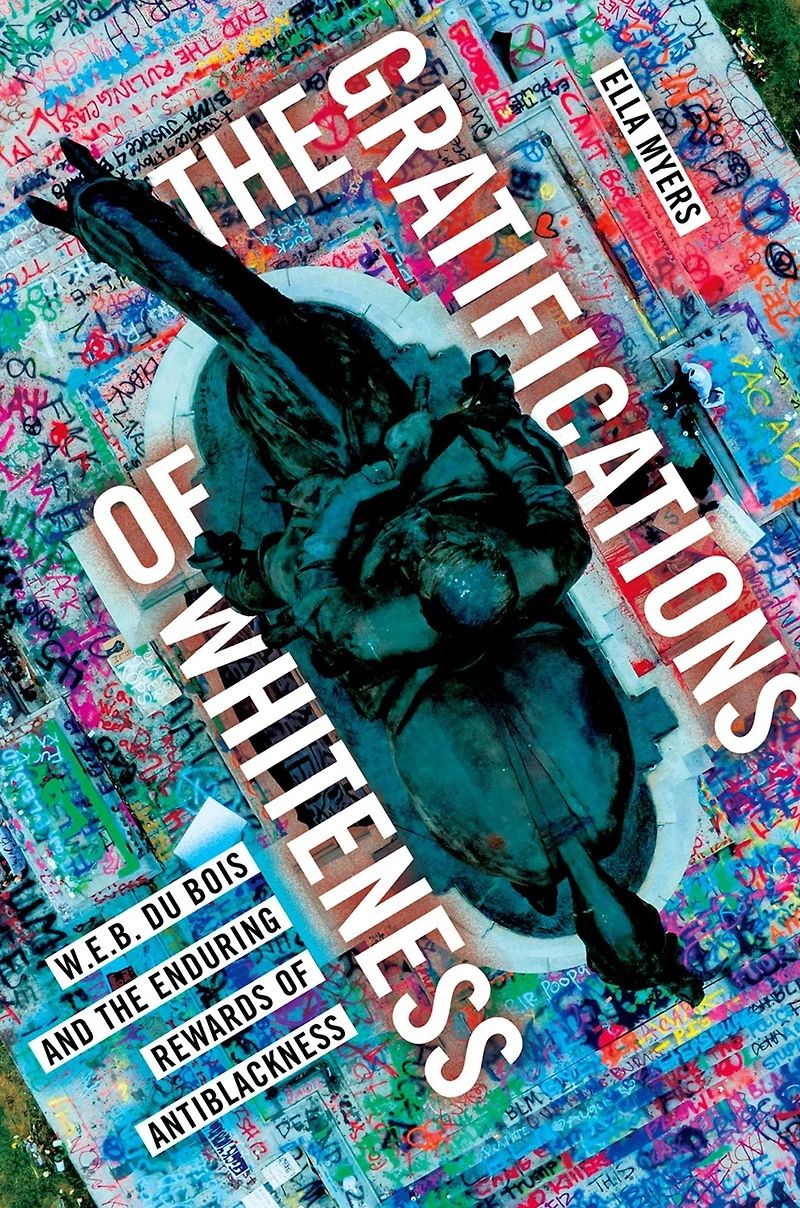
the Gratifications of Whiteness: W. E. B. Du Bois and Enduring Rewards Anti-Blackness in Bloomington, MN
By Barnes & Noble
Current price: $29.99

the Gratifications of Whiteness: W. E. B. Du Bois and Enduring Rewards Anti-Blackness in Bloomington, MN
Current price: $29.99
Loading Inventory...
Size: EBook
The first book-length study of W. E. B. Du Bois's conceptualization of American whiteness. W. E. B. Du Bois famously argued that whiteness in the US in the late nineteenth and early twentieth centuries functioned as a "public and psychological wage," offering valuable social standing to even the poorest of whites. Such "compensation," dependent on the devaluation of Black existence, helped secure the US capitalist regime and prevent interracial class solidarity. This book argues that Du Bois's influential account of compensatory whiteness is crucially important, but also incomplete. For Du Bois, whiteness was never one thing, but many. Focusing on Du Bois's middle-period work (about 1920-1940), Ella Myers uncovers an overlooked, complex analysis that theorizes whiteness as a source of varied gratifications. These gratifications include not only the status rewards of racial capitalism, but also the enjoyment of gratuitous Black suffering and the conviction that the planet belongs to those marked as "white." The book shows that Du Bois's analysis, developed in response to the pressing political problems of his own day, also offers insight into 21st century struggles for racial justice. Myers argues that it is important to recognize the extent to which anti-Blackness continues to underwrite plural -and deeply disturbing-forms of white gratification here and now. Doing so helps explain the tenacity of America's unequal racial order and also reveals why creative, multifaceted strategies of resistance are necessary to end it.
The first book-length study of W. E. B. Du Bois's conceptualization of American whiteness. W. E. B. Du Bois famously argued that whiteness in the US in the late nineteenth and early twentieth centuries functioned as a "public and psychological wage," offering valuable social standing to even the poorest of whites. Such "compensation," dependent on the devaluation of Black existence, helped secure the US capitalist regime and prevent interracial class solidarity. This book argues that Du Bois's influential account of compensatory whiteness is crucially important, but also incomplete. For Du Bois, whiteness was never one thing, but many. Focusing on Du Bois's middle-period work (about 1920-1940), Ella Myers uncovers an overlooked, complex analysis that theorizes whiteness as a source of varied gratifications. These gratifications include not only the status rewards of racial capitalism, but also the enjoyment of gratuitous Black suffering and the conviction that the planet belongs to those marked as "white." The book shows that Du Bois's analysis, developed in response to the pressing political problems of his own day, also offers insight into 21st century struggles for racial justice. Myers argues that it is important to recognize the extent to which anti-Blackness continues to underwrite plural -and deeply disturbing-forms of white gratification here and now. Doing so helps explain the tenacity of America's unequal racial order and also reveals why creative, multifaceted strategies of resistance are necessary to end it.
Shop Similar Products












Find at Mall of America® in Bloomington, MN
Visit at Mall of America® in Bloomington, MN